


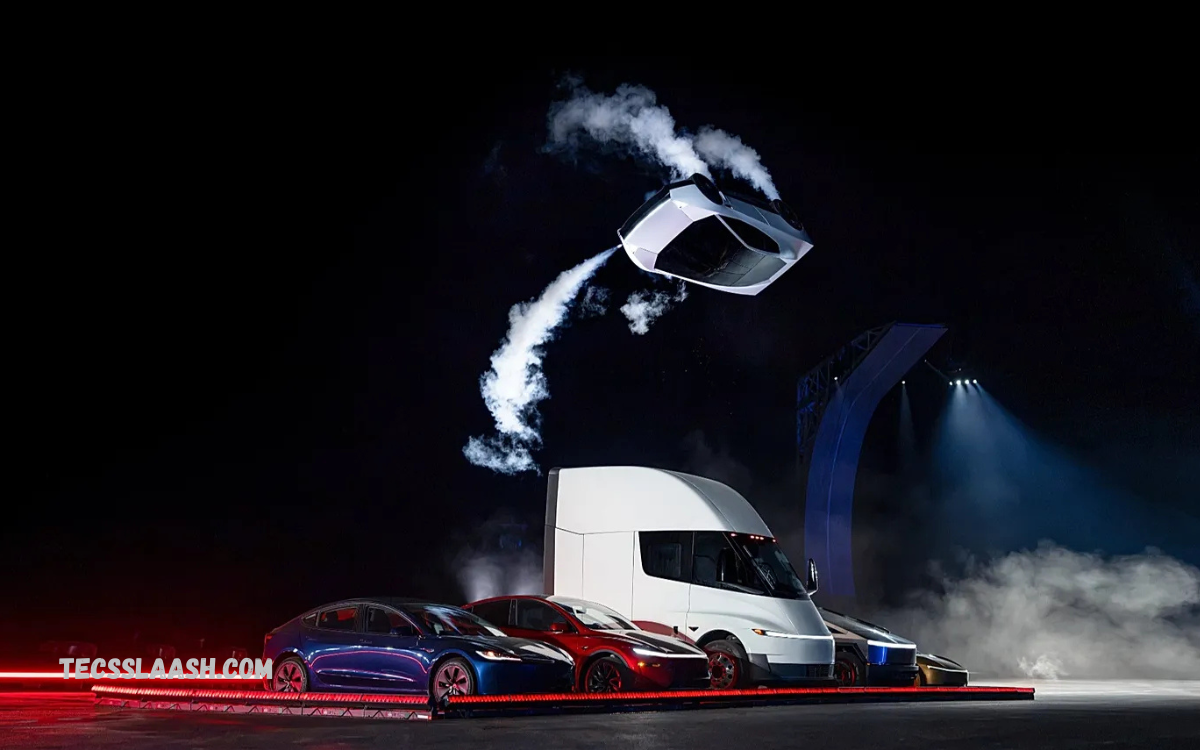
Tesla continues to attract global attention as the electric vehicle industry evolves and competition increases. The company is known for its electric cars, battery technology, charging infrastructure, and ambitious developments in artificial intelligence and autonomous driving. In 2026, Tesla remains an important name for consumers interested in sustainable transportation and emerging automotive technology.
The topic of Tesla latest news 2026 covers several areas, including vehicle development, software improvements, energy solutions, and the company’s long-term business strategy. However, individual announcements, release dates, and availability can vary by country. Understanding these developments helps buyers, technology enthusiasts, and investors evaluate Tesla’s direction and the potential impact of its innovations.
Tesla Electric Vehicle Updates in 2026
Tesla’s electric vehicle lineup remains central to its business. The Model 3 and Model Y appeal to customers seeking modern electric transportation, while the Model S and Model X occupy higher-priced segments. The Cybertruck also represents Tesla’s effort to reach customers interested in electric pickup trucks and distinctive vehicle designs.
In 2026, important areas to watch include vehicle affordability, battery efficiency, driving range, charging speed, interior technology, and manufacturing costs. Improvements in these areas can make electric vehicles more practical for everyday use. Buyers should check the specifications of their preferred model and market because features, prices, and configurations may differ across regions.
Tesla Model Y and Model 3 Developments
The Tesla Model Y is one of the company’s most significant vehicles because it combines an SUV-style body with electric performance and a spacious cabin. Its appeal depends on practical features such as passenger comfort, cargo capacity, driving range, and access to charging facilities. Product updates and pricing adjustments can influence its competitiveness against other electric SUVs.
The Tesla Model 3 remains an important option for drivers who prefer a sedan with modern software and a streamlined design. Potential buyers should compare the available battery versions, estimated range, safety features, warranty coverage, and local service support. Rather than relying on general headlines, customers should review the exact configuration available in their market before making a purchase decision.
Tesla Full Self-Driving Technology
Full Self-Driving, commonly known as FSD, is a major part of Tesla’s software strategy. The system is designed to assist drivers with certain driving tasks, depending on the version, vehicle, and region. Its capabilities can evolve through software updates, making it one of the most closely followed areas of Tesla latest news 2026.
Despite its name, driver-assistance technology should not be confused with unrestricted autonomous driving. Drivers must follow local laws, remain attentive, and be ready to take control whenever required. Availability and regulatory approval also differ across countries. Anyone considering a Tesla should understand the system’s limitations and confirm which features are legally available in their location.
Tesla Robotaxi and Autonomous Driving Plans
Robotaxi services represent Tesla’s ambition to expand beyond traditional vehicle sales. The concept involves using autonomous-driving technology to transport passengers through a dedicated ride-hailing service. If implemented successfully at scale, such a business could create new revenue opportunities and change how some customers access transportation.
However, commercial success depends on more than developing software. Tesla must address safety validation, regulatory requirements, fleet operations, vehicle availability, insurance, and customer confidence. Service coverage and operational capabilities may differ between cities. Readers following Tesla Robotaxi news in 2026 should distinguish between announced plans, limited pilot operations, and services that are actually available to the public.
Tesla Artificial Intelligence and Robotics
Artificial intelligence has become an important part of Tesla’s long-term ambitions. The company applies AI to driver-assistance systems, vehicle perception, decision-making, and other software-related functions. Progress in these areas may influence the company’s products and its position in the broader technology sector.
Tesla is also developing its Optimus humanoid robot concept, which is intended to perform certain repetitive or physically demanding tasks. Potential applications include manufacturing, material handling, and other structured environments. Nevertheless, demonstrations and development milestones do not automatically establish that a robot is ready for widespread commercial use. Practical performance, safety, reliability, and production costs will determine how valuable this technology becomes.
Tesla Battery Technology and Driving Range
Battery technology is essential to the performance and affordability of electric vehicles. Tesla continues to operate in an industry where manufacturers are working to improve energy density, durability, manufacturing efficiency, and charging performance. Battery chemistry, pack design, and thermal management can all influence the driving experience.
For consumers, driving range should be considered alongside real-world conditions. Cold weather, highway speeds, heavy loads, air conditioning, and driving habits can reduce the distance a vehicle travels on a charge. Prospective buyers should compare official range estimates with independent testing where available and consider whether the vehicle’s practical range meets their daily needs.
Tesla Supercharger Network Expansion
Charging infrastructure remains one of Tesla’s most important advantages. The Supercharger network is designed to provide convenient charging for compatible electric vehicles, particularly during longer journeys. Access arrangements for non-Tesla vehicles and compatibility requirements depend on location, connector standards, and charging agreements.
In 2026, charging developments are worth following because the availability of reliable fast charging can influence electric vehicle adoption. Drivers should check charger locations, current operating status, charging prices, payment methods, and connector compatibility before travelling. A well-planned charging route can reduce delays and make long-distance electric driving more convenient.
Read Also: Best Gaming Phones: Top Features, Performance, Battery Life, and Buying Guide
Tesla Energy Storage and Renewable Energy
Tesla’s business extends beyond vehicles into battery storage and energy products. Its energy operations include solutions designed to store electricity for homes, businesses, and larger power systems. These technologies can help manage electricity demand and support the integration of renewable sources such as solar and wind power.
Energy storage is especially important because renewable electricity generation can fluctuate throughout the day. Batteries can store available energy and release it when demand rises or generation falls. Future growth in this sector will depend on manufacturing capacity, project economics, electricity market conditions, and customer demand. Tesla’s energy business therefore deserves attention alongside its automotive developments.
Tesla Production, Sales, and Global Competition
Tesla operates in an increasingly competitive electric vehicle market. Established automakers and newer manufacturers are introducing electric cars across different price categories, giving consumers more choices. Competition increasingly focuses on affordability, battery performance, software, vehicle quality, charging access, and after-sales service.
Production efficiency and sales performance are important indicators of Tesla’s position. Changes in vehicle prices, regional incentives, consumer confidence, and factory output can affect demand and profitability. To understand the company’s performance in 2026, readers should distinguish between confirmed delivery figures, company forecasts, and third-party estimates. Quarterly financial reports and official delivery announcements provide a stronger basis for evaluating business trends.
Tesla Stock and Investor Expectations in 2026
Tesla stock attracts attention because the company combines an established electric vehicle business with ambitious projects involving AI, robotics, autonomous driving, and energy storage. Supporters often focus on the potential for these businesses to expand, while critics examine valuation, competition, profitability, and execution risks.
Investors should avoid treating product announcements as guaranteed financial success. Revenue growth, profit margins, cash flow, capital spending, regulatory developments, and vehicle demand all matter. Tesla shares can also experience significant price fluctuations. Anyone considering an investment should review current financial disclosures, understand the risks, and assess the company’s valuation against realistic expectations rather than relying solely on headlines.
Tesla’s Sustainability and Environmental Impact
Electric vehicles can reduce tailpipe emissions because they do not produce exhaust while driving. Their overall environmental impact, however, depends on factors such as electricity generation, battery manufacturing, vehicle lifespan, and recycling practices. These considerations are important when evaluating Tesla’s contribution to sustainable transportation.
Battery recycling, renewable electricity, and more efficient manufacturing can help reduce environmental impacts over time. Energy storage products may also support electricity systems that use greater amounts of renewable power. Nevertheless, sustainability claims should be assessed using measurable results, transparent reporting, and independent evidence instead of marketing statements alone.
What Tesla Owners and Buyers Should Watch in 2026?
People considering a Tesla should focus on practical ownership factors rather than technology headlines alone. Purchase price, insurance, maintenance, warranty coverage, charging access, battery range, and the availability of qualified service centres can make a substantial difference to the ownership experience.
Existing owners should also monitor software updates, safety recalls, charging-network changes, and official service guidance. Not every update applies to every vehicle, and some features require specific hardware or subscriptions. Checking official vehicle information and local availability helps owners understand which improvements they can actually use.
What the Future May Hold for Tesla?
Tesla’s future will depend on its ability to deliver useful products while managing competition, costs, safety expectations, and regulatory requirements. More affordable electric vehicles, improved battery technology, dependable software, and expanded energy storage could strengthen its position if they meet customer needs and achieve sustainable commercial results.
Autonomous driving and humanoid robotics offer additional opportunities, but their timelines and financial contributions remain uncertain. The most important developments to watch are verified product releases, measurable improvements in vehicle quality, commercially viable new services, and consistent business performance. These indicators provide a clearer picture of Tesla’s progress than speculation alone.
Frequently Asked Questions
What is the latest Tesla news in 2026?
Tesla-related developments include electric vehicle updates, driver-assistance software, autonomous-driving initiatives, AI research, robotics, and energy storage. For the newest confirmed announcements, check the company’s official news releases and financial updates.
Is Tesla launching new electric cars in 2026?
Tesla’s product plans and availability can vary by region. Buyers should confirm announced launches, production status, specifications, and delivery estimates through official Tesla information before assuming a model is available.
What is new about Tesla Full Self-Driving?
Full Self-Driving continues to be an important area of Tesla’s software development. Specific capabilities depend on the software version, vehicle hardware, and local regulations, and the driver must remain responsible for safe operation.
Is Tesla Robotaxi available everywhere?
No. Robotaxi availability depends on operational coverage, regulatory permissions, and service conditions. An announced expansion or planned launch does not necessarily mean the service is available throughout a country or city.
What is Tesla Optimus?
Optimus is Tesla’s humanoid robotics project. It is intended to perform certain physical tasks, with potential applications in manufacturing and other environments. Its broader commercial usefulness depends on demonstrated performance, safety, reliability, and cost.
Is the Tesla Model Y a good electric SUV?
The Model Y may suit buyers who want an electric SUV with modern technology and practical cargo space. Whether it is the right choice depends on price, range, comfort, local service availability, and comparisons with competing vehicles.
How can Tesla owners charge their vehicles?
Owners can use compatible home chargers, public charging stations, and eligible Supercharger locations. Charging speed and availability depend on the vehicle, charger, battery conditions, and regional infrastructure.
Is Tesla stock a good investment in 2026?
Tesla stock carries both growth opportunities and considerable risks. Investors should evaluate current financial results, valuation, competition, and execution challenges according to their own financial circumstances and risk tolerance.
Does Tesla manufacture products other than electric cars?
Yes. Tesla also operates in energy storage and related energy solutions, including residential and utility-scale battery products. The company is additionally pursuing AI and robotics initiatives.
Where can readers find reliable Tesla updates?
Readers can follow Tesla’s official announcements, quarterly earnings reports, vehicle documentation, regulatory notices, and reputable automotive reporting. Comparing multiple reliable sources helps separate confirmed developments from rumours and speculation.
Conclusion
Tesla latest news 2026 reflects a company working across electric vehicles, artificial intelligence, autonomous-driving technology, robotics, charging infrastructure, and energy storage. These areas create opportunities for future growth, but each also presents technical, commercial, and regulatory challenges.
For consumers, the most useful approach is to compare available vehicles, understand driver-assistance limitations, and evaluate charging and ownership costs.

