


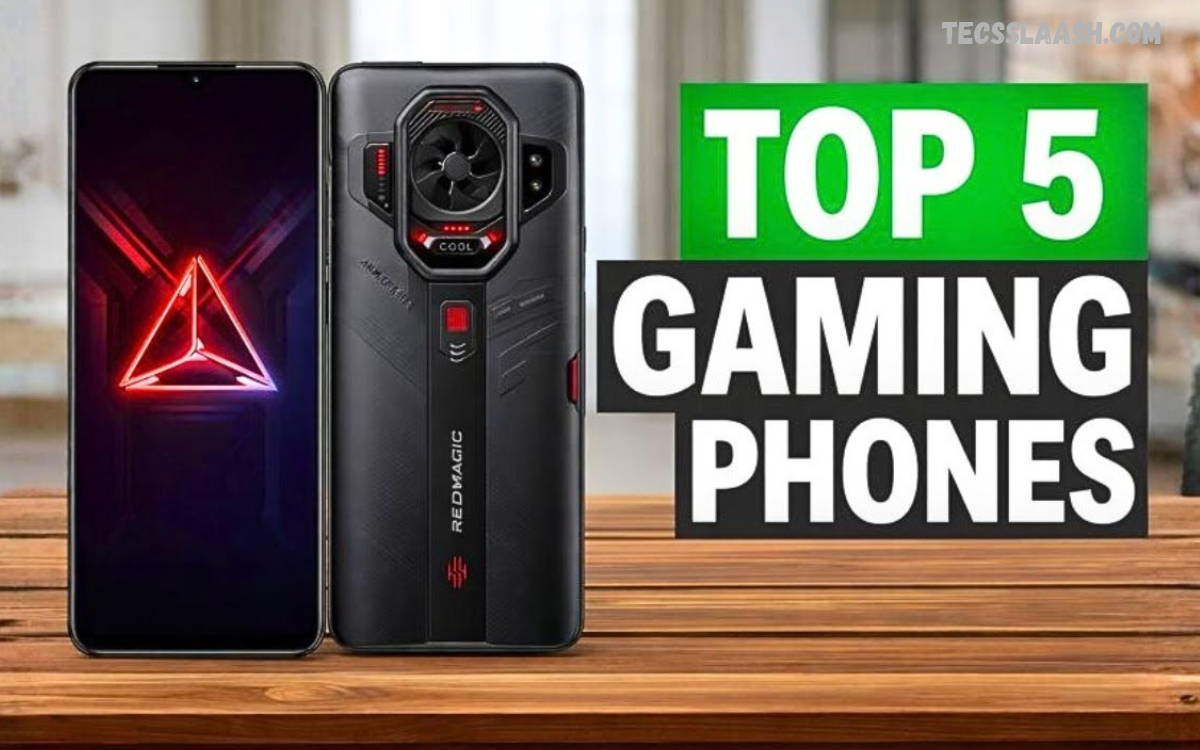
Gaming Smartphones offer powerful performance, smooth graphics, responsive controls, and immersive audio for mobile gaming enthusiasts.
Choosing the right Gaming Smartphones requires understanding processors, displays, cooling systems, battery capacity, and storage. This guide explains essential features, gaming benefits, popular specifications, and practical buying tips to help readers make informed decisions.
What Are Gaming Smartphones?
Gaming Smartphones are mobile devices designed to deliver reliable performance during demanding gaming sessions. These phones typically feature powerful chipsets, high-refresh-rate displays, advanced cooling systems, responsive touchscreens, and batteries built for extended gameplay.
Unlike ordinary smartphones, dedicated gaming models often include gaming modes, customizable controls, performance monitoring, and specialized accessories. However, many standard flagship smartphones also provide excellent gaming experiences without dedicated gaming designs.
Why Gaming Smartphones Matter for Mobile Gamers
Mobile games continue to offer increasingly detailed graphics, competitive multiplayer modes, and expansive virtual environments. Gaming Smartphones help users enjoy these experiences with responsive controls, consistent frame rates, and hardware that can handle demanding workloads.
A suitable gaming device can also make gaming more convenient for players on the go, during breaks, or in their free time. Strong performance, dependable connectivity, and comfortable handling create an enjoyable experience across game genres.
Powerful Processors for Gaming Smartphones
The processor plays a major role in determining gaming performance, loading speed, graphical quality, and overall responsiveness. Modern chipsets combine CPU and GPU components to process game instructions, render environments, and manage background tasks efficiently.
When comparing Gaming Smartphones, examine chipset benchmarks, sustained performance, and real-world gaming tests. A powerful processor matters, but software optimization and thermal management also influence whether a device maintains smooth gameplay during longer sessions.
High Refresh Rate Displays
Display refresh rate determines how many times a screen updates each second. A 120Hz display can refresh up to 120 times per second, offering smoother motion than a 60Hz display when the game and hardware support higher frame rates.
Gaming Smartphones may feature 120Hz, 144Hz, or higher refresh rates, depending on the model. Higher refresh rates can benefit competitive games, although screen resolution, brightness, touch response, and panel quality remain important considerations.
Screen Resolution and Visual Quality
Screen resolution affects image sharpness, text clarity, and how detailed game environments look. Full HD+ resolution offers a strong balance of visual quality and performance for many mobile gamers, while higher resolutions can improve clarity on compatible displays.
However, rendering games at higher resolutions can increase GPU workload and power consumption. Buyers should compare resolution alongside display size, panel technology, brightness, and supported game settings instead of selecting a device based on one specification alone.
Advanced Cooling Systems
Heat management is essential because gaming places sustained demands on processors, graphics hardware, batteries, and displays. Excessive temperatures can reduce performance, increase discomfort, and accelerate battery degradation over time.
Gaming Smartphones may use vapor chambers, graphite layers, larger cooling assemblies, or external cooling accessories. These systems help distribute heat, but results depend on the device design, room temperature, game settings, and gameplay duration.
Battery Capacity and Gaming Endurance
Battery capacity affects how long Gaming Smartphones can run before needing a recharge. Many devices offer batteries around 5,000mAh or larger, but actual endurance varies widely based on hardware efficiency and usage patterns.
Graphics-intensive games, high screen brightness, mobile data, and maximum refresh rates increase power consumption. Independent battery tests provide a clearer picture of gaming endurance than relying solely on advertised capacity.
Fast Charging Technology
Fast charging reduces downtime between gaming sessions and lets users recharge more quickly. Some gaming-focused models support high-wattage charging, while other phones prioritize battery longevity, temperature control, and balanced charging speeds.
Charging speed depends on compatible adapters, cables, supported protocols, and battery temperature. Follow manufacturer guidance, avoid damaged charging accessories, and consider taking breaks during demanding gaming sessions to help manage heat.
RAM and Storage Requirements
RAM helps Gaming Smartphones keep game assets and background applications available during use. Modern gaming devices commonly offer 8GB, 12GB, or more RAM, but the ideal capacity depends on the operating system, game requirements, and multitasking habits.
Storage determines how many games, updates, recordings, and applications a phone can accommodate. A 256GB configuration suits many users, while 512GB or more can benefit players with extensive game libraries or those recording high-resolution gameplay.
Graphics Performance and Frame Rates
The graphics processing unit renders textures, lighting, shadows, visual effects, and three-dimensional environments. Strong GPU performance helps Gaming Smartphones deliver detailed visuals while keeping gameplay responsive in demanding titles.
Frame rate describes how many frames a device displays each second. Higher frame rates can make supported games feel smoother, but results depend on chipset capability, thermal conditions, software optimization, and game-specific frame rate limits.
Touch Sampling Rate and Gaming Controls
Touch responsiveness matters in competitive games where precise movement, aiming, and rapid actions can influence results. Gaming Smartphones may advertise high touch sampling rates, although actual responsiveness also depends on software, screen quality, and game optimization.
Some gaming models include shoulder triggers, customizable controls, or accessories that provide additional input options. Players should test button placement, touch accuracy, and grip comfort before purchasing a device primarily for competitive gaming.
Audio Quality and Immersive Gameplay
Audio helps players identify environmental sounds, follow dialogue, and recognize important gameplay events. Quality stereo speakers can improve immersion, while compatible gaming headsets provide private listening and potentially more precise directional sound.
When evaluating Gaming Smartphones, consider speaker balance, maximum volume, distortion, microphone quality, and headphone compatibility. Low-latency wireless audio can be convenient, although wired accessories may offer more predictable latency when supported.
Network Connectivity for Online Gaming
Stable connectivity is essential for multiplayer games, cloud gaming, and competitive online matches. Gaming smartphones that support modern Wi-Fi standards and reliable mobile networks can deliver better connectivity when paired with a suitable router or a strong cellular signal.
Network latency, commonly called ping, measures how long it takes data to travel between a device and a server. Lower latency generally supports more responsive multiplayer gameplay, but server distance, network congestion, and connection stability also affect results.
Gaming Software and Performance Modes
Gaming software can help users adjust performance settings, block unwanted notifications, monitor temperatures, and manage incoming calls during gameplay. Some interfaces also provide screen recording, customizable touch sensitivity, and shortcuts for supported games.
Performance modes may increase processing power, raise frame rates, or adjust cooling behavior. However, aggressive settings can drain the battery faster and generate more heat, so balanced profiles help during everyday gaming sessions.
Popular Types of Gaming Smartphones
Dedicated gaming phones focus on performance, cooling, controls, and accessories. These devices appeal to enthusiasts who prioritize demanding games, extended sessions, and customization over conventional smartphone styling.
Flagship smartphones offer another strong option because premium processors, high-quality displays, and advanced cameras provide balanced everyday performance. Budget gaming phones prioritize affordability, delivering solid gaming performance while compromising on graphics power, cooling, or display technology.
Gaming Smartphones for Competitive Games
Competitive games benefit from responsive displays, stable frame rates, accurate touch controls, and dependable internet connections. Players should prioritize consistent performance over maximum graphics settings because smooth controls often matter more than visual effects.
Before buying Gaming Smartphones for competitive titles, verify official device compatibility and supported frame rates. Reviews that cover real gameplay, temperature changes, and long-session performance can reveal limitations that spec sheets might overlook.
Gaming Smartphones for Casual Games
Casual games often require less processing power than demanding battle royale, racing, or action titles. Many midrange smartphones can run puzzle games, card games, platformers, and other lightweight experiences smoothly.
For casual gaming, prioritize battery endurance, comfortable screen size, reliable software, and sufficient storage. Spending extra on specialized gaming hardware may provide limited benefits if your favorite games have modest system requirements.
Best Features to Consider Before Buying
A practical purchasing decision should consider processor performance, display quality, battery life, thermal management, storage, and software support together. These features determine whether Gaming Smartphones can handle current games and remain useful as applications become more demanding.
Build quality, warranty coverage, repair options, and long-term update policies also deserve attention. Compare several devices within your budget and rely on independent reviews rather than advertised specs or gaming-focused marketing.
Read Also: Best Phones Under 1000: Top Budget-Friendly Options
Budget Gaming Smartphones
Budget gaming smartphones offer accessible entry points for students, casual players, and users who want reliable gaming without premium prices. Midrange chipsets, Full HD+ displays, and adequate battery capacity can deliver satisfying performance across many popular mobile games.
However, lower-priced devices may use simpler cooling systems, slower storage, or less powerful graphics hardware. Research performance in your preferred games, and leave room in your budget for a protective case, a suitable charger, or a compatible headset.
Midrange Gaming Smartphones
Midrange Gaming Smartphones often offer a strong balance of price, performance, battery life, and everyday usability. Many include capable processors, high-refresh-rate displays, generous storage, and cameras suitable for everyday photography.
These devices suit users who play regularly but also need dependable communication, tools for schoolwork, social apps, and entertainment features. Compare sustained gaming performance carefully, because two phones with similar specs may perform differently under heavy workloads.
Premium Gaming Smartphones
Premium Gaming Smartphones typically combine powerful processors, advanced displays, substantial memory, and sophisticated cooling solutions. Certain models also include dedicated gaming controls, customizable lighting, or specialized accessories designed for enthusiasts.
Higher prices do not automatically guarantee the best experience for every player. Consider whether extra features improve your preferred games and whether a conventional flagship can deliver comparable gaming performance with better cameras or longer software support.
Gaming Smartphones Versus Regular Smartphones
Dedicated gaming phones prioritize sustained performance, thermal management, gaming features, and responsive input. Some sacrifice camera versatility, compact dimensions, or understated styling to accommodate larger batteries, cooling hardware, and specialized controls.
Regular smartphones can still deliver excellent gaming thanks to flagship chipsets and optimized software. For users who divide their time between gaming, photography, productivity, and communication, a balanced flagship may offer greater overall value.
How to Improve Gaming Performance
Players can improve gaming performance by updating supported software, closing unnecessary background applications, and selecting appropriate graphics settings. Keeping enough storage free and using a stable network can also reduce interruptions during demanding games.
Avoid unnecessary performance boosts from untrusted applications, and download games through official stores whenever possible. Monitor device temperature, take regular breaks, and lower graphics settings if performance becomes inconsistent during extended sessions.
Battery Care During Gaming
Gaming frequently increases processor activity, display usage, and battery temperature. Managing brightness, choosing appropriate refresh rates, and disabling unnecessary background features can reduce power consumption without significantly affecting the gaming experience.
Avoid exposing your phone to excessive heat and follow the manufacturer’s charging recommendations. Battery health naturally declines with use, but sensible charging habits and temperature management can help preserve performance over the device’s lifespan.
Common Mistakes When Buying Gaming Smartphones
One common mistake is choosing a device solely because it advertises the highest refresh rate or largest battery. Gaming performance depends on multiple components, including processor efficiency, cooling design, display response, and software optimization.
Another mistake is overlooking storage requirements, software updates, and warranty coverage. Before purchasing Gaming Smartphones, confirm that your favorite games run well, examine long-term reviews, and compare the total cost of useful accessories.
Future Trends in Gaming Smartphones
Gaming Smartphones continue to benefit from improvements in mobile processors, graphics technologies, power efficiency, and display engineering. Manufacturers are also exploring better cooling designs, artificial intelligence features, and software tools that help users manage performance more effectively.
Cloud gaming and cross-platform services may expand access to demanding games on compatible devices. Nevertheless, network quality, subscription costs, regional availability, and service requirements will influence how useful these technologies become for individual players.
Are Gaming Smartphones Worth Buying?
Gaming Smartphones can be worthwhile for users who regularly play graphics-intensive titles and value responsive controls, stable frame rates, and specialized performance features. Dedicated models may offer advantages during extended sessions, particularly when their cooling systems and software are well designed.
For occasional players, a capable midrange smartphone or conventional flagship may provide better overall value. Assess your favorite games, expected usage, budget, and preferred features before deciding whether you need specialized gaming hardware.
Frequently Asked Questions
Which Features Matter Most in Gaming Smartphones?
Key features include a capable processor, a responsive display, effective cooling, enough RAM, and reliable battery performance. Storage capacity, audio quality, network connectivity, and software support also influence the overall experience.
How Much RAM Do Gaming Smartphones Need?
8 GB of RAM can support many modern mobile games, while 12GB or more may help with demanding titles and multitasking. Actual requirements vary by game, operating system, and device optimization, so more RAM doesn’t always mean better performance.
Is a 120Hz Display Good for Gaming?
A 120Hz display can provide smoother motion and more responsive visuals when a game supports higher frame rates. However, the processor must deliver those frames, and display quality, touch response, and thermal performance remain important.
Do Gaming Smartphones Overheat?
Any smartphone can become warm during demanding gameplay because processors and graphics hardware generate heat. Effective cooling helps manage temperatures, but performance may drop under sustained workloads or in hot environments.
Are Gaming Smartphones Better Than Regular Phones?
Dedicated gaming phones often provide specialized cooling, gaming controls, and performance-focused software. Regular flagship phones can deliver excellent gaming performance while offering better cameras, design, and everyday versatility.
Which Storage Capacity Is Best for Gaming Smartphones?
A 256GB model provides a practical starting point for many users who install several large games. Players with extensive libraries, frequent updates, or substantial screen recordings may prefer 512GB or more.
Can Budget Gaming Smartphones Run Popular Games?
Many budget and midrange devices can run popular mobile games, although graphics quality and frame rates vary by model. Check official requirements and independent gaming tests before purchasing a phone for a specific title.
How Can I Extend Battery Life While Gaming?
Lower screen brightness, choose appropriate graphics settings, and disable unnecessary background activity. Avoid excessive heat, use compatible charging equipment, and take breaks during long gaming sessions to support comfortable use and battery care.
Conclusion
Gaming Smartphones offer features designed to make mobile gaming smoother, more responsive, and more immersive. Processors, displays, cooling systems, batteries, storage, and network connectivity all contribute to the overall experience.
The best choice depends on your gaming habits, not specs alone. Compare real-world performance, prioritize essential features, and select a device that balances gaming capabilities with price, durability, and everyday usability.

