


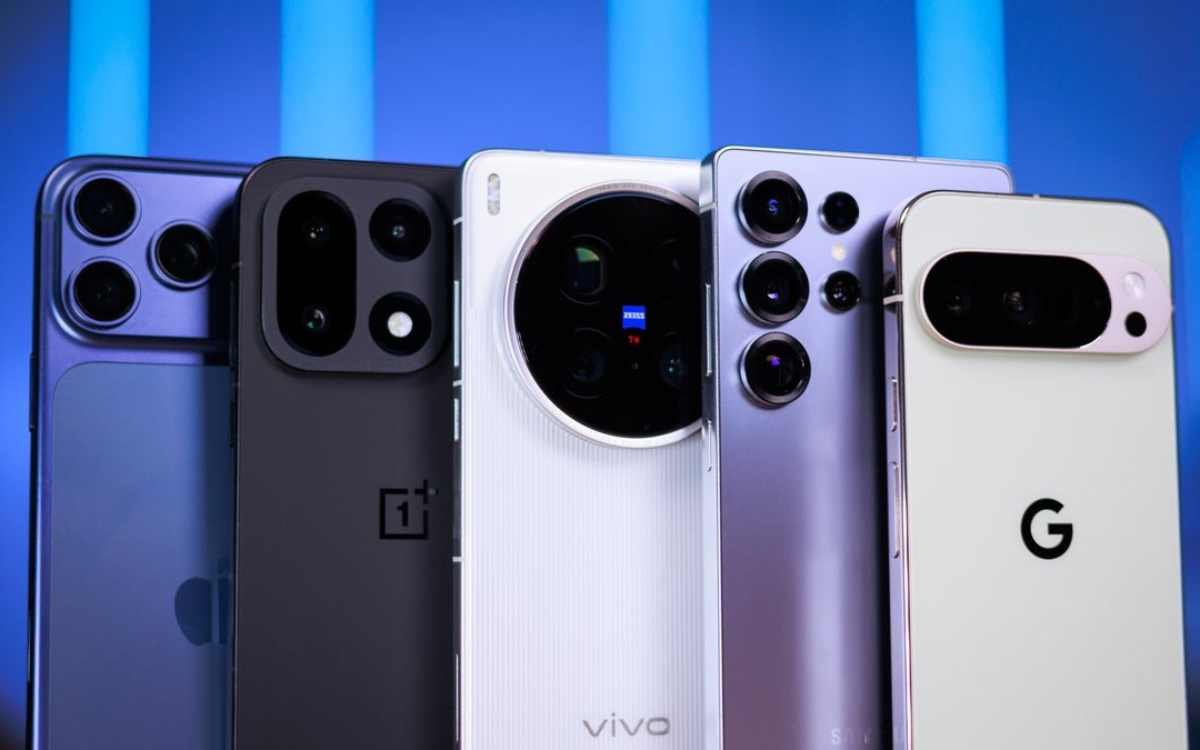
Smartphone cameras have changed how people capture everyday moments, travel experiences, family memories, and professional photographs. Modern devices offer advanced sensors, powerful image processing, optical zoom, and intelligent photography features.
Finding the Best Camera Phones requires more than comparing megapixels. Camera quality depends on sensor size, image processing, lens quality, low-light performance, video recording, and overall photography experience.
Why Camera Quality Matters in Modern Smartphones
Smartphone photography has become an important feature for everyday users. People use mobile cameras for social media, business content, travel photography, product pictures, and personal memories.
A powerful camera system helps capture detailed photographs without carrying separate photography equipment. Modern smartphones also provide editing tools, portrait effects, night photography, and professional video options.
Best Camera Phones for Professional Photography
Professional photography requires accurate colors, sharp details, balanced exposure, and reliable image processing. Smartphones with advanced camera systems can produce impressive results in different lighting conditions.
Flagship devices from Apple, Samsung, Google, and Xiaomi offer different photography experiences. The right model depends on your preferred photography style, budget, and specific camera needs.
Apple iPhone Camera Performance
Apple iPhones are popular for consistent photography, natural colors, and reliable video recording. Their camera systems offer advanced image processing, portrait photography, night mode, and detailed video capabilities.
Recent iPhone Pro models provide multiple rear cameras and advanced recording options. These features suit content creators, everyday photographers, and users who value consistent results.
Samsung Galaxy Camera Performance
Samsung Galaxy Ultra smartphones offer versatile camera systems with high-resolution sensors and powerful zoom capabilities. Their photography features support landscape photos, portraits, distant subjects, and detailed close-ups.
Samsung devices also provide advanced video recording and multiple photography modes. Their camera systems suit users who want flexibility across different photography situations.
Google Pixel Camera Performance
Google Pixel smartphones are known for computational photography and intelligent image processing. Their cameras produce detailed photographs with balanced exposure, natural-looking skin tones, and impressive portrait effects.
Google’s photography software helps improve pictures through advanced HDR processing and night photography. Pixel devices are particularly attractive to users who prefer simple camera controls and reliable automatic results.
Xiaomi Camera Performance
Xiaomi flagship smartphones combine advanced camera hardware with modern photography software. Selected models feature high-resolution sensors, optical zoom, portrait photography, and professional camera controls.
The camera experience varies by model, so individual specifications matter. Photography enthusiasts should compare sensor quality, lens performance, stabilization, and video capabilities before purchasing.
Important Features to Consider in Best Camera Phones
Choosing the Best Camera Phones becomes easier when buyers understand important camera specifications. Sensor size, optical image stabilization, aperture, lens quality, and image processing all influence final photography results.
A higher megapixel number does not automatically guarantee better photographs. A balanced camera system with reliable software and quality lenses usually delivers more consistent results across different environments.
Camera Sensor and Image Quality
The camera sensor captures light and converts it into digital information. Larger sensors generally collect more light, which can improve image quality, especially in indoor scenes or at night.
Sensor performance also affects dynamic range, image detail, and background separation. Buyers should consider sensor size alongside resolution instead of choosing a smartphone based only on megapixel numbers.
Megapixels and Photograph Details
Megapixels describe a digital photograph’s resolution. Higher-resolution cameras can capture more detail and offer more flexibility when cropping or printing photos.
However, megapixels represent only one part of camera performance. Lens quality, sensor technology, software processing, and lighting conditions also influence the sharpness and overall appearance of photographs.
Optical Image Stabilization
Optical Image Stabilization helps reduce unwanted camera movement during photography and video recording. This technology is particularly useful when capturing pictures in low light or recording handheld videos.
OIS can improve image sharpness by compensating for small movements. It does not replace good photography technique, but it makes it easier to capture clear photos in challenging situations.
Optical Zoom and Digital Zoom
Optical zoom uses camera lenses to capture distant subjects without relying entirely on digital enlargement. It helps preserve important details when photographing wildlife, buildings, sports, and travel destinations.
Digital zoom enlarges an existing image, which can reduce detail at higher magnification levels. Buyers interested in distant photography should prioritize true optical zoom.
Low-Light Photography
Low-light photography is an important consideration when choosing a smartphone camera. Advanced sensors, wider apertures, stabilization, and night modes help capture brighter photographs in darker environments.
A good night mode combines multiple image exposures to improve brightness and reduce noise. However, results depend on the camera hardware, processing quality, and movement within the scene.
Portrait Photography
Portrait photography focuses on capturing people with natural-looking background separation. Modern smartphones use dedicated lenses and software processing to create depth effects and improve subject recognition.
Good portrait cameras maintain realistic skin tones and accurate edge detection. These features help create attractive photographs without requiring professional photography equipment.
Ultra-Wide Camera Features
Ultra-wide cameras capture a larger area within a single photograph. They are useful for landscapes, architecture, group pictures, and indoor photography where additional framing space is required.
Camera quality can vary between the main and ultra-wide lenses. Buyers should compare image sharpness, color consistency, autofocus, and low-light performance across all available cameras.
Telephoto Camera Features
Telephoto cameras provide additional flexibility when photographing distant subjects. Dedicated telephoto lenses can capture closer compositions while maintaining better detail than extreme digital zoom.
Some flagship smartphones include multiple zoom lenses for different distances. These systems are especially useful for travel photography, portraits, concerts, and outdoor activities.
Best Camera Phones for Video Recording
Video recording is another important factor when evaluating modern smartphones. High-quality devices support advanced stabilization, detailed recording, accurate colors, and multiple frame-rate options.
Content creators should compare resolution, frame rates, autofocus, audio quality, and recording limits. A smartphone with reliable video performance can support vlogging, tutorials, interviews, and social media content.
4K and 8K Video Recording
4K recording provides detailed video quality suitable for modern displays and online content. Many flagship smartphones support multiple 4K recording options with different frame rates and stabilization features.
Some premium devices also offer 8K recording. However, higher resolution requires more storage and processing power, so buyers should choose recording capabilities based on their actual needs.
Video Stabilization Technology
Video stabilization reduces unwanted movement and helps produce smoother recordings. Optical stabilization and electronic stabilization can work together to improve handheld video quality.
Strong stabilization helps with walking videos, travel recordings, and everyday content creation. Buyers should also check how stabilization performs when recording at different resolutions and frame rates.
Front Camera Quality
The front camera is important for selfies, video calls, online meetings, and social media content. A good selfie camera should provide accurate skin tones, balanced exposure, and clear facial details.
Some smartphones include autofocus, portrait effects, and advanced video recording on the front camera. These features can improve the overall experience for people who regularly record themselves.
Best Camera Phones for Different Budgets
Smartphone buyers have different budgets and photography requirements. Premium devices usually provide advanced camera hardware, while mid-range smartphones can offer excellent everyday photography at more affordable prices.
Comparing several devices within the same price category helps identify better value. Buyers should focus on real camera performance rather than buying a device only because it looks premium.
Budget Camera Phones
Budget smartphones can capture useful photographs for everyday activities, family memories, and social media. Many affordable models include multiple camera modes, portrait effects, and automatic image processing.
However, low-light performance, optical stabilization, and video recording may be limited. Buyers should prioritize a reliable main camera and strong image processing over unnecessary extra lenses.
Mid-Range Camera Phones
Mid-range smartphones balance photography quality, performance, and affordability. Many models include optical stabilization, high-resolution sensors, portrait modes, and improved night photography.
These devices suit students, travelers, casual photographers, and content creators. Comparing camera samples and recording features can help identify the strongest option within a particular budget.
Read Also: Best Phones for Everyday Use: Top Features, Performance, and Buying Guide
Premium Camera Phones
Premium smartphones offer advanced sensors, dedicated telephoto cameras, improved stabilization, and professional recording features. Their processing systems also provide greater flexibility for challenging photography situations.
These devices suit photography enthusiasts and users who regularly create digital content. However, the most expensive smartphone is not automatically the best choice for every photographer.
Best Camera Phones for Social Media
Social media photography requires clear images, attractive colors, reliable autofocus, and convenient editing options. Smartphones with strong front and rear cameras make it easier to create photographs for different platforms.
Video quality also matters for short-form content and everyday recordings. Buyers should consider microphone performance, stabilization, camera switching, and compatibility with their preferred content-creation apps.
Best Camera Phones for Travel Photography
Travel photography requires flexibility across landscapes, buildings, portraits, and nighttime scenes. A smartphone with main, ultra-wide, and telephoto cameras can handle many different photographic situations.
Battery life, storage capacity, durability, and portability also matter on the road. A reliable camera phone should capture consistent photos without frequent charging or complicated adjustments.
Best Camera Phones for Night Photography
Night photography requires strong light sensitivity and effective image processing. Smartphones with larger sensors, optical stabilization, and advanced night modes can capture more visible details in darker environments.
Users should also consider autofocus accuracy and exposure control. A stable camera position and appropriate settings can further improve nighttime photos.
Camera Software and Image Processing
Camera software plays a major role in smartphone photography. It controls exposure, color balance, sharpening, noise reduction, portrait effects, and other image improvements.
Different manufacturers use different processing styles. Some prefer natural colors, while others create brighter images with stronger contrast and saturation, making personal preference an important purchasing factor.
Artificial Intelligence Camera Features
Artificial intelligence features can improve smartphone photography through automatic scene recognition and image enhancement. Some devices offer object removal, automatic framing, portrait adjustments, and intelligent editing tools.
These features can save time during photography and editing. However, buyers should evaluate the actual camera results instead of relying entirely on AI marketing claims.
Camera App and Manual Controls
A useful camera app should offer simple controls and quick access to key photography settings. Features such as exposure adjustment, focus control, white balance, and shooting modes help users capture better photographs.
Manual controls are particularly valuable for photography enthusiasts. They provide extra flexibility when automatic settings don’t produce the desired result.
Storage and Battery Life for Photography
High-resolution photographs and video recordings require considerable storage space. Smartphones with sufficient internal storage help users keep important media without constantly transferring files.
Battery life also matters because camera use can drain power quickly. Buyers who record videos frequently should consider charging speed, battery capacity, and overall device efficiency.
How to Choose the Best Camera Phones
Start by identifying the type of photography you enjoy most. Portrait photography, travel pictures, night photography, distant subjects, and video creation may require different camera features.
Next, compare sample photos, stabilization, sensor specs, and software performance. Reading detailed reviews and checking real-world results can help buyers make informed decisions.
Common Mistakes When Buying Camera Phones
One common mistake is choosing a smartphone based only on megapixel numbers. Camera performance depends on several hardware and software factors that work together to produce the final photograph.
Another mistake is ignoring secondary cameras and video recording capabilities. Buyers should also consider battery life, storage, software support, and overall build quality before buying.
Are Expensive Camera Phones Worth Buying?
Expensive camera phones can provide better zoom, advanced sensors, improved video recording, and additional photography controls. These features matter for people who regularly capture professional-style photos and videos.
Casual users may not need every premium feature. A good mid-range smartphone can provide excellent everyday photography without requiring a flagship-level budget.
Tips for Taking Better Smartphone Photos
Clean the camera lens before taking photographs because fingerprints and dust can reduce image clarity. Use natural light whenever possible, and keep the main subject in focus.
Experiment with different camera angles and composition techniques. Avoid unnecessary digital zoom, maintain a stable grip, and explore camera settings to understand how each feature affects image quality.
Future of Smartphone Camera Technology
Smartphone camera technology continues to improve through advanced sensors, computational photography, and more capable image processors. Future devices may offer better optical zoom, improved low-light performance, and enhanced video recording.
Manufacturers are also investing in artificial intelligence and advanced camera software. These developments aim to make professional-style photography more accessible through everyday smartphones.
Frequently Asked Questions
Which smartphone has the best camera?
The best camera smartphone depends on photography preferences and budget. Flagship models from Apple, Samsung, Google, and Xiaomi are popular choices for advanced photography.
Are more megapixels better for photography?
Higher megapixels can add image detail, but they don’t guarantee better photos. Sensor quality, lens performance, stabilization, and image processing also matter.
Which camera phone is best for night photography?
A smartphone with a capable sensor, optical stabilization, and effective night mode can produce excellent nighttime photographs. Compare real-world low-light samples before purchasing.
Which phone is best for professional photography?
Premium smartphones with advanced sensors, optical zoom, manual controls, and reliable image processing suit professional-style photography.
Is iPhone better than Samsung for photography?
Both brands offer excellent camera systems. iPhones are popular for consistent colors and video, while Samsung flagship devices offer versatile zoom and photography features.
Which camera phone is best for selfies?
A good selfie smartphone should offer clear front-camera resolution, accurate colors, autofocus, and reliable portrait processing.
Does optical zoom improve camera quality?
Optical zoom uses dedicated lens technology to capture distant subjects while preserving more detail than heavy digital enlargement.
Is optical image stabilization important?
Yes. Optical image stabilization reduces the effects of small camera movements and can improve photos and video, especially in challenging lighting conditions.
Can mid-range smartphones take professional-quality photos?
Some mid-range smartphones capture excellent photographs in suitable lighting. However, premium devices generally offer additional zoom, stabilization, and video features.
What should I check before buying a camera phone?
Compare sensor quality, lens performance, optical zoom, stabilization, night mode, video recording, front-camera quality, storage, and battery life.
Conclusion
The Best Camera Phones combine reliable hardware, intelligent software, excellent image quality, and useful photography features. The right device depends on your needs, budget, and preferred photography style.
Apple, Samsung, Google, and Xiaomi offer different strengths across their smartphone camera systems. Compare individual models carefully, examine real-world camera samples, and choose a smartphone that delivers the features most important to your photography needs.

