


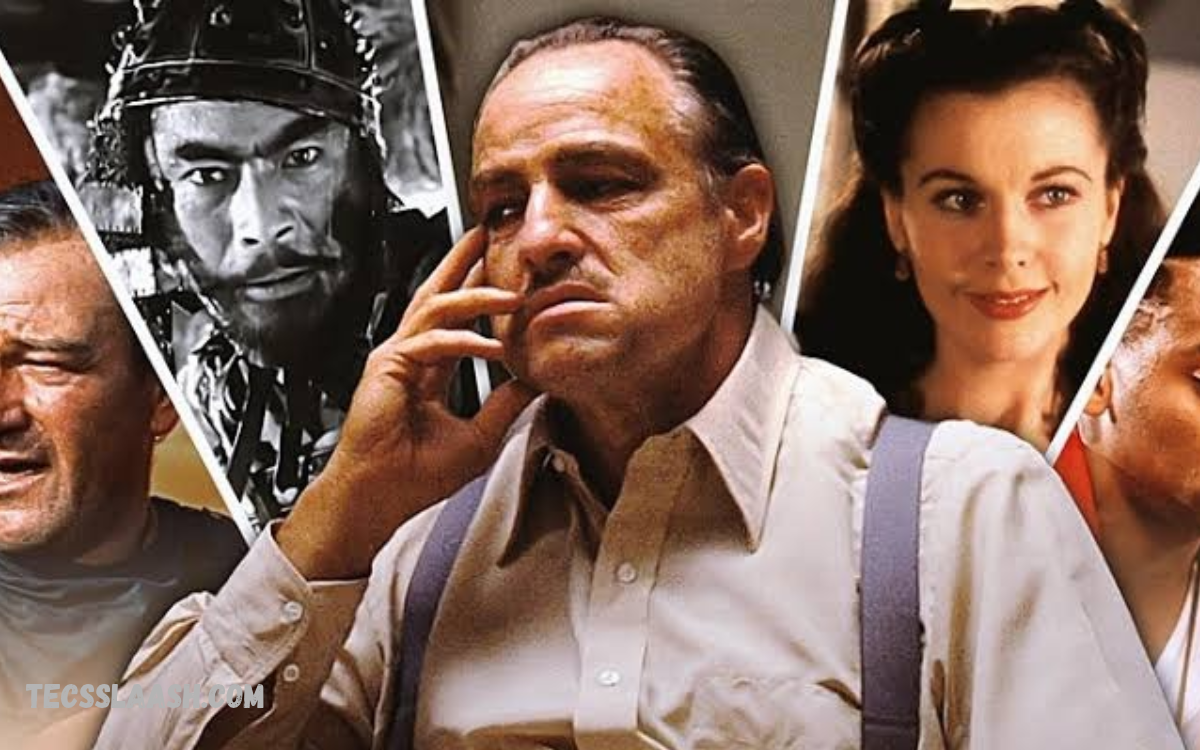
Classic Hollywood movies represent an unforgettable era of filmmaking, storytelling, and entertainment. These productions introduced legendary actors, talented directors, memorable characters, and creative techniques that continue influencing modern cinema.
The Best Classic Hollywood Movies offer something special for every movie enthusiast. From romantic dramas and exciting adventures to unforgettable comedies and psychological thrillers, classic cinema provides countless stories worth discovering.
What Makes Classic Hollywood Movies Special?
Classic Hollywood movies stand out because of their memorable storytelling, exceptional performances, and distinctive filmmaking techniques. Directors focused on developing interesting characters and meaningful narratives rather than depending entirely on expensive visual effects.
Another important feature involves the contributions of legendary performers. Actors such as Humphrey Bogart, Audrey Hepburn, Marilyn Monroe, James Stewart, and Cary Grant created unforgettable screen personalities that helped shape the entertainment industry.
Best Classic Hollywood Movies of All Time
Hollywood produced numerous influential films throughout its Golden Age and subsequent decades. These productions introduced innovative storytelling methods, established popular movie genres, and created unforgettable cinematic moments.
The following collection highlights some of the most celebrated classic Hollywood movies. Each selection offers a different entertainment experience and represents an important contribution to film history.
Casablanca (1942)
Casablanca, directed by Michael Curtiz, remains one of the greatest romantic dramas in Hollywood history. The movie stars Humphrey Bogart and Ingrid Bergman in an emotional story involving love, sacrifice, and difficult decisions during World War II.
The narrative follows Rick Blaine, an American nightclub owner living in Casablanca. His ordinary life changes when Ilsa Lund, a former romantic partner, arrives with her husband, creating an unexpected emotional conflict.
Gone with the Wind (1939)
Gone with the Wind, directed by Victor Fleming, stands among the most recognized historical dramas in American cinema. The production features Vivien Leigh and Clark Gable in a story set during the American Civil War and Reconstruction.
The narrative follows Scarlett O’Hara, a determined young woman whose personal relationships and ambitions become complicated amid major historical change. Her experiences create an emotional story involving relationships, survival, and personal challenges.
Citizen Kane (1941)
Citizen Kane, directed by Orson Welles, frequently appears among the greatest movies ever produced. Its innovative cinematography, creative editing, and non-linear storytelling changed expectations surrounding cinematic expression.
The story investigates the life of Charles Foster Kane, a wealthy newspaper publisher whose final word creates curiosity among journalists. Their investigation reveals different perspectives about his personality, ambitions, relationships, and personal struggles.
The Wizard of Oz (1939)
The Wizard of Oz remains one of Hollywood’s most beloved fantasy adventures. Directed by Victor Fleming, the movie stars Judy Garland as Dorothy Gale, a young girl transported into a magical world filled with extraordinary characters.
Dorothy travels through the Land of Oz while searching for a way to return home. Along the journey, she meets the Scarecrow, Tin Man, and Cowardly Lion, who each hope to receive something important from the mysterious Wizard.
Roman Holiday (1953)
Roman Holiday, directed by William Wyler, is an unforgettable romantic comedy starring Audrey Hepburn and Gregory Peck. The movie follows a young princess who secretly explores Rome after becoming tired of her royal responsibilities.
During her adventure, Princess Ann meets American journalist Joe Bradley. Their unexpected friendship develops into a charming relationship filled with humorous situations, emotional moments, and memorable experiences across the beautiful city.
Some Like It Hot (1959)
Some Like It Hot, directed by Billy Wilder, remains one of the most celebrated comedy productions in classic Hollywood. The movie stars Marilyn Monroe, Tony Curtis, and Jack Lemmon in an entertaining story involving mistaken identities.
The narrative follows two musicians who witness a dangerous incident and decide to escape by joining an all-female musical group. Their unusual situation leads to several humorous moments as they try to avoid trouble.
Singin’ in the Rain (1952)
Singin’ in the Rain, directed by Gene Kelly and Stanley Donen, celebrates the magic of musical filmmaking. The movie features Gene Kelly, Debbie Reynolds, and Donald O’Connor in an entertaining story about Hollywood’s transition from silent films to talking pictures.
The characters face unexpected challenges as sound technology changes the entertainment industry. Movie stars and production teams must adjust their methods to meet the demands of audiences interested in talking pictures.
Rear Window (1954)
Rear Window, directed by Alfred Hitchcock, is an outstanding psychological thriller featuring James Stewart and Grace Kelly. The film demonstrates how an ordinary setting can create extraordinary suspense through observation and uncertainty.
The story follows photographer L. B. Jefferies, who spends much of his recovery period watching neighbors from his apartment window. His curiosity grows when he begins to suspect that something unusual has happened nearby.
12 Angry Men (1957)
12 Angry Men, directed by Sidney Lumet, is a powerful courtroom drama starring Henry Fonda. The story follows twelve jurors who must discuss the evidence presented during a murder trial before reaching a final decision.
One juror questions whether the available evidence truly establishes the defendant’s guilt. His arguments encourage the others to reconsider their assumptions and examine different perspectives surrounding the case.
The Godfather (1972)
The Godfather, directed by Francis Ford Coppola, transformed the crime drama genre through exceptional performances and detailed storytelling. The production stars Marlon Brando, Al Pacino, James Caan, and Diane Keaton.
The story follows the Corleone family, an influential organized-crime family navigating personal relationships, business interests, and internal conflicts. Michael Corleone gradually takes on family responsibilities despite initially wanting a different future.
Lawrence of Arabia (1962)
Lawrence of Arabia, directed by David Lean, is an ambitious historical epic featuring Peter O’Toole. The movie follows T. E. Lawrence, a British officer whose experiences during World War I place him at the center of major political developments.
The story explores Lawrence’s involvement in the Arab Revolt against Ottoman rule. Its narrative examines leadership, identity, political interests, and the complicated consequences of historical events.
Breakfast at Tiffany’s (1961)
Breakfast at Tiffany’s, directed by Blake Edwards, features Audrey Hepburn as Holly Golightly. The romantic comedy became famous for its fashionable presentation, memorable music, and distinctive New York atmosphere.
Holly enjoys an independent social life while searching for personal happiness and stability. Her experiences change when Paul Varjak, a writer living in her apartment building, becomes part of her daily routine.
It’s a Wonderful Life (1946)
It’s a Wonderful Life, directed by Frank Capra, is a memorable drama exploring kindness, family, and community. James Stewart stars as George Bailey, a man whose personal sacrifices have influenced the lives of people around him.
The story follows George as he faces difficult circumstances and begins questioning the value of his contributions. A mysterious guardian angel helps him understand how his decisions have affected his community.
Sunset Boulevard (1950)
Sunset Boulevard, directed by Billy Wilder, offers a fascinating examination of fame, ambition, and Hollywood’s entertainment industry. The film stars Gloria Swanson and William Holden in a dramatic story involving two people with complicated personal lives.
The narrative follows struggling screenwriter Joe Gillis, who becomes involved with Norma Desmond, a former silent-film star hoping to return to the spotlight. Their relationship develops through ambition, unrealistic expectations, and emotional conflict.
The Sound of Music (1965)
The Sound of Music, directed by Robert Wise, is a celebrated musical drama starring Julie Andrews and Christopher Plummer. The story follows Maria, a young woman who becomes governess for the children of a widowed naval officer.
Maria introduces music, happiness, and a fresh atmosphere into the household. As family relationships develop, the characters also face difficult circumstances connected to political changes in Austria.
North by Northwest (1959)
North by Northwest, directed by Alfred Hitchcock, is a remarkable thriller featuring Cary Grant and Eva Marie Saint. The story follows Roger Thornhill, an advertising executive who becomes involved in a dangerous misunderstanding.
His unexpected situation develops into an international adventure involving mysterious individuals, secret identities, and complicated circumstances. Thornhill must discover the truth while attempting to protect himself from people pursuing him.
On the Waterfront (1954)
On the Waterfront, directed by Elia Kazan, features Marlon Brando in one of his most celebrated performances. The movie examines corruption, personal responsibility, and difficult choices within a working-class community.
The narrative follows Terry Malloy, a former boxer involved in the waterfront labor community. His understanding of local corruption creates personal conflict as he considers whether to stay silent or challenge it.
Read Also: Popular Actresses in the Latest Web Series
Modern Times (1936)
Modern Times, written and directed by Charlie Chaplin, is one of the most influential productions from the silent-film era. The movie uses physical comedy and social commentary to examine industrialization and working conditions.
Chaplin plays the Little Tramp, a factory worker struggling with repetitive industrial routines. His experiences create humorous situations involving employment, technology, and everyday challenges.
City Lights (1931)
City Lights, written and directed by Charlie Chaplin, is a beloved silent-era masterpiece. The story combines physical comedy with emotional storytelling, creating an unforgettable experience centered on kindness and compassion.
The Little Tramp develops a friendship with a blind flower seller and attempts to improve her circumstances. His journey creates humorous and emotional situations that reveal the importance of generosity and genuine human connections.
A Streetcar Named Desire (1951)
A Streetcar Named Desire, directed by Elia Kazan, is a powerful psychological drama featuring Vivien Leigh and Marlon Brando. The movie explores family relationships, personal conflict, social expectations, and emotional vulnerability.
The narrative follows Blanche DuBois, who arrives in New Orleans to stay with her sister, Stella, and Stella’s husband, Stanley Kowalski. Their contrasting personalities create increasing tension within the household.
Best Classic Hollywood Movies by Genre
Classic Hollywood offers an impressive selection of films across multiple genres. Understanding these categories helps viewers discover productions that match their entertainment preferences and introduce them to different filmmaking traditions.
Romantic dramas, historical epics, suspense thrillers, musical productions, and comedies each represent important parts of Hollywood’s development. Every genre offers distinctive storytelling techniques and memorable cinematic experiences.
Best Classic Romantic Movies
Romantic films became especially influential during Hollywood’s Golden Age. These productions explored relationships, emotional challenges, personal sacrifices, and the complicated nature of love through memorable characters.
Popular recommendations include Casablanca, Roman Holiday, Breakfast at Tiffany’s, An Affair to Remember, The Philadelphia Story, Sabrina, Brief Encounter, and It Happened One Night.
Best Classic Comedy Movies
Classic Hollywood comedy relies heavily on expressive performances, clever dialogue, physical humor, and entertaining misunderstandings. Many older comedies remain enjoyable because their humor focuses on recognizable human behavior.
Popular recommendations include Some Like It Hot, Modern Times, City Lights, Bringing Up Baby, His Girl Friday, Duck Soup, The General, and The Philadelphia Story.
Best Classic Thriller Movies
Suspense became a major part of Hollywood filmmaking through creative direction and psychological storytelling. Classic thrillers often build tension through mysterious characters, unexpected developments, and carefully controlled information.
Popular recommendations include Rear Window, North by Northwest, Vertigo, Psycho, Notorious, The Maltese Falcon, Rebecca, and Shadow of a Doubt.
Best Classic Musical Movies
Musical productions brought together storytelling, choreography, memorable songs, and impressive performances. These movies became popular because they created entertaining experiences by combining music and cinema.
Popular recommendations include Singin’ in the Rain, The Sound of Music, An American in Paris, Meet Me in St. Louis, The Wizard of Oz, My Fair Lady, and West Side Story.
Why Do Classic Hollywood Movies Remain Popular?
Classic Hollywood movies continue attracting audiences because their stories explore experiences that remain relevant across generations. Love, ambition, friendship, family relationships, and personal challenges create emotional connections that do not depend on modern technology.
Their influence also extends beyond individual stories. Directors, actors, cinematographers, editors, and screenwriters continue studying classic productions to understand character development, visual composition, narrative structure, and cinematic presentation.
Influence of Classic Hollywood on Modern Cinema
Modern filmmaking uses many techniques developed or popularized during Hollywood’s Golden Age. Creative camera movements, dramatic lighting, character-focused narratives, suspenseful editing, and memorable dialogue remain important elements of contemporary cinema.
Classic movies also established influential genres and screen personalities. Their storytelling approaches helped shape modern romantic comedies, crime dramas, fantasy adventures, musicals, and psychological thrillers.
Legendary Actors of Classic Hollywood
Classic Hollywood became famous through extraordinary performers who developed distinctive screen personalities. Their acting styles, memorable roles, and contributions helped establish the foundations of modern movie stardom.
Some of the most recognizable performers include Humphrey Bogart, Audrey Hepburn, Marilyn Monroe, James Stewart, Charlie Chaplin, Cary Grant, Marlon Brando, and Vivien Leigh.
How to Choose the Best Classic Hollywood Movies
Choosing a classic movie becomes easier when viewers consider their favorite genres, storytelling preferences, and interest in different historical periods.
Film release periods also provide useful guidance. Silent-era productions introduce visual comedy and expressive storytelling, while films from the 1940s and 1950s showcase influential studio filmmaking, dramatic performances, and memorable cinematic techniques.
Are Classic Hollywood Movies Worth Watching Today?
Classic Hollywood movies remain worthwhile because they offer storytelling experiences that transcend their original release periods. Their characters, themes, performances, and artistic achievements continue to provide entertainment and valuable insights into film history.
Modern viewers may notice differences in pacing, dialogue, visual presentation, and cultural attitudes. Understanding these differences creates a more meaningful viewing experience while allowing audiences to appreciate the achievements and historical limitations of older productions.
Frequently Asked Questions
What Are the Best Classic Hollywood Movies?
Some of the best classic Hollywood movies include Casablanca, Citizen Kane, Gone with the Wind, Roman Holiday, Rear Window, and 12 Angry Men. Each film represents a different achievement in cinematic storytelling.
Which Classic Hollywood Movie Should Beginners Watch First?
Roman Holiday is an excellent starting choice because of its charming performances, accessible story, and enjoyable romantic comedy elements. Casablanca is another popular introduction to classic cinema.
What Is Considered the Golden Age of Hollywood?
Hollywood’s Golden Age generally refers to the period from the late 1920s through the 1950s. This era featured major studio productions, influential actors, and important developments in filmmaking.
Who Were the Most Famous Classic Hollywood Actors?
Several performers became major Hollywood legends, including Humphrey Bogart, Cary Grant, James Stewart, Audrey Hepburn, Marilyn Monroe, and Charlie Chaplin.
What Are the Best Classic Hollywood Romantic Movies?
Popular classic romantic movies include Casablanca, Roman Holiday, Breakfast at Tiffany’s, An Affair to Remember, and It Happened One Night.
Which Classic Hollywood Movies Are Best for Families?
The Wizard of Oz, Mary Poppins, and The Sound of Music are popular family-friendly choices. Parents should consider individual film ratings and age suitability.
What Is the Greatest Classic Hollywood Movie Ever Made?
There is no universally accepted answer. Citizen Kane, Casablanca, The Godfather, and Vertigo are often cited for their artistic achievements and lasting influence.
Why Do People Still Watch Classic Hollywood Movies?
People continue watching classic Hollywood movies because of their memorable characters, emotional storytelling, legendary performances, and historical importance.
Are Classic Hollywood Movies Available in Color?
Yes. Many classic Hollywood movies were originally produced in color, while others were filmed in black and white. Some older black-and-white productions have also received colorized versions.
What Is the Difference Between Classic and Modern Hollywood Movies?
Classic Hollywood movies generally feature traditional storytelling, distinctive studio-era filmmaking techniques, and performances associated with earlier cinematic periods. Modern productions often use advanced technology, contemporary storytelling approaches, and digital visual effects.
Conclusion
The Best Classic Hollywood Movies represent an extraordinary collection of cinematic achievements that continue influencing entertainment worldwide. From Casablanca and Citizen Kane to Roman Holiday and Singin’ in the Rain, these productions demonstrate the lasting power of creative storytelling and memorable performances.
Whether someone enjoys romance, comedy, suspense, historical drama, or musical adventures, classic Hollywood offers countless films worth discovering. Exploring these timeless productions offers a chance to appreciate legendary actors, influential directors, and the remarkable history of American cinema.

