


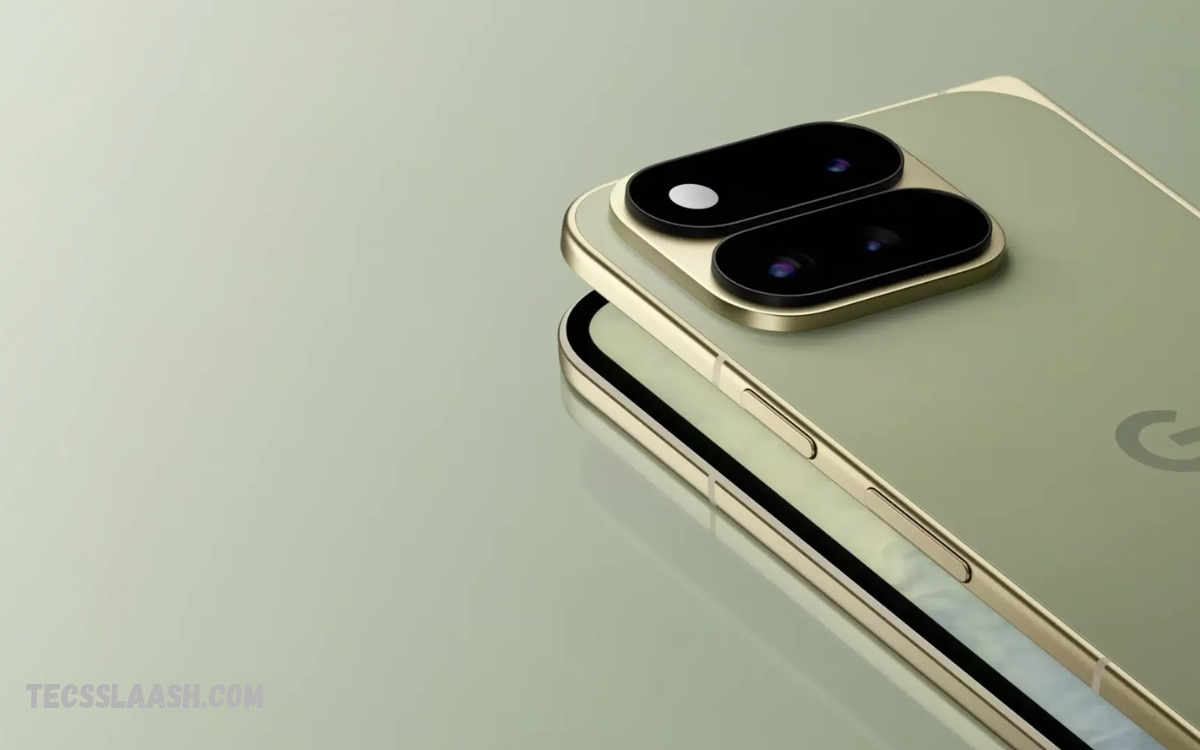
The smartphone industry continues to evolve through advanced technology, improved hardware, artificial intelligence, and innovative designs. Latest Android Phones offer a wide range of features designed to improve communication, entertainment, photography, productivity, and everyday digital experiences.
Android smartphones are available in different categories, including flagship devices, mid-range models, foldable phones, and budget-friendly options. Each category offers different capabilities, allowing users to choose devices based on their needs and preferences.
Exploring the Latest Android Phones
Latest Android Phones represent modern smartphones powered by Google’s Android operating system. These devices combine hardware and software to deliver communication, entertainment, photography, gaming, navigation, and productivity features.
Manufacturers introduce new smartphone generations with improved specifications and updated designs. Samsung, Google, Xiaomi, OnePlus, OPPO, Vivo, and other companies contribute to the Android ecosystem through different technologies and product categories.
Major Android Phone Categories
Android smartphones belong to several categories based on hardware, design, performance, and intended use. Understanding these categories helps explain differences between flagship, mid-range, budget, and foldable devices.
Flagship smartphones generally introduce advanced processors, premium displays, sophisticated cameras, and additional software capabilities. Mid-range devices balance performance and features, while budget smartphones prioritize essential functionality and affordability.
Flagship Android Phones
Flagship Android Phones represent the premium segment of the smartphone market. These devices generally include advanced processors, high-resolution displays, sophisticated camera systems, and premium construction materials.
Manufacturers use flagship models to introduce their newest technologies. Features may include advanced artificial intelligence, improved image processing, powerful graphics, enhanced connectivity, and longer software support.
Mid-Range Android Phones
Mid-range Android smartphones balance performance, design, and everyday functionality. These devices often include AMOLED displays, capable processors, multiple cameras, and fast-charging technologies.
This category attracts users who want modern smartphone features without requiring premium hardware. Mid-range models can handle communication, photography, streaming, browsing, and many popular applications.
Budget Android Phones
Budget Android phones focus on essential smartphone functionality. They commonly include large displays, dependable batteries, practical camera systems, and sufficient performance for everyday applications.
Manufacturers continue improving affordable smartphones through better displays, increased storage options, and more efficient processors. These developments make modern Android technology accessible to a wider audience.
Foldable Android Phones
Foldable Android Phones introduce flexible display technology into smartphone design. These devices can open into larger screen formats or fold into compact shapes, depending on their construction.
Foldable smartphones provide additional screen space for multitasking, reading, entertainment, and productivity. Manufacturers continue refining hinge systems, display durability, software layouts, and overall device thickness.
Popular Latest Android Phones in 2026
The Android smartphone market features several popular manufacturers offering advanced devices in 2026. Samsung Galaxy S26, Google Pixel 10, OnePlus 15, Xiaomi 18 series, and other premium smartphones represent different approaches to performance, camera technology, artificial intelligence, and design.
Samsung focuses on premium displays, Galaxy AI, photography, and productivity features. Google emphasizes intelligent software, computational photography, and Android integration, while OnePlus targets performance and battery efficiency. Xiaomi continues developing advanced camera hardware and premium smartphone experiences.
Samsung Galaxy S26 Series
Samsung Galaxy S26, Galaxy S26+, and Galaxy S26 Ultra belong to Samsung’s premium smartphone lineup. The series combines advanced processors, AMOLED displays, camera improvements, and Galaxy AI features designed to simplify everyday smartphone activities.
The Galaxy S26 Ultra introduces a built-in Privacy Display, advanced camera capabilities, and improved thermal management. These features support photography, multitasking, gaming, and privacy-focused smartphone experiences. Samsung Global Newsroom
Google Pixel Smartphones
Google Pixel smartphones are known for their clean Android experience, intelligent software features, and computational photography. Pixel devices combine Google’s software ecosystem with camera processing technologies designed to produce detailed photographs and useful editing features.
Pixel smartphones also receive Android software updates directly from Google. Their integration with Google services makes them useful for users who regularly use Gmail, Google Photos, Google Maps, and other Android apps.
OnePlus Smartphones
OnePlus smartphones focus on smooth performance, responsive displays, fast charging, and practical software features. The brand offers devices across premium and mid-range categories, providing different configurations for different requirements.
Recent OnePlus models emphasize processor performance, battery efficiency, display quality, and multitasking. These characteristics make the brand relevant for users interested in gaming, entertainment, productivity, and everyday smartphone performance.
Xiaomi Smartphones
Xiaomi offers Android smartphones across flagship, mid-range, and budget categories. Its premium devices often emphasize camera hardware, display technology, processing performance, and fast-charging capabilities.
The company’s software ecosystem also includes HyperOS, which connects supported smartphones with other compatible devices. Users can benefit from integrated features, device connectivity, and personalized interface options.
Display Technology in Latest Android Phones
Display technology plays an important role in the overall smartphone experience. Latest Android Phones feature different screen technologies, including AMOLED, OLED, and LCD panels, each offering distinct advantages in brightness, color reproduction, power consumption, and viewing quality.
Modern flagship smartphones commonly feature high-resolution displays with adaptive refresh rates. These screens deliver detailed images, smooth animations, comfortable reading experiences, and better visual quality for videos, games, and everyday apps. Display specifications vary by manufacturer and model.
AMOLED and OLED Displays
AMOLED and OLED displays produce images through individual light-emitting pixels. This technology allows screens to display deep blacks, strong contrast, and vibrant colors without requiring a separate backlight.
These displays also support advanced visual features such as always-on displays, HDR content, and adaptive brightness. Their visual quality makes them popular in premium Android smartphones and selected mid-range devices.
High Refresh Rate Technology
Refresh rate describes how frequently a display updates its image each second. Modern Android smartphones commonly feature 90Hz, 120Hz, or higher refresh rates, providing smoother scrolling and more responsive animations.
Adaptive refresh rate technology adjusts screen activity based on the displayed content. This approach helps balance visual smoothness and battery efficiency during different smartphone activities.
Screen Resolution and Brightness
Screen resolution determines the number of pixels used to display images and text. Higher-resolution displays can produce sharper visual details, especially when viewing photographs, reading documents, and watching high-quality videos.
Brightness is another important specification because it affects outdoor visibility and viewing comfort. Modern smartphones include automatic brightness controls that adjust screen illumination according to surrounding lighting conditions.
Processor Performance and Smartphone Speed
Processors determine how efficiently Android smartphones handle applications, system operations, multitasking, and demanding software. Latest Android Phones feature modern mobile chipsets designed to deliver responsive performance while managing power consumption and heat generation.
Flagship processors generally provide advanced CPU, GPU, and AI capabilities. Mid-range chipsets focus on balanced performance, while entry-level processors support essential smartphone activities. Processor architecture, manufacturing technology, and software optimization all influence the overall user experience.
CPU Performance
The central processing unit manages instructions and performs the calculations smartphone applications require. A capable CPU improves application loading, multitasking, browsing, and general system responsiveness.
Modern processors include multiple cores designed for different workloads. Efficient cores handle lighter activities, while performance cores support demanding applications and complex operations.
GPU and Graphics Performance
The graphics processing unit manages visual rendering, animations, and graphics-intensive applications. Modern Android phones use advanced GPUs to improve gaming visuals, video playback, and graphical performance.
A powerful GPU can support higher frame rates and more detailed graphics in compatible games. However, actual gaming performance also depends on cooling systems, software optimization, display resolution, and battery conditions.
RAM and Internal Storage
RAM lets smartphones keep applications and processes ready for quick access. Higher RAM capacity can improve multitasking, particularly when several demanding applications remain active.
Internal storage determines how much space remains available for applications, photographs, videos, and documents. Modern smartphones commonly offer different storage configurations, allowing users to choose a capacity that suits their needs.
Camera Technology in Latest Android Phones
Camera technology remains one of the most important features of modern smartphones. Latest Android Phones include improved image sensors, advanced lenses, optical image stabilization, computational photography, and intelligent editing tools.
Manufacturers develop camera systems for different photography situations, including landscapes, portraits, close-up photographs, night scenes, and video recording. Multiple camera lenses provide different perspectives, while software processing improves image quality through exposure adjustment, color correction, and detail enhancement.
Main Camera Sensors
The primary camera usually handles everyday photography. Modern Android smartphones feature advanced image sensors designed to capture detailed photographs under different lighting conditions.
Sensor size, lens quality, image processing, and stabilization all contribute to photographic results. A higher megapixel number does not automatically guarantee better image quality because several hardware and software factors influence the final photograph.
Ultra-Wide Cameras
Ultra-wide cameras capture larger scenes within a single photograph. They are useful for architecture, landscapes, group photographs, and situations where capturing a wider perspective becomes important.
These cameras use lenses with wider fields of view than standard smartphone cameras. Image processing helps improve color consistency and reduce distortion around the edges of the photo.
Telephoto and Zoom Cameras
Telephoto cameras provide additional flexibility when photographing distant subjects. Optical zoom uses specialized lens arrangements to capture subjects at different magnification levels while maintaining image detail.
Some Android phones combine optical zoom with computational processing to extend their zoom capabilities. Actual results depend on camera hardware, lighting conditions, stabilization, and image processing.
Night Photography
Night photography technology helps smartphones capture photos in low light. Night modes combine multiple image frames, adjust exposure, and reduce visual noise to improve overall image quality.
Optical image stabilization and larger camera sensors can also support better low-light performance. However, results vary according to movement, lighting conditions, lens quality, and software capabilities.
Artificial Intelligence Features in Android Smartphones
Artificial intelligence has become an important part of modern smartphone technology. Latest Android Phones integrate intelligent features into photography, communication, search, productivity, and device management.
AI-powered tools can summarize selected information, improve photographs, recognize content, and assist with everyday tasks. Different manufacturers develop their own AI platforms, so available features depend on device models, software versions, regional availability, and supported applications.
AI Photography and Image Editing
AI photography features help users improve images through automated adjustments and intelligent editing tools. Supported smartphones may include object removal, background adjustments, portrait enhancements, image expansion, and automatic scene recognition.
These features reduce editing complexity and provide convenient options for everyday photography. Users can adjust results according to personal preferences while maintaining control over their photographs.
AI Assistants
AI assistants provide conversational support, voice commands, information organization, and selected device controls. Depending on software availability, users can interact with assistants to create reminders, search for information, summarize content, and manage compatible applications.
Modern assistants increasingly support natural language interactions. This allows users to communicate through ordinary questions instead of relying entirely on complicated menus and manual commands.
AI Productivity Tools
Productivity-focused AI features can support writing, translation, note organization, and information summaries. These capabilities help users manage digital tasks through integrated smartphone applications.
Students and professionals can use compatible tools to organize notes, understand information, and improve everyday workflows. Users should review generated content carefully because automated systems can sometimes produce inaccurate results.
Battery Life and Fast Charging Technology
Battery performance directly affects how comfortably users can operate smartphones throughout the day. Latest Android Phones include different battery capacities, power management systems, and charging technologies designed to support longer usage periods.
Battery life depends on several factors, including screen brightness, refresh rate, processor efficiency, network connectivity, gaming activity, and background applications.
Battery Capacity
Battery capacity is generally measured in milliampere-hours, commonly written as mAh. Higher capacity can provide additional energy storage, although actual operating time depends on the smartphone’s overall power consumption.
Modern Android phones include software tools that monitor battery usage and identify applications consuming excessive energy. Battery optimization settings can help users manage background activity and improve daily efficiency.
Fast Charging
Fast charging reduces the amount of time required to recharge a smartphone. Different manufacturers use different charging technologies, with supported charging speeds depending on the phone, adapter, cable, and charging conditions.
Some Android devices support wired fast charging, while selected models also provide wireless charging. Users should choose compatible charging accessories and follow manufacturer recommendations to maintain reliable charging performance.
Battery Health and Optimization
Battery health gradually changes through regular charging cycles, temperature exposure, and normal usage. Modern smartphones include battery management features designed to support safer charging and monitor battery performance.
Adaptive charging can adjust charging behavior according to usage patterns. Keeping software updated and avoiding excessive heat can also support long-term battery performance.
Android Operating System and Software Experience
The Android operating system controls smartphone applications, settings, notifications, security features, and system functions. Latest Android Phones offer updated interfaces, improved privacy controls, smoother navigation, and additional customization options that make everyday smartphone use more convenient.
Android software experiences vary between manufacturers. Google Pixel devices provide Google’s Android interface, Samsung uses One UI, Xiaomi uses HyperOS, and other manufacturers offer their own software environments.
Android 17 and Software Improvements
Android 17 represents the latest major Android generation in 2026. Availability depends on smartphone compatibility, manufacturer support, and regional rollout schedules, so not every Android device receives updates at the same time.
Modern Android software development focuses on system performance, security, privacy, accessibility, and intelligent features. Users should check their phone’s software update settings to identify available releases and compatibility information. Nokiamob | Tech news, reviews, tutorials+1
Customization Options
Android provides extensive customization features that allow users to personalize their smartphones. Users can change wallpapers, icons, widgets, themes, notification settings, and home screen layouts according to their preferences.
Some manufacturers also provide additional interface options, including always-on displays, edge panels, gesture controls, and personalized themes. These features help create a smartphone experience that matches individual requirements.
Connectivity Features in Latest Android Phones
Connectivity determines how smartphones communicate with networks, wireless accessories, computers, and other electronic devices. Latest Android Phones support modern connectivity technologies designed to improve communication, internet access, file sharing, and entertainment.
Depending on the model, users may receive support for 5G networks, Wi-Fi, Bluetooth, NFC, GPS, and USB connectivity. These technologies provide different capabilities, making smartphones useful for online communication, navigation, wireless audio, mobile payments, and connected device management.
5G Network Support
5G technology provides access to newer mobile network infrastructure where supported by local operators. Compatible Android smartphones can benefit from improved network capacity, responsive connections, and faster data transfers under suitable conditions.
Actual 5G performance depends on network coverage, carrier infrastructure, supported frequency bands, and network congestion. Users should check regional compatibility before selecting a smartphone with 5G connectivity.
Wi-Fi and Bluetooth
Wi-Fi allows Android smartphones to connect to wireless internet networks at home, school, offices, and public locations. Newer Wi-Fi standards improve network efficiency, speed, and performance when compatible routers are available.
Bluetooth connects smartphones with wireless headphones, speakers, keyboards, smartwatches, and other supported accessories. Modern Bluetooth technologies improve connectivity efficiency and provide convenient wireless communication.
Read Also: Most Popular Actresses of 2026: Rising Stars and Leading Female Talents
NFC and GPS
Near Field Communication, commonly known as NFC, enables short-range wireless communication between compatible devices. Depending on regional availability and supported services, NFC can support contactless payments, access systems, and quick device interactions.
GPS and other satellite positioning technologies help smartphones determine location and support navigation applications. These features help users find destinations, check routes, and access location-based services.
Gaming Performance and Entertainment Features
Gaming has become an important part of the Android smartphone experience. Latest Android Phones include improved processors, powerful graphics hardware, responsive touchscreens, and advanced cooling technologies designed to support demanding mobile games.
Premium smartphones generally provide stronger gaming performance than entry-level models. However, gaming quality also depends on software optimization, RAM capacity, screen refresh rate, battery condition, and thermal management.
High Refresh Rate Gaming
High refresh rate displays provide smoother animations and responsive visual movement in compatible games. Smartphones with 120Hz screens can deliver smoother scrolling and better gaming experiences than traditional 60Hz displays.
However, actual game frame rates depend on device hardware and software support. Some games limit frame rates even when a smartphone has a high-refresh-rate display.
Cooling Technology
Modern smartphones use thermal management systems to control heat during demanding activities. These systems may include vapor chambers, graphite layers, and other cooling components.
Effective cooling helps maintain consistent performance during gaming, video recording, and intensive multitasking. Thermal management also supports device reliability by controlling excessive temperature increases.
Audio and Multimedia
Audio quality contributes significantly to smartphone entertainment. Modern Android devices include stereo speakers, improved audio processing, and support for compatible wireless audio technologies.
Large displays and high-quality speakers make smartphones suitable for watching videos, listening to music, attending online classes, and enjoying other multimedia activities. Headphone compatibility also provides additional listening options.
Security and Privacy Features
Security is essential when using smartphones for communication, online accounts, personal photographs, and digital information. Latest Android Phones include multiple protection technologies designed to secure device access and reduce unauthorized activity.
Modern smartphones offer biometric authentication, application permissions, encryption, security updates, and privacy dashboards. These tools help users understand how applications access personal information and manage sensitive device settings.
Fingerprint and Face Unlock
Fingerprint authentication allows users to unlock supported smartphones through biometric recognition. Depending on the model, fingerprint sensors may appear beneath the display, on the power button, or on another surface of the device.
Face unlock provides another authentication option on compatible smartphones. Security levels vary between implementations, so users should understand the protection capabilities of their specific device before relying on biometric features for sensitive activities.
Application Permissions
Android includes permission controls for camera access, microphones, contacts, photographs, and location information. Users can review application permissions and decide which information individual applications can access.
Permission management improves privacy awareness and reduces unnecessary data access. Regularly reviewing installed applications also helps maintain better control over smartphone security.
Security Updates
Security updates address software vulnerabilities and improve protection against emerging digital threats. Manufacturers provide updates based on their support policies, device categories, and regional schedules.
Before selecting a smartphone, users should review its promised software and security support period. Longer support can help maintain device security and usability over an extended ownership period.
Design, Build Quality, and Durability
Smartphone design influences appearance, comfort, portability, and everyday handling. Latest Android Phones feature different materials, finishes, camera arrangements, and display designs that reflect manufacturers’ individual approaches.
Premium models may use aluminum frames, reinforced glass, and other advanced construction materials. Budget smartphones commonly use practical materials that help control manufacturing costs while providing suitable everyday durability. Overall build quality depends on construction, component selection, and manufacturing standards.
Premium Smartphone Designs
Flagship Android devices often feature slim frames, narrow display borders, refined camera modules, and premium finishes. Manufacturers use different design approaches to improve appearance and handling comfort.
Some smartphones also include curved displays, flat screens, matte finishes, and distinctive camera arrangements. These design choices provide different visual experiences without necessarily determining overall smartphone performance.
Water and Dust Resistance
Selected Android smartphones include certified water and dust resistance. These ratings describe protection under specific laboratory testing conditions rather than guaranteeing complete protection in every situation.
Users should check a device’s official resistance rating and understand its limitations. Physical damage, aging seals, and exposure to unsuitable liquids can affect protective capabilities.
Foldable Designs
Foldable smartphones offer flexible display arrangements that combine compact portability with larger viewing areas. Their hinge systems and internal screens require specialized construction compared with conventional smartphones.
Modern foldable devices continue improving through refined hinges, stronger materials, and software optimization. Their usefulness depends on individual preferences, app compatibility, and how important a larger display is.
Storage, Memory, and Multitasking
Storage and memory influence how comfortably users can operate Android smartphones. Latest Android Phones offer different RAM and internal storage configurations to support applications, games, photography, videos, and everyday digital activities.
RAM temporarily stores active application information, while internal storage preserves files and installed applications. Selecting appropriate capacities helps maintain smoother performance and provides enough space for personal content. Storage requirements vary according to usage habits and application sizes.
Choosing the Right RAM Capacity
RAM capacity affects how many applications a smartphone can keep available in the background. Higher memory configurations can support demanding applications and intensive multitasking.
However, RAM alone does not determine overall speed. Processor capability, operating system optimization, storage technology, and application requirements also influence performance.
Internal Storage Options
Android smartphones commonly offer multiple internal storage configurations. Larger capacities provide additional space for high-resolution photographs, videos, games, and downloaded documents.
Users who regularly record videos or install large applications may benefit from greater storage capacity. Some Android models also support expandable storage, although availability depends on the manufacturer and device.
How to Choose the Best Latest Android Phone
Choosing an Android smartphone requires understanding personal requirements, preferred features, and expected usage. Latest Android Phones offer different combinations of processors, cameras, displays, batteries, storage, and software capabilities, so comparing specifications is important before making a decision.
Users should prioritize features that matter most to their daily activities. Students may prefer reliable battery life and sufficient storage, photography enthusiasts may value camera quality, and gaming enthusiasts may prioritize processor performance, cooling, and display responsiveness.
Consider Your Budget
Budget is an important factor when selecting an Android smartphone. Premium devices provide advanced specifications, while mid-range models offer balanced performance and budget smartphones cover essential everyday requirements.
Comparing several devices within the same category can help identify meaningful differences. Users should consider long-term software support, build quality, battery performance, and available features rather than focusing exclusively on launch prices.
Check Processor and RAM
Processor performance affects application speed, multitasking, gaming, and overall system responsiveness. Users who use demanding apps should review chipset specifications and real-world performance instead of relying entirely on marketing descriptions.
RAM capacity also matters when running multiple applications. A suitable combination of processor, RAM, and storage helps deliver a consistent smartphone experience across everyday activities.
Compare Camera Specifications
Camera comparisons should include sensor quality, optical stabilization, lens capabilities, image processing, and video recording options. These specifications provide a more complete understanding of photographic performance than megapixel counts alone.
Users interested in photography should also examine sample images and low-light performance. Different smartphones can produce different results even when their camera specifications appear similar.
Review Software Support
Software support influences smartphone security, application compatibility, and long-term usability. Devices with longer update commitments can provide additional value through continued operating system improvements and security maintenance.
Users should confirm update policies through manufacturer announcements. Support periods may differ between flagship, mid-range, and entry-level models.
Latest Android Phones in Pakistan
Pakistan has a diverse Android smartphone market featuring international manufacturers and locally available smartphone brands. Samsung, Xiaomi, Redmi, Vivo, OPPO, Realme, OnePlus, and Google Pixel devices attract users with different budgets and smartphone needs.
Availability, specifications, warranty coverage, and prices can differ between Pakistan and international markets. Users should verify PTA approval, supported network bands, official warranty information, and regional software compatibility before selecting a device.
PTA Approval and Network Compatibility
PTA approval is an important consideration when purchasing smartphones for use with Pakistani mobile networks. Buyers should verify the device’s registration status and applicable requirements through official channels before purchasing.
Network compatibility also matters because international smartphone variants may support different frequency bands. Checking compatibility with local mobile operators helps avoid connectivity limitations.
Official Warranty and Device Variants
Official warranty coverage provides additional confidence when purchasing smartphones. Authorized retailers generally offer clearer information about warranty conditions, supported variants, and after-sales services.
Imported and officially distributed devices may differ in software configuration, accessories, and service availability. Buyers should examine the complete package and confirm the seller’s warranty terms before making a purchase.
Smartphone Prices in Pakistan
Android smartphone prices vary according to storage capacity, specifications, brand positioning, import costs, taxes, and market availability. Flagship models generally fall into higher price categories, while mid-range and budget devices offer more affordable alternatives.
Prices can change frequently, especially after new smartphone launches and due to currency fluctuations. Checking current local retail prices and comparing equivalent configurations helps users understand the market before purchasing.
Advantages of Latest Android Phones
Modern Android smartphones provide several advantages through improved hardware, intelligent software, flexible customization, and extensive application compatibility. Users can manage communication, entertainment, photography, online learning, navigation, and productivity through a single portable device.
Another important advantage is the variety of smartphone categories available. Android users can choose premium flagships, affordable models, gaming-focused devices, or foldable smartphones based on their needs. This flexibility makes Android technology suitable for different usage preferences.
Common Mistakes to Avoid When Choosing Android Phones
Choosing a smartphone based entirely on advertising can lead to unsuitable purchases. Some users focus exclusively on megapixel numbers, RAM capacity, or processor names without considering software optimization, battery efficiency, display quality, and overall device performance.
Another common mistake involves ignoring software support and warranty conditions. A smartphone may offer attractive specifications but provide limited long-term support or unsuitable regional compatibility. Reviewing the complete specification sheet and manufacturer policies helps users make more informed decisions.
Future Trends in Android Smartphone Technology
Android smartphone development continues through improvements in artificial intelligence, camera hardware, display technology, processing efficiency, and battery management.
Future developments may also include improved foldable displays, advanced biometric systems, more efficient processors, and expanded on-device AI capabilities. These technologies will continue shaping smartphone design and functionality as manufacturers introduce new generations of Android devices.
Frequently Asked Questions
What Are the Latest Android Phones in 2026?
Popular Android smartphone families in 2026 include Samsung Galaxy S26, Google Pixel 10, OnePlus 15, and Xiaomi’s latest smartphone lineup. Availability depends on the country and each model’s release schedule.
Which Android Phone Offers the Best Camera?
Camera performance depends on image sensors, lens quality, stabilization, and software processing. Premium Samsung Galaxy and Google Pixel devices are popular choices for advanced smartphone photography.
Which Android Phone Is Best for Gaming?
Gaming performance depends on processor capability, GPU performance, RAM, cooling technology, and display refresh rate. Premium performance-focused Android smartphones generally provide stronger gaming capabilities.
Are Latest Android Phones Compatible With 5G?
Many modern Android smartphones support 5G connectivity. However, compatibility depends on the device variant, supported frequency bands, network operator, and regional coverage.
How Much RAM Is Suitable for an Android Phone?
The right RAM capacity depends on your app needs and usage patterns. Users who frequently multitask or run demanding applications may benefit from higher RAM configurations.
Which Android Phone Has the Best Battery Life?
Battery life depends on battery capacity, processor efficiency, display technology, software optimization, and usage habits. Comparing independent battery tests provides a better understanding of real-world performance.
What Is the Difference Between AMOLED and LCD Displays?
AMOLED displays produce light through individual pixels, providing deep blacks and strong contrast. LCD displays use a backlight and can offer different brightness and color characteristics depending on panel quality.
Do Latest Android Phones Support Wireless Charging?
Some premium Android smartphones support wireless charging, while many budget and mid-range devices do not. Charging compatibility and supported speeds depend on individual models.
Why Are Android Software Updates Important?
Software updates improve device security, introduce new features, fix software problems, and maintain application compatibility. Regular updates help smartphones remain reliable and protected.
What Should Buyers Check Before Purchasing an Android Phone in Pakistan?
Buyers should examine PTA approval, official warranty, network compatibility, storage capacity, battery performance, and software support. Comparing specifications and verifying device authenticity also helps support informed purchasing decisions.
Conclusion
Latest Android Phones offer a combination of advanced hardware, intelligent software, improved photography, powerful processors, and modern connectivity features.
Choosing the right device requires careful consideration of display quality, camera performance, battery life, processor capabilities, storage, security, and software support. Understanding these features makes smartphone comparisons easier and helps users identify devices that provide practical long-term value.

