


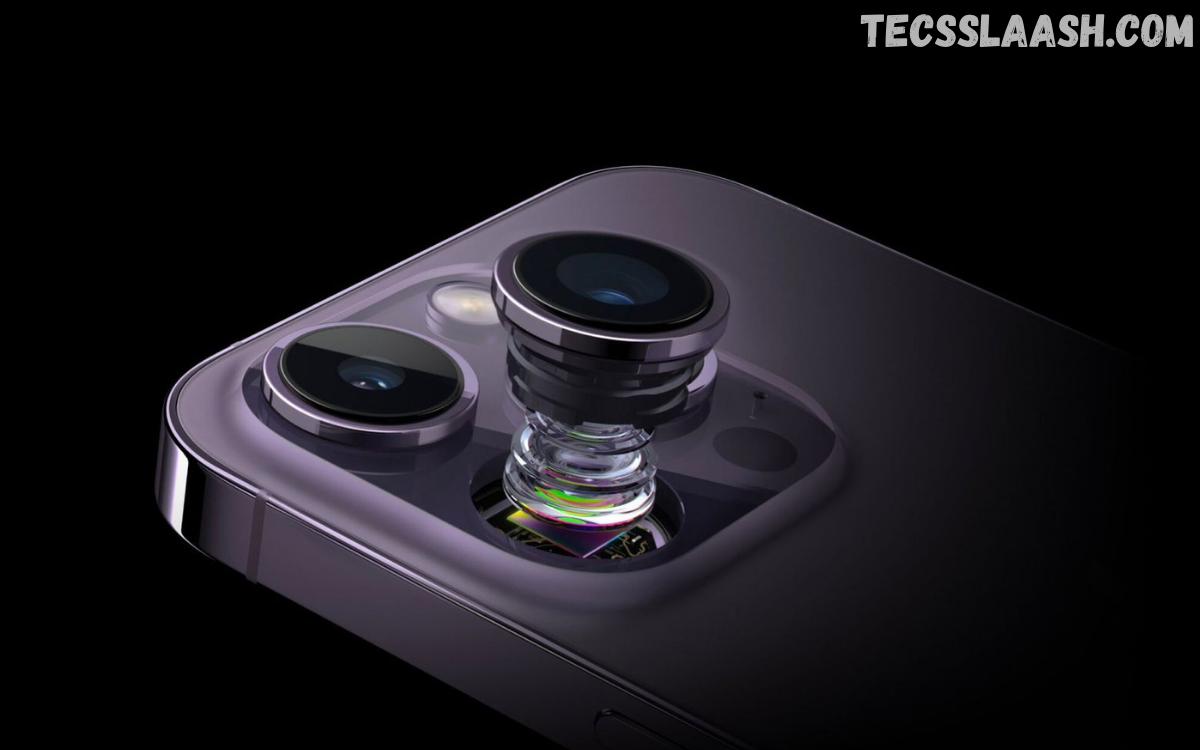
Smartphones have transformed photography by making high-quality imaging accessible to everyone. Modern devices now feature advanced sensors, artificial intelligence, computational photography, and sophisticated Phone camera lenses that deliver exceptional image quality.
The rapid evolution of mobile photography has created new opportunities for professionals who rely on smartphones for everyday photography and video production. Selecting the right Phone camera lenses, understanding their functions, and maintaining them properly can help you produce sharper images, more accurate colors, and greater creative flexibility without carrying bulky camera equipment.
About Phone Camera Lenses
Phone camera lenses are optical components that focus light onto the smartphone’s image sensor. Their primary purpose is to capture as much detail as possible while minimizing distortion, glare, and image noise. Modern smartphones often include multiple lenses that work together to produce images suitable for various shooting scenarios.
Manufacturers combine advanced glass elements, specialized coatings, image stabilization technologies, and computational photography to maximize performance. Instead of relying on a single lens, premium smartphones integrate multiple focal lengths, allowing users to switch between ultra-wide, standard, telephoto, and macro photography with ease.
Types of Phone Camera Lenses
Different photography situations require different focal lengths, making multiple Phone camera lenses essential for modern smartphones. Each lens serves a unique purpose and contributes to a more versatile photography experience suitable for professional and personal use.
The standard wide lens handles everyday photography, while ultra-wide lenses capture expansive landscapes and architecture. Telephoto lenses enable optical zoom for portraits and distant subjects, whereas macro lenses focus on extremely close objects with impressive detail. Some flagship devices also include periscope lenses that provide long-range optical zoom without increasing phone thickness.
How Phone Camera Lenses Improve Image Quality
The quality of Phone camera lenses directly affects image sharpness, color accuracy, contrast, and overall photographic performance. Premium lenses reduce optical imperfections such as chromatic aberration, flare, ghosting, and distortion while allowing more light to reach the camera sensor.
High-quality optics work alongside larger sensors and advanced image-processing software to create professional-looking photographs. Even in challenging lighting conditions, superior lenses contribute to cleaner images with better dynamic range, improved low-light performance, and enhanced detail retention.
Materials Used in Phone Camera Lenses
Modern Phone camera lenses utilize durable optical glass, precision-molded plastics, sapphire crystal protection, and anti-reflective coatings to maximize clarity and durability. Manufacturers carefully engineer each material to balance image quality, weight, and production costs.
Premium smartphones often include scratch-resistant lens covers that protect delicate optics from everyday wear. Advanced coatings minimize reflections and fingerprints while improving light transmission, ensuring consistently sharp and vibrant photographs in various environments.
The Role of Aperture in Phone Camera Lenses
Aperture determines how much light passes through Phone camera lenses before reaching the image sensor. A wider aperture, represented by smaller f-stop numbers such as f/1.6 or f/1.8, allows more light to enter, improving low-light photography and creating a shallower depth of field.
Professional photographers value wider apertures because they produce brighter images while enhancing subject separation. Combined with computational photography, wide apertures enable smartphones to generate attractive background blur and improve portrait photography even under difficult lighting conditions.
Optical Zoom Versus Digital Zoom
One of the biggest advantages of advanced Phone camera lenses is optical zoom. Unlike digital zoom, which enlarges pixels and reduces image quality, optical zoom uses dedicated telephoto lenses to magnify subjects while preserving detail and sharpness.
Digital zoom relies heavily on software enhancement, making images appear softer at higher magnification levels. Professionals generally prefer optical zoom whenever possible because it maintains natural image quality and delivers more reliable results for portraits, wildlife, sports, and event photography.
Macro Photography with Phone Camera Lenses
Macro Phone camera lenses allow photographers to capture intricate details of flowers, jewelry, insects, textures, and product photography. These specialized lenses focus at extremely short distances, revealing details invisible to the naked eye.
For professionals involved in e-commerce, product marketing, or scientific documentation, macro photography adds significant value. Proper lighting, stable positioning, and careful focus help maximize the performance of macro lenses while producing crisp, detailed close-up images.
Wide-Angle Phone Camera Lenses
Wide-angle Phone camera lenses capture a broader field of view than standard lenses, making them ideal for landscapes, architecture, travel photography, and large group photos. Their ability to include more elements within the frame creates visually engaging compositions.
Creative professionals often use wide-angle lenses for storytelling because they establish context while emphasizing foreground subjects. Understanding perspective distortion helps photographers compose more balanced images that maintain realistic proportions across the frame.
Read Also: AI Coding Assistants: Transforming Modern Software Development
Telephoto Phone Camera Lenses
Telephoto Phone camera lenses provide increased focal length for photographing distant subjects without sacrificing image quality. These lenses excel in portrait photography by producing flattering facial proportions and attractive background compression.
Professional photographers appreciate telephoto lenses for concerts, sporting events, wildlife, and corporate events where physical proximity to the subject is limited. Combined with optical image stabilization, telephoto lenses help produce consistently sharp images even at higher zoom levels.
Computational Photography and Phone Camera Lenses
Modern Phone camera lenses work closely with artificial intelligence and computational photography algorithms. Rather than relying solely on optical hardware, smartphones process multiple exposures simultaneously to improve detail, dynamic range, color accuracy, and noise reduction.
This combination allows professionals to capture publication-quality photographs using compact devices. Features such as HDR, Night Mode, portrait enhancement, and AI scene recognition maximize lens performance while reducing the need for extensive manual editing.
Choosing the Right Phone Camera Lenses
Selecting the best Phone camera lenses depends on photography style, professional requirements, and budget. Portrait photographers prioritize telephoto lenses, travel creators benefit from ultra-wide options, while product photographers often require dedicated macro capabilities.
Evaluating sensor size, aperture, stabilization, autofocus speed, lens coatings, and software processing provides a more complete understanding of camera performance. Professionals should consider the entire imaging system rather than focusing solely on megapixel counts.
Maintaining Phone Camera Lenses
Keeping Phone camera lenses clean is essential for maintaining image quality. Dust, fingerprints, oils, and scratches reduce sharpness while introducing glare and unwanted artifacts that negatively affect photographs and videos.
Regular cleaning with a microfiber cloth and lens-safe cleaning solution helps preserve optical clarity. Using protective cases, avoiding abrasive materials, and storing smartphones carefully reduces the risk of permanent lens damage during everyday use.
Accessories for Phone Camera Lenses
Professional photographers often expand the capabilities of Phone camera lenses using external accessories. Clip-on lenses, filters, stabilizers, tripods, and lighting equipment enable greater creative control while improving image consistency.
Neutral density filters help control exposure in bright environments, while polarizing filters reduce reflections and enhance color saturation. External lenses can also provide specialized focal lengths that complement the smartphone’s built-in camera system.
Common Mistakes When Using Phone Camera Lenses
Many users unknowingly reduce the effectiveness of Phone camera lenses by neglecting basic photography practices. Dirty lenses, excessive digital zoom, poor lighting, unstable shooting positions, and incorrect focus frequently result in lower-quality images.
Professionals improve consistency by cleaning lenses before every shoot, using natural or controlled lighting, maintaining stable camera positioning, and selecting appropriate focal lengths for each subject. Small improvements in technique often produce significant gains in image quality.
Future Trends in Phone Camera Lenses
The future of Phone camera lenses continues to evolve with innovations in optical engineering, artificial intelligence, variable apertures, liquid lenses, and enhanced computational imaging. Smartphone manufacturers are investing heavily in research to narrow the gap between mobile devices and professional cameras.
Upcoming developments will likely improve zoom capabilities, low-light performance, autofocus precision, and video quality while maintaining compact smartphone designs.
Frequently Asked Questions
What are Phone camera lenses?
Phone camera lenses are optical components that focus light onto a smartphone’s image sensor, enabling users to capture clear, detailed photos and videos in various shooting conditions.
Why do smartphones have multiple camera lenses?
Multiple lenses allow smartphones to capture different types of images, such as ultra-wide landscapes, standard photos, telephoto zoom shots, and detailed macro photography without sacrificing image quality.
Do Phone camera lenses affect photo quality?
Yes. High-quality Phone camera lenses improve sharpness, color accuracy, low-light performance, and overall image clarity while reducing distortion and unwanted reflections.
What is the difference between optical zoom and digital zoom?
Optical zoom uses dedicated camera lenses to magnify a subject while maintaining image quality, whereas digital zoom enlarges the image using software, which can reduce sharpness.
How can I keep my Phone camera lenses clean?
Use a clean microfiber cloth to gently wipe the lenses and remove fingerprints, dust, and smudges. Avoid abrasive materials that may scratch the lens surface.
Are clip-on camera lenses worth buying?
Clip-on lenses can enhance smartphone photography by adding macro, fisheye, or wide-angle capabilities. Choosing a high-quality accessory ensures better image performance.
Which Phone camera lens is best for portraits?
A telephoto lens is generally the best option for portrait photography because it creates natural facial proportions and produces attractive background blur.
Can scratched Phone camera lenses be repaired?
Minor scratches may have little effect on image quality, but deep scratches often require professional repair or replacement of the lens cover to restore performance.
Why do my smartphone photos look blurry?
Blurry images can result from dirty lenses, camera movement, poor focus, insufficient lighting, or using excessive digital zoom instead of optical zoom.
How do I choose the best smartphone camera for photography?
Look for a smartphone with high-quality Phone camera lenses, optical image stabilization, a large image sensor, fast autofocus, and advanced computational photography features.
Conclusion
Phone camera lenses have become one of the most important innovations in modern mobile technology. Their combination of advanced optics, intelligent software, multiple focal lengths, and computational photography enables professionals to create exceptional visual content directly from their smartphones.
As smartphone cameras continue to evolve, investing time in learning about Phone camera lenses will remain valuable for photographers, marketers, creators, and businesses alike.

