


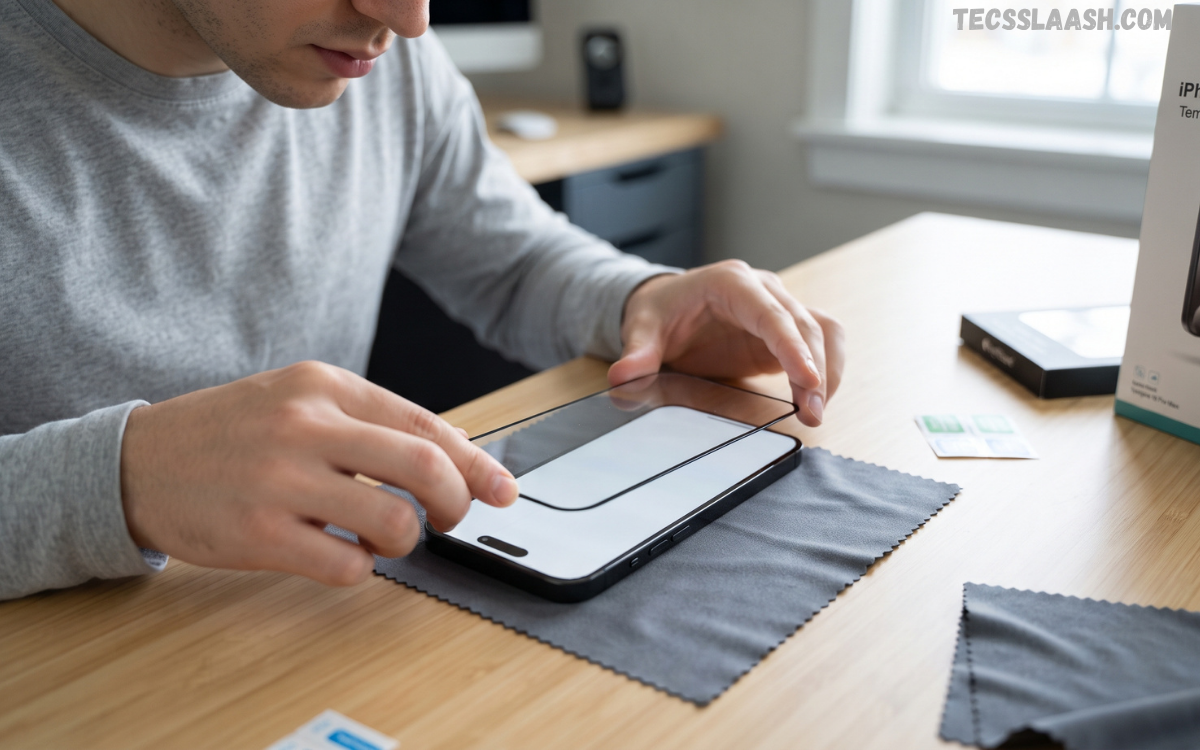
Modern smartphones, tablets, smartwatches, and laptops have become essential parts of daily life. These devices feature advanced displays that offer vibrant colors, high refresh rates, and excellent touch responsiveness. However, display replacement remains one of the most expensive repairs for any electronic device.
This is where tempered glass screen protectors become an excellent investment. Designed with specially treated glass, tempered glass provides an extra layer of protection against accidental drops, scratches, fingerprints, and everyday wear.
What Is Tempered Glass?
Tempered glass is specially processed safety glass manufactured through controlled heating and rapid cooling techniques. This process makes the glass several times stronger than ordinary glass while improving durability and impact resistance.
When used as a screen protector, tempered glass absorbs the impact from accidental drops before the force reaches the original display. Instead of damaging the phone screen, the protector often cracks first, protecting the expensive display underneath.
Modern tempered glass protectors are engineered to remain highly transparent, allowing users to enjoy original screen brightness, color accuracy, and touch sensitivity without noticeable differences.
Why Is Screen Protection Important?
A smartphone display represents one of the most expensive components of any mobile device. Even premium smartphones featuring Gorilla Glass or similar technologies remain vulnerable to scratches and accidental impacts.
Using tempered glass provides several advantages:
- Reduces damage from accidental drops
- Protects against scratches from keys and coins
- Preserves display clarity
- Maintains touch responsiveness
- Improves resale value
- Minimizes repair costs
- Protects oleophobic screen coating
- Prevents minor cracks from spreading
Replacing a broken display often costs significantly more than purchasing a quality tempered glass protector.
Features of High-Quality Tempered Glass
9H Hardness Rating
One of the most recognized features is the 9H hardness rating. This rating indicates strong resistance against scratches from common metal objects like keys and coins.
HD Transparency
Premium tempered glass maintains excellent image quality by allowing maximum light transmission. Colors remain vivid while brightness stays almost identical to the original display.
Oleophobic Coating
An oleophobic coating helps resist fingerprints, oils, and smudges. Cleaning the screen becomes easier, while the display stays clearer during daily use.
Bubble-Free Installation
Most quality protectors feature advanced silicone adhesive that enables easy, bubble-free installation with proper alignment.
High Touch Sensitivity
Modern tempered glass preserves fast touch response, making gaming, typing, and scrolling smooth and accurate.
Rounded Edges
2.5D or 3D rounded edges improve comfort while reducing the risk of edge chipping.
Shatter Resistance
Instead of breaking into dangerous sharp pieces, tempered glass typically cracks into smaller, safer fragments.
Types of Tempered Glass
Standard Tempered Glass
Designed for everyday users, this type covers the display surface while providing reliable protection at an affordable price.
Full-Cover Tempered Glass
Extends protection to curved edges, offering maximum screen coverage with a seamless appearance.
Privacy Tempered Glass
Privacy screen protectors limit viewing angles so only the user directly in front of the display can see screen content.
Matte Tempered Glass
Matte finishes reduce glare and fingerprints while providing smoother finger movement, making them popular among gamers.
Anti-Blue Light Tempered Glass
Filters portions of blue light emitted by displays, helping reduce eye strain during extended screen use.
Camera Lens Tempered Glass
Specially designed for smartphone camera modules, these protectors guard lenses against scratches without reducing photo quality.
Read Also: Top AI Image Generators for High-Quality Visuals
Benefits of Using Tempered Glass
Enhanced Protection
The primary advantage is improved impact absorption during accidental drops.
Better User Experience
Glass feels smoother than plastic screen protectors while maintaining original touch sensitivity.
Improved Display Life
By protecting against scratches and minor impacts, tempered glass extends display lifespan.
Easy Replacement
Replacing a cracked screen protector costs far less than replacing an entire smartphone display.
Cleaner Appearance
Oleophobic coatings reduce fingerprints, making the display look cleaner throughout the day.
Excellent Value
Considering the cost of display repairs, tempered glass provides exceptional value for a relatively small investment.
Tempered Glass vs Plastic Screen Protectors
Tempered glass offers better impact protection, superior touch response, higher transparency, and greater scratch resistance.
Plastic screen protectors remain thinner and more flexible but provide limited impact protection. They are more prone to scratches and usually require replacement sooner.
For most users, tempered glass remains the preferred choice because of its durability and premium feel.
How to Choose the Right Tempered Glass
Selecting the right screen protector depends on several important factors.
Device Compatibility
Always purchase tempered glass specifically designed for your smartphone model. Precise cutouts ensure compatibility with cameras, sensors, and speakers.
Thickness
Common thickness options include:
- 0.2 mm
- 0.26 mm
- 0.3 mm
- 0.33 mm
Thinner protectors offer better touch sensitivity, while slightly thicker versions may provide increased impact resistance.
Edge Design
Choose full-cover tempered glass for edge-to-edge displays and curved screens.
Case Compatibility
Some full-coverage protectors may interfere with phone cases. Look for case-friendly designs if you regularly use protective cases.
Brand Quality
Well-manufactured protectors generally feature stronger adhesives, improved coatings, and better durability than extremely cheap alternatives.
Special Features
Depending on your needs, consider:
- Privacy protection
- Anti-glare coating
- Blue light filtering
- Gaming optimization
- Anti-fingerprint coating
How to Install Tempered Glass Correctly
Proper installation ensures maximum protection and excellent appearance.
Step 1
Wash your hands thoroughly.
Step 2
Clean the display using the included alcohol wipe.
Step 3
Dry the screen completely with the microfiber cloth.
Step 4
Use a dust removal sticker to eliminate remaining particles.
Step 5
Carefully align the tempered glass with the device.
Step 6
Lower the protector slowly from one side.
Step 7
Allow the adhesive to spread naturally.
Step 8
Press gently to remove remaining air bubbles.
Avoid installing tempered glass in dusty environments.
Common Mistakes to Avoid
Many users reduce protection by making simple mistakes.
Avoid these errors:
- Buying the wrong size
- Ignoring dust particles
- Touching adhesive surfaces
- Reusing damaged protectors
- Applying excessive pressure
- Using cracked tempered glass
- Purchasing extremely low-quality products
How to Maintain Tempered Glass
Good maintenance keeps the protector looking new.
Helpful tips include:
- Clean regularly using microfiber cloths.
- Avoid harsh chemical cleaners.
- Replace severely cracked protectors immediately.
- Keep sharp metal objects separate from the display.
- Remove accumulated dust around edges.
- Store devices safely during travel.
Proper maintenance increases durability while preserving touch performance.
Signs You Should Replace Tempered Glass
Although tempered glass lasts a long time, replacement eventually becomes necessary.
Replace the protector when you notice:
- Deep scratches
- Large cracks
- Edge lifting
- Reduced touch response
- Air bubbles that continue spreading
- Poor visibility
- Chipped corners
Continuing to use damaged tempered glass reduces overall protection.
Is Tempered Glass Worth Buying?
Absolutely. Tempered glass remains one of the most affordable accessories for protecting expensive electronic devices. Compared to display replacement costs, investing in quality screen protection offers excellent long-term value.
Modern tempered glass protectors preserve display quality, improve durability, reduce repair expenses, and provide greater confidence during everyday use.
Whether you own an entry-level smartphone or a flagship device, installing tempered glass immediately after purchase remains one of the smartest decisions for long-lasting screen protection.
Frequently Asked Questions
Does tempered glass affect screen quality?
No. High-quality tempered glass maintains HD transparency while preserving brightness, colors, and touch sensitivity.
Can tempered glass break?
Yes. Tempered glass is designed to absorb impact. The protector may crack during a drop while protecting the original display underneath.
Is tempered glass waterproof?
Tempered glass itself does not make a device waterproof. It simply provides additional surface protection.
How long does tempered glass last?
Most quality tempered glass protectors last several months to over a year depending on usage and accidental impacts.
Should I install tempered glass myself?
Yes. Most modern screen protectors include installation kits that make application simple and bubble-free.
Conclusion
Tempered glass has become an essential accessory for smartphones, tablets, smartwatches, and other touchscreen devices. Its superior strength, scratch resistance, HD transparency, smooth touch response, and reliable impact protection make it one of the best investments for preserving expensive displays.
Choosing a high-quality tempered glass protector that fits your device correctly ensures maximum protection without sacrificing display quality or touch performance. Combined with careful installation and regular maintenance, tempered glass significantly reduces the risk of costly screen repairs while keeping your device looking and performing like new for years.

