


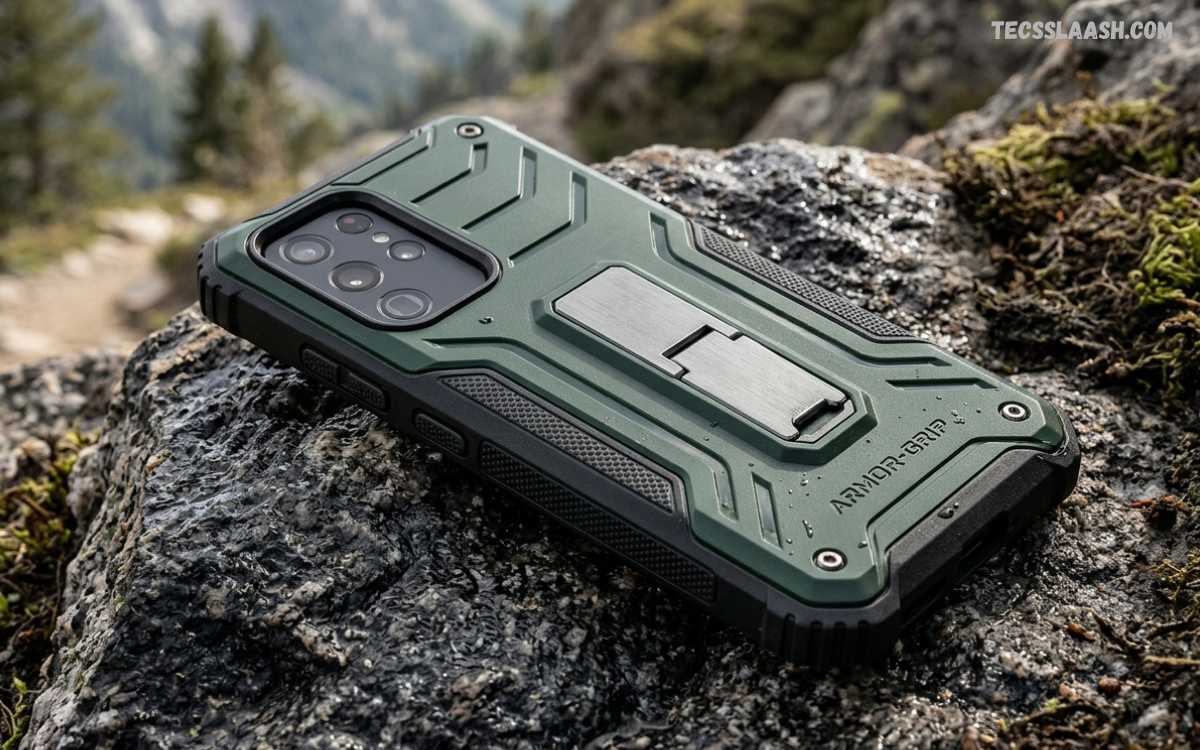
Smartphones are an essential part of modern life, making reliable protection more important than ever. A damaged screen, cracked corner, or broken camera can turn a simple accident into an expensive repair. Rugged phone cases provide a practical solution for users who want stronger protection without replacing their device.
Unlike basic phone covers, rugged designs focus on impact resistance, reinforced corners, raised edges, secure grip, and durable materials. They are built for everyday challenges such as accidental drops, bumps, scratches, and exposure to rough environments.
What Are Rugged Phone Cases?
Rugged phone cases are protective smartphone covers engineered to provide a higher level of resistance against impacts, drops, scratches, and everyday wear. Their construction commonly combines materials such as flexible TPU, polycarbonate, silicone, or reinforced composites.
The main purpose of rugged protection is to reduce the force transferred to a smartphone during accidental impacts. Reinforced corners, raised bezels, textured surfaces, and shock-absorbing materials can protect vulnerable areas of a device.
Why Do You Choose Rugged Phone Cases?
Modern smartphones feature sophisticated displays, cameras, frames, and internal components that can be costly to repair. A standard slim cover may protect against minor scratches but provide limited protection during serious drops.
Another advantage is everyday confidence. Users can carry their smartphones during commuting, travel, school, work, outdoor activities, or recreational use without worrying about every minor bump.
Key Features of Rugged Phone Cases
One of the most important features is impact protection. Rugged cases often use reinforced corners and shock-absorbing internal structures to distribute impact energy across the case rather than allowing concentrated force to reach the phone.
Grip is another important consideration. Textured sides or patterned surfaces can reduce accidental slips from the hand, desk, or other surfaces. Some rugged models include reinforced button covers, port protection, kickstands, screen protectors, or magnetic compatibility.
Multi-Layer Protection
Many rugged cases use a multi-layer construction to balance flexibility and strength. A softer inner layer can help absorb shock, while a harder outer shell provides structural protection. This combination can create a more effective protective system than relying on one material alone.
Multi-layer designs can also protect different parts of the smartphone simultaneously. The inner layer focuses on cushioning, the outer shell helps resist scratches and impacts, and reinforced edges provide additional support around vulnerable areas.
Shock Absorption and Drop Protection
Accidental drops are among the most common causes of smartphone damage. Rugged cases address this risk by using materials and structural designs intended to absorb and disperse impact energy. Flexible materials can cushion sudden impacts, while reinforced corners help protect areas that frequently hit the ground first.
Drop protection should not be judged only by case thickness. Internal cushioning, corner reinforcement, raised edges, material quality, and construction all influence protective performance. A professionally designed case can provide strong protection without becoming unnecessarily bulky or uncomfortable to hold.
Reinforced Corners Matter
Smartphone corners are particularly vulnerable during accidental falls. When a device lands on a corner, impact force can become concentrated in a small area. Rugged case manufacturers commonly reinforce these sections with additional material or specialized shock-absorbing structures.
Corner reinforcement can also support protection around the frame and display edges. Some cases use air-pocket structures or thicker sections around each corner to help reduce impact transmission. When comparing cases, users should examine corner construction rather than focusing only on the appearance of the outer shell.
Raised Edges for Screen Protection
A raised front bezel creates a small protective boundary around the smartphone display. When the phone is placed face-down, this raised edge can help prevent direct contact between the screen and the surface. It may also reduce the chance of scratches caused by rough desks, tables, counters, or outdoor surfaces.
Camera protection is equally important because modern smartphones often have large camera modules extending from the rear panel. Rugged cases may include raised camera surrounds that help keep lenses away from surfaces.
Materials Used in Rugged Phone Cases
TPU is widely used in protective cases because it combines flexibility, durability, and shock absorption. Its flexible characteristics allow manufacturers to create cases that fit smartphones securely while helping cushion everyday impacts.
Polycarbonate is another popular material because it offers strong structural rigidity and resistance to everyday wear. Some rugged cases combine polycarbonate with TPU to create a hybrid design.
Rugged Cases vs Slim Phone Cases
Slim cases prioritize minimal size, lightweight handling, and a close-to-original smartphone feel. They can provide useful protection against scratches and minor impacts while preserving the phone’s original shape. However, their reduced material and thinner construction may provide less protection against significant drops.
Rugged phone cases generally prioritize durability and impact resistance over minimal dimensions. They may add noticeable thickness and weight, but that additional structure can provide stronger protection for vulnerable components.
Rugged Phone Cases for Everyday Use
Rugged protection is not limited to construction workers or outdoor professionals. Everyday smartphone users can also benefit from stronger protection because accidents can happen during commuting, shopping, travel, exercise, or normal household activities.
For everyday use, balance is especially important. A case should provide enough protection without making the smartphone difficult to carry or operate.
Rugged Phone Cases for Outdoor Activities
Outdoor environments can expose smartphones to additional risks, including dust, rough surfaces, moisture, and accidental falls.
Users who spend considerable time outdoors should look beyond basic impact resistance. A suitable case may need better port coverage, stronger grip, raised edges, and additional environmental protection.
Rugged Phone Cases for Work
People working in demanding environments often place their smartphones near tools, equipment, hard surfaces, and other potential hazards. A rugged case can help reduce damage caused by accidental drops from desks, vehicles, work platforms, or pockets.
Work-focused protection should also consider accessibility. A case should allow quick access to buttons, cameras, charging ports, and speakers without requiring frequent removal.
Choosing the Right Rugged Phone Case
The first step is identifying the exact smartphone model. Even phones from the same product family can have different dimensions, button placements, camera arrangements, or charging-port positions. A case designed for another model may not provide proper protection or access to essential features.
Next, consider the level of protection required. Someone who mainly wants protection from occasional drops may prefer a moderate rugged design, while someone working outdoors may need reinforced construction and additional coverage.
Case Thickness and Weight
A thicker case can provide additional material around vulnerable smartphone components, but increased size may affect portability. Large cases can make pockets feel crowded and may be less comfortable for users who frequently hold their phones for extended periods.
Weight is another consideration. A rugged case should feel secure rather than unnecessarily heavy. Modern designs can use layered materials and reinforced structures to provide substantial protection without excessive bulk.
Grip and Handling
A secure grip can be one of the most useful benefits of a rugged case. Smooth smartphone surfaces can sometimes be difficult to hold, especially when hands are wet or when the device is being used while walking. Textured side panels can provide additional friction and make accidental slips less likely.
Grip design should also feel comfortable during regular use. Extremely aggressive textures may improve traction but become uncomfortable during extended handling. The best design provides enough surface texture to support secure handling while maintaining comfortable contact with the hand.
Wireless Charging Compatibility
Wireless charging has become a convenient feature on many modern smartphones. Some rugged cases can remain on the device while charging wirelessly, while thicker designs or certain materials may interfere with charging performance.
Magnetic accessories are another consideration for compatible smartphones. Some rugged cases include built-in magnetic components or support magnetic charging systems.
Camera Protection
Smartphone cameras have become increasingly advanced, but their exposed lenses remain vulnerable to scratches and surface contact. A rugged case with a raised camera surround can create additional separation between the camera module and surrounding surfaces.
Camera protection should never compromise photography. The case should provide accurate openings around lenses, sensors, and flash components. Poorly designed openings can create unwanted shadows, reflections, or obstructions.
Button and Port Protection
Buttons and ports require precise case engineering. Protective covers over volume and power buttons can help prevent dust and debris from reaching vulnerable areas while maintaining responsive operation. Charging-port covers can provide additional protection in dusty or outdoor environments.
Accessibility remains essential. Users should not need excessive force to press buttons or connect a charging cable. Properly designed rugged phone cases maintain the practical functionality of the smartphone while adding another protective barrier around sensitive areas.
Read Also: Shockproof Phone Cases: Complete Guide to Strong Smartphone Protection
Screen Protector Compatibility
Some rugged cases include integrated screen protection, while others are designed to work with separate tempered-glass or film protectors. Users who prefer additional display protection should check whether the case is compatible with their preferred screen protector.
A raised bezel can complement a separate screen protector by creating additional separation from surfaces. However, neither feature should be considered a guarantee against every type of screen damage.
Built-In Kickstands
A built-in kickstand can add practical value to a rugged case. It allows users to position the smartphone on a desk or other stable surface for watching videos, reading, video calls, or viewing information. Some designs also allow multiple viewing angles.
Kickstand construction should be strong enough for regular use without compromising the case’s protective structure. Users should also check how the kickstand folds into the case when not needed. A well-integrated design can provide extra functionality without creating an unnecessarily bulky profile.
Maintenance and Cleaning
Even the strongest case requires regular maintenance. Dust, dirt, and small particles can collect between the smartphone and case, potentially causing surface scratches over time. Removing the case periodically and cleaning both surfaces can help maintain a clean protective environment.
Cleaning methods depend on the case material and manufacturer’s instructions. In general, gentle cleaning with suitable materials is preferable to harsh chemicals that could affect finishes or textures. Allow the case and smartphone to dry properly before reassembly to prevent trapped moisture.
When Should You Replace a Rugged Phone Case?
A rugged case should be inspected regularly for cracks, severe deformation, loose sections, or damaged corners. A case that has experienced a significant impact may have absorbed force even if the external damage appears minor.
Replacement may also be appropriate when the case no longer fits securely. Loose edges, stretched materials, broken button covers, or damaged port covers can reduce protection and usability. Replacing a worn case can restore the protective barrier and help maintain the phone’s overall condition.
Common Mistakes When Buying Rugged Phone Cases
One common mistake is choosing a case based only on appearance. A rugged-looking exterior does not automatically indicate effective impact protection.
Another mistake is selecting the wrong smartphone model. Even a high-quality case cannot provide proper protection if its dimensions or camera openings do not match the device.
Are Rugged Phone Cases Worth It?
For users who regularly experience accidental drops, outdoor exposure, or demanding daily conditions, rugged phone cases can be a worthwhile investment. The additional protection may help reduce the risk of damage to expensive smartphone components.
The right choice depends on individual needs. Users who prioritize a lightweight, minimal design may prefer a slimmer protective case, while people who prioritize durability may accept additional size for stronger protection.
Frequently Asked Questions
Are rugged phone cases worth buying?
Yes, rugged phone cases can be a good choice for users who want stronger protection against accidental drops, bumps, scratches, and everyday wear. They are especially useful for outdoor activities, travel, demanding workplaces, and frequent smartphone use.
What makes a phone case rugged?
A rugged phone case typically uses durable materials, reinforced corners, shock-absorbing layers, raised edges, and textured surfaces. These features work together to provide stronger protection than many standard slim cases.
Do rugged phone cases protect against drops?
Rugged cases are designed to reduce damage from accidental drops by absorbing and distributing impact forces. Protection levels vary by design, so users should check the manufacturer’s stated drop-protection specifications.
Are rugged phone cases waterproof?
Not every rugged phone case is waterproof. Some models provide additional protection against water or dust, but users should look for a specific water-resistance or protection rating rather than assuming every rugged case offers waterproofing.
Do rugged phone cases protect the camera?
Many rugged cases include raised camera surrounds that help keep camera lenses away from surfaces. Proper camera openings also ensure that the case does not interfere with photography, flash operation, or other camera features.
Are rugged phone cases too bulky?
Some rugged cases are thicker and heavier than standard cases because they use additional protective materials. However, many modern designs balance durability with portability, making them comfortable enough for everyday use.
Can rugged phone cases work with wireless charging?
Many rugged phone cases support wireless charging, but compatibility depends on the case thickness, materials, and smartphone model. Users should verify wireless charging compatibility before purchasing.
Do rugged phone cases affect phone buttons?
A well-designed rugged case should protect buttons while keeping them responsive.
How often should a rugged phone case be replaced?
A rugged case should be replaced when it develops significant cracks, damaged corners, loose sections, or other signs of structural wear.
How do I choose the best rugged phone case?
Consider your smartphone model, protection requirements, case thickness, weight, grip, camera coverage, raised edges, charging compatibility, and overall construction.
Conclusion
Rugged phone cases offer a practical approach to protecting modern smartphones from many everyday risks. Reinforced corners, shock-absorbing materials, raised bezels, textured grips, and durable construction can help protect the device while preserving access to essential features.
Before choosing a rugged case, consider protection requirements, case thickness, weight, grip, camera coverage, button access, charging compatibility, and overall construction

