


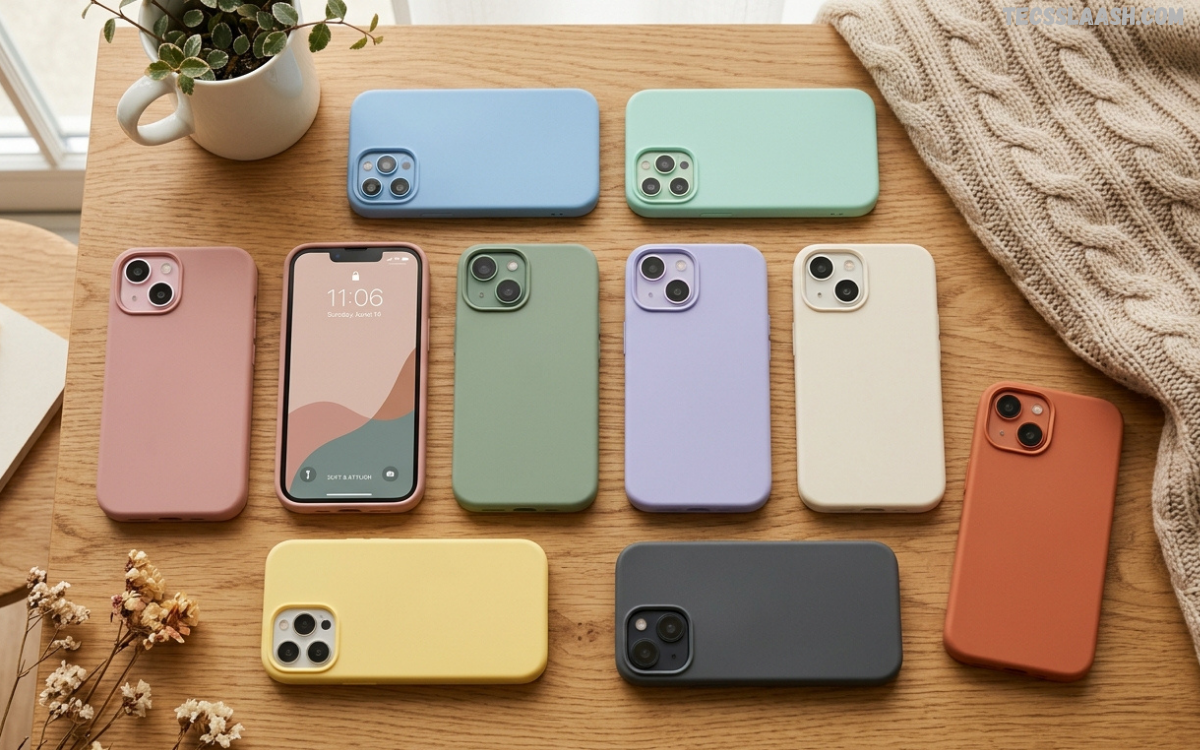
Soft phone cases offer a practical combination of protection, comfort, flexibility, and style for everyday smartphone users. Unlike rigid cases, soft phone cases are designed with flexible materials that can absorb minor impacts while providing a comfortable grip.
Modern smartphones require reliable protection because accidental drops, scratches, dust, and daily friction can affect their appearance and functionality. Choosing suitable soft phone cases can help protect a device without adding unnecessary bulk or weight.
What Are Soft Phone Cases?
Soft phone cases are flexible protective covers designed to fit around a smartphone. They are commonly manufactured from materials such as silicone, TPU, flexible rubber, or other soft polymers that provide cushioning and a comfortable feel.
The flexible construction makes these cases easy to install and remove. Many soft phone cases also feature raised edges around the screen and camera area, helping reduce direct contact with surfaces when the phone is placed down.
Why Choose Soft Phone Cases?
One of the biggest advantages of soft phone cases is their flexibility. A flexible case can fit closely around a smartphone while maintaining access to buttons, charging ports, speakers, cameras, and other important features.
Soft materials can also provide a more comfortable grip compared with some smooth hard cases. For people who frequently hold their phones while walking, working, studying, or traveling, a grippy surface can make everyday handling more convenient.
Benefits of Soft Phone Cases
Soft phone cases provide several practical benefits for everyday smartphone protection. Their flexible construction can help cushion minor impacts, while their lightweight design keeps the phone comfortable to carry.
Another benefit is convenience. Most soft phone cases can be installed without much effort and removed when needed. Many models also offer slim profiles, making them suitable for users who prefer protection without a bulky appearance.
Shock Protection and Impact Resistance
Impact resistance is an important feature when selecting a phone case. Soft materials can absorb and distribute some of the force created when a phone experiences a minor accidental drop or bump.
However, not every soft case provides the same level of protection. A case with reinforced corners, thicker edges, and shock-absorbing construction can provide more protection than an extremely thin flexible cover.
Soft Phone Cases for Everyday Use
Everyday smartphone users often need protection that balances durability with convenience. Soft phone cases can provide a lightweight layer of protection without significantly changing the phone’s original shape or handling.
For school, work, travel, shopping, and general daily activities, a flexible case can be a practical option. Choosing a design with good grip and reinforced edges can make the case more suitable for frequent use.
Silicone Phone Cases
Silicone phone cases are popular because of their soft texture and comfortable grip. The material generally feels smooth or slightly rubberized, allowing the phone to sit comfortably in the hand.
Silicone cases are available in numerous colors and styles, making them useful for people who want both protection and personalization. High-quality silicone can also provide a pleasant surface that feels comfortable during extended phone use.
TPU Phone Cases
TPU, or thermoplastic polyurethane, is another common material used in soft phone cases. TPU combines flexibility with durability, making it suitable for cases designed for regular smartphone use.
Many TPU cases are transparent or semi-transparent, allowing the original phone color and design to remain visible. TPU can also be molded into precise shapes that accommodate buttons, cameras, ports, and device edges.
Transparent Soft Phone Cases
Transparent soft phone cases are designed for users who want protection without covering the original appearance of their smartphone. Clear designs allow the phone’s color and finish to remain visible.
One consideration with transparent cases is long-term appearance. Some materials can develop discoloration over time because of environmental exposure, handling, and material aging, so checking the construction and customer information before buying can be helpful.
Slim Soft Phone Cases
Slim soft phone cases focus on maintaining the original feel and dimensions of a smartphone. They typically use a thin layer of flexible material that provides basic protection against everyday scratches, scuffs, and minor impacts.
A slim design can also make wireless charging, pocket storage, and one-handed handling more convenient. Users who dislike bulky protective accessories often prefer slim soft phone cases for this reason.
Heavy-Duty Soft Phone Cases
Heavy-duty soft phone cases provide additional protection through thicker materials, reinforced corners, raised edges, or multiple protective layers. They are designed for users who require more protection during demanding daily activities.
Although heavy-duty cases can provide greater protection, they may add more weight and thickness. Buyers should consider the balance between protection, portability, grip, and access to the phone’s features.
Soft Phone Cases With Raised Edges
Raised edges around the display can help prevent the screen from sitting directly against a flat surface. This design feature can be especially useful when placing the smartphone face down on a desk or table.
Camera protection is another important consideration. A case with a slightly raised camera surround can help reduce direct contact between camera lenses and surfaces, although screen protectors and camera protection accessories may provide additional coverage.
Soft Phone Cases and Wireless Charging
Many modern smartphones support wireless charging, making case compatibility an important consideration. A thin soft case generally has less material between the phone and charging surface.
However, thicker cases, metal components, magnetic accessories, or certain specialized designs can affect charging performance. Always check the case manufacturer’s compatibility information when wireless charging is important to your daily routine.
Soft Phone Cases With MagSafe Compatibility
For compatible smartphones, MagSafe-style magnetic accessories can make case selection more specific. A compatible soft case may include an integrated magnetic ring or another design intended to work with magnetic accessories.
If you use magnetic chargers, wallets, stands, or mounts, check whether the soft phone case specifically supports the required magnetic system. General flexibility alone does not guarantee magnetic accessory compatibility.
Choosing the Right Soft Phone Case
Choosing the right soft phone case starts with identifying your exact smartphone model. Cases are designed around specific dimensions, camera arrangements, buttons, and port positions, so even similar phone models may require different cases.
Next, consider how much protection you need. A slim TPU case may be suitable for general daily use, while reinforced corners and thicker construction may be preferable for people who frequently expose their phones to drops and impacts.
Material Quality Matters
Material quality can significantly influence the lifespan and performance of a phone case. High-quality flexible materials generally maintain their shape and protective properties better than poorly manufactured alternatives.
When comparing soft phone cases, look for clear product specifications, accurate device compatibility, durable construction, and information about the material. A low price does not always represent the best long-term value.
Grip and Comfort
Grip is an important advantage of many soft phone cases. A slightly textured or rubberized surface can provide more control when holding a smartphone compared with some highly polished surfaces.
Comfort also depends on the case’s edges and thickness. Rounded edges and a precise fit can make a case more comfortable during extended use, particularly for people who spend considerable time holding their phones.
Soft Phone Cases for Different Lifestyles
Different users require different types of smartphone protection. Students may prefer lightweight cases with colorful designs, while professionals may choose simple finishes that complement a more formal appearance.
Travelers and outdoor users may prioritize stronger corner protection and raised edges. The ideal soft phone case depends less on appearance alone and more on how, where, and how frequently the smartphone is used.
Stylish Soft Phone Cases
Protection does not have to mean sacrificing personal style. Soft phone cases are available in numerous colors, patterns, textures, transparent finishes, and minimalist designs.
Some users prefer neutral colors and simple designs, while others choose bright colors or decorative patterns. Since a phone case is used every day, selecting a design that matches personal preferences can make the accessory more enjoyable to use.
Read Also: Magnetic Phone Cases: Complete Guide to Protection, Compatibility, and Features
Minimalist Soft Phone Cases
Minimalist cases are designed for users who prefer a clean and simple appearance. They typically focus on maintaining the smartphone’s original shape while adding a discreet protective layer.
A minimalist soft phone case can be particularly useful for people who frequently carry their phones in pockets or small bags. A slim profile reduces unnecessary bulk while still helping protect against everyday surface damage.
Color Options and Finishes
Soft phone cases are available in virtually every popular color, from transparent and neutral finishes to bold and vibrant shades. Color selection is primarily a matter of personal preference.
The finish can also affect the overall experience. Matte surfaces may reduce visible fingerprints, while glossy finishes can provide a smoother appearance. Textured surfaces can offer additional grip depending on the design.
How to Clean Soft Phone Cases
Regular cleaning can help maintain the appearance of a soft phone case. Before cleaning, remove the case from the smartphone and follow the manufacturer’s care recommendations.
For many basic cases, a soft cloth and mild soapy water can be suitable, but the exact cleaning method depends on the material and finish. Avoid harsh chemicals or abrasive cleaning methods unless the manufacturer specifically recommends them.
How Long Do Soft Phone Cases Last?
The lifespan of a soft phone case depends on material quality, usage, exposure to heat, cleaning practices, and everyday wear. A frequently used case may show signs of wear sooner than one used occasionally.
Signs that a case may need replacement include significant stretching, cracking, loose edges, damaged corners, or reduced protection around the phone. Replacing a worn case can help maintain proper coverage.
Soft Phone Cases vs Hard Phone Cases
Soft phone cases generally provide greater flexibility and a comfortable grip, while hard cases are usually more rigid. The choice depends on the user’s preferred balance between handling, appearance, and protection.
Hard cases can offer a firm structure, whereas soft cases are easier to bend and install. Some modern designs combine both approaches by using a hard outer structure with flexible protective sections.
Soft Phone Cases vs Wallet Cases
Wallet cases combine smartphone protection with storage for cards or other small items. Soft phone cases usually focus primarily on protecting the phone while maintaining a slimmer profile.
If you prefer carrying fewer separate accessories, a wallet-style design may provide useful functionality. If lightweight protection and easy access are more important, a traditional soft case may be more convenient.
Soft Phone Cases vs Bumper Cases
Bumper cases primarily focus on protecting the edges and corners of a smartphone. Soft phone cases can provide broader coverage across the back and sides of the device.
A bumper can preserve more of the phone’s original appearance, while a full soft case may provide more complete surface coverage. The right choice depends on how much of the phone you want the case to protect.
Common Mistakes When Buying Soft Phone Cases
One common mistake is purchasing a case without checking the exact smartphone model. Small differences in camera placement, dimensions, button locations, or charging ports can make a case incompatible.
Another mistake is choosing a case based only on appearance. Attractive designs are useful, but protection, material quality, fit, edge coverage, grip, and compatibility should also be considered before making a purchase.
How to Check Case Compatibility
Always verify the exact phone model before ordering a soft phone case. Product listings should clearly identify the supported device, and some cases may be available for several closely related models.
Pay particular attention to model names, screen sizes, camera configurations, and device generations. If you are uncertain about the model, checking the phone’s settings or manufacturer’s information can help identify it accurately.
Are Soft Phone Cases Worth Buying?
Soft phone cases can be a practical choice for users who want flexible, lightweight, and comfortable smartphone protection. Their variety of materials and designs makes them suitable for many different preferences.
The best option depends on the level of protection required and the features you value most. A well-fitting case made from durable material can provide useful everyday protection while maintaining a comfortable smartphone experience.
Tips for Buying Soft Phone Cases Online
When shopping online, carefully review the product description and compatibility information. Look for details about materials, dimensions, edge protection, charging compatibility, and included features.
Customer reviews can also provide useful information about fit, grip, durability, and appearance. However, reviews should be considered alongside the manufacturer’s specifications rather than used as the only source of information.
Caring for Your Soft Phone Case
Proper care can help extend the useful life of a soft phone case. Keep the case clean, avoid unnecessary exposure to extreme heat, and inspect it occasionally for signs of damage or stretching.
It is also useful to remove the case periodically and clean both the case and smartphone. Dust and debris can collect between the case and phone, potentially causing surface scratches through repeated movement.
Frequently Asked Questions
Are soft phone cases protective?
Soft phone cases can provide useful protection against scratches, everyday bumps, and some minor impacts. Protection varies significantly according to material, thickness, construction, and corner reinforcement.
Are silicone cases better than TPU cases?
Silicone and TPU have different characteristics, so the preferred material depends on the user’s priorities. Silicone is known for its soft feel and comfortable grip, while TPU offers a combination of flexibility and durability.
Do soft phone cases protect screens?
A soft phone case can help protect the screen when its design includes a raised bezel around the display. The raised edge can reduce direct contact between the screen and a flat surface.
Do soft phone cases protect cameras?
Many soft phone cases include raised camera surrounds that help reduce direct contact between camera lenses and flat surfaces. The amount of protection depends on the height and design of the camera area.
Can soft phone cases become loose?
Some soft cases can stretch or lose their original fit after extended use, particularly when made from lower-quality flexible materials or exposed to repeated removal and installation.
Do clear soft phone cases turn yellow?
Some clear flexible materials can discolor over time due to environmental exposure, heat, ultraviolet light, oils, and normal aging. The rate of discoloration varies by material and manufacturing quality.
Conclusion
Soft phone cases remain a practical option for smartphone users who want a balance of protection, flexibility, comfort, and style. Their lightweight construction makes them convenient for everyday use, while different materials and designs provide choices for different needs.
Before purchasing, focus on exact phone compatibility, material quality, protection level, grip, case thickness, camera coverage, raised edges, and charging compatibility.

