


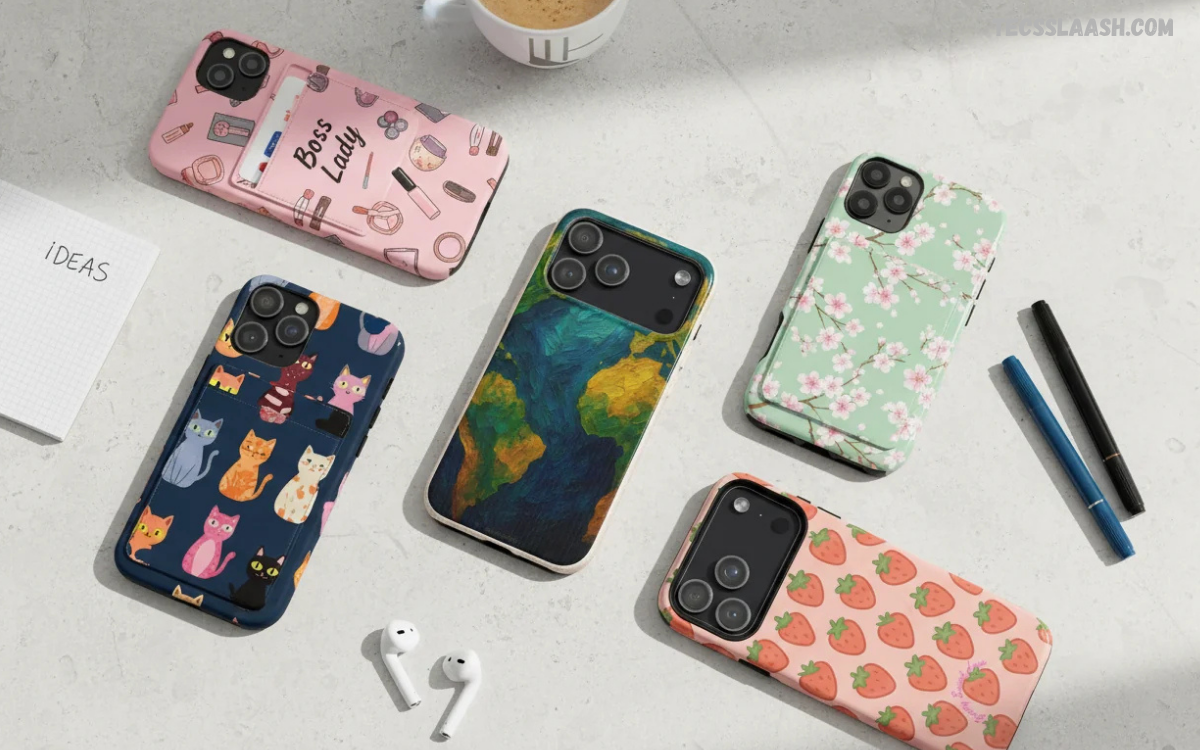
Choosing the right phone case becomes important when a smartphone travels between classrooms, backpacks, libraries, sports activities, and daily commutes. Student phone cases need to balance protection, comfort, appearance, durability, and affordability without making a device hard to use.
A good student phone case should handle common everyday situations such as accidental drops, scratches, bumps, and pressure inside a backpack. The best choice depends on the student’s phone model, lifestyle, preferred design, and budget.
Why Phone Cases Matter for Students
Students often carry smartphones throughout the day, making devices vulnerable to accidental drops and scratches. A protective case creates a barrier around the phone, helping reduce damage caused by everyday handling, desk surfaces, bags, and minor impacts.
A suitable case also protects the phone from cosmetic wear. Scratches, scuffs, and small dents can affect a device’s appearance and resale value. Choosing reliable phone cases for students can provide practical protection without adding unnecessary bulk.
What Makes a Good Student Phone Case?
A quality student case should combine dependable protection with comfortable everyday handling. Important characteristics include durable construction, raised edges, secure buttons, a reliable grip, accurate camera openings, and compatibility with charging accessories.
Weight also matters because students may carry phones for many hours. An extremely bulky case can make a smartphone uncomfortable to hold or store. A balanced design provides protection while maintaining the phone’s original portability.
Durable Materials for Student Phone Cases
Different materials provide different advantages. Silicone and flexible TPU cases are popular because they offer a comfortable grip and reasonable impact absorption. These materials can also make cases easier to install and remove when needed.
Hard polycarbonate cases provide a firmer structure and can offer strong resistance against scratches and everyday impacts. Hybrid cases combine flexible and rigid materials to create additional protection around vulnerable areas while maintaining a practical profile.
Slim Phone Cases for Students
Slim cases appeal to students who prefer lightweight protection. Their compact designs preserve much of the phone’s original shape, making the device easier to place inside pockets, backpacks, and small compartments.
A slim case may offer enough protection for everyday scratches and minor bumps, but students who frequently drop their phones may prefer reinforced corners and extra edge protection. Checking the case construction before purchasing can prevent unsuitable choices.
Shockproof Phone Cases for Students
Shockproof cases focus on reducing the effect of accidental impacts. Reinforced corners, flexible materials, raised bezels, and layered construction can help protect vulnerable phone areas during everyday accidents.
Students who play sports, travel frequently, or regularly carry phones in crowded environments may appreciate extra impact protection. However, a protective design should still allow convenient access to buttons, ports, speakers, and cameras.
Clear Phone Cases for Students
Clear cases protect the phone while keeping the original design visible. They work well for students who prefer a simple look or want to show off the smartphone’s original color.
Many clear cases use flexible materials that provide a comfortable grip. Before choosing a transparent case, check its resistance to discoloration and scratches, particularly if the phone will receive heavy daily use.
Stylish Phone Cases for Students
A phone case can also reflect personal preferences through colors, patterns, graphics, textures, and minimalist designs. Students have many options ranging from simple solid-color cases to creative printed designs.
Style should complement practical protection, not replace it. A visually appealing case with weak construction may offer limited value, while a well-designed protective case can combine appearance with everyday durability.
Affordable Phone Cases for Students
Budget-friendly cases can provide useful protection without requiring a large investment. Students can compare materials, construction, protection features, and customer feedback before selecting an affordable option.
The lowest-priced case is not always the most economical choice. A case that cracks quickly or provides poor protection may require frequent replacement. A reasonably priced durable case can offer better long-term value.
Protective Features to Look For
Several features can improve a student phone case’s protective performance. Raised camera edges can keep camera lenses off flat surfaces, while raised screen bezels can provide extra separation between the display and surrounding surfaces.
Reinforced corners are another useful feature because corners often take impacts during accidental drops. A textured back or side grip can also make the phone easier to hold, potentially reducing accidental slips during everyday use.
Phone Cases With Raised Edges
Raised edges around the screen and camera area can provide an additional layer of physical separation. When the phone rests on a flat surface, these edges can help prevent direct contact with sensitive components.
Students who frequently place their phones on desks, tables, or library surfaces may find raised edges particularly practical. The design should remain comfortable to hold while providing adequate clearance around vulnerable areas.
Phone Cases With Strong Grip
A secure grip can make a major difference during everyday smartphone use. Smooth phone surfaces can be difficult to hold, especially when hands are wet or students are moving between classrooms.
Cases featuring textured sides, soft-touch materials, or patterned surfaces can improve handling. A comfortable grip can make activities such as taking photos, checking messages, or browsing educational resources easier.
Phone Cases for Students Who Travel
Students who commute to school, college, or university may expose their phones to more frequent movement. Smartphones can move inside backpacks, pockets, public transport bags, and crowded spaces throughout the day.
A travel-friendly case should provide dependable protection without excessive weight. Reinforced corners, a secure grip, and durable materials can make the phone better suited to an active daily routine.
Phone Cases for College Students
College students often need phone cases that suit a wide range of activities. Students may use a smartphone for lectures, communication, navigation, photography, research, entertainment, and campus services.
A versatile case can support these activities while protecting the device from everyday wear. Minimalist designs, durable materials, and easy access to charging ports can make a case especially practical for college environments.
Phone Cases for School Students
Younger students may benefit from cases designed around durability and grip. Phones can encounter more movement during school days, extracurricular activities, sports, and transportation.
A case with reinforced corners and a textured surface can provide useful everyday protection. Simple designs may also be preferable when durability and easy maintenance are more important than decorative features.
Phone Cases for Students Who Play Games
Students who use their phones for gaming may want a case that provides protection without interfering with hand positioning. Excessive thickness around the sides can sometimes make prolonged gaming less comfortable.
A suitable gaming-friendly case should provide a secure grip and easy access to buttons and controls. Ventilation and heat management also deserve consideration when a phone is regularly used for demanding applications.
Phone Cases With MagSafe Compatibility
Students using compatible smartphones may consider cases designed for magnetic accessories. MagSafe-compatible cases can support compatible chargers, wallets, stands, and other accessories while keeping the phone protected.
Before purchasing, students should confirm exact device compatibility. Magnetic accessory support can vary by phone model and case design, so check product specifications carefully.
Wallet Phone Cases for Students
Wallet-style cases combine phone protection with storage for a few cards. This design can be convenient for students who prefer carrying fewer items during short trips around campus or school.
However, wallet cases can get thicker when you store multiple cards inside. Students should choose a design that securely holds cards while keeping the phone comfortable to carry and use.
Phone Cases With Card Holders
Card-holder cases provide a simple alternative to traditional wallet designs. Some cases include a dedicated rear compartment, while others use detachable accessories.
This type of case can reduce the number of separate items a student needs to carry. Before choosing one, check the security of the card compartment and ensure the additional thickness does not interfere with wireless charging.
Eco-Friendly Phone Cases for Students
Sustainability has become an important consideration for many consumers. Some manufacturers offer cases made from recycled materials, plant-based materials, or other alternatives designed to reduce reliance on conventional plastics.
Students interested in environmentally conscious products should examine material claims carefully. Durability remains important because a longer-lasting case may reduce the need for frequent replacements.
Waterproof Phone Cases for Students
Water-resistant or waterproof cases can provide extra protection in situations involving rain, splashes, or accidental liquid exposure. This can be useful for students who spend a lot of time outdoors.
Protection levels vary significantly between products. Students should review the manufacturer’s specifications rather than assuming every case provides complete waterproof protection.
Phone Cases for Students With Camera Protection
Modern smartphones often feature advanced camera systems with exposed lenses. A case with raised camera protection can help reduce contact between lenses and hard surfaces.
Students who frequently take photos for projects, events, social media, or everyday memories may particularly value camera protection. The case should maintain adequate clearance without blocking lenses or affecting camera performance.
Phone Cases for Students With Screen Protection
A protective case can work alongside a screen protector to provide broader device protection. The case protects the frame and edges, while a compatible screen protector helps guard the display surface.
Compatibility matters because some cases may push against poorly fitted screen protectors. Checking product compatibility before purchase can help prevent lifting, gaps, or installation problems.
How to Choose the Right Phone Case
Start by identifying the exact smartphone model. Even phones with similar dimensions can have different camera layouts, button positions, or port configurations. An incorrectly sized case may provide poor protection.
Next, consider daily activities, preferred style, budget, and protection requirements. Students who primarily use phones indoors may choose a slimmer design, while students with active routines may benefit from stronger impact protection.
Phone Case Size and Weight
Case thickness affects both protection and portability. A heavy case may offer stronger structural protection but can make a smartphone feel less comfortable inside a pocket or backpack.
Students should look for a practical balance between protection and weight. A moderate-profile case with reinforced corners can provide useful protection without turning a compact smartphone into a noticeably bulky device.
Read Also: Best Slim Phone Cases: A Complete Guide for Stylish Everyday Protection
Checking Phone Case Compatibility
Always confirm compatibility before buying. The exact phone model, generation, screen size, camera configuration, and charging features can affect whether a case fits correctly.
Students should check the manufacturer’s compatibility information and compare the listed model with their phone settings. This simple step can prevent problems involving misaligned cameras, buttons, speakers, or charging ports.
Cleaning and Maintaining Phone Cases
Regular cleaning can help keep a phone case looking fresh. Dust and debris can accumulate around corners, buttons, camera openings, and the inside surface between the case and phone.
Remove the case according to the manufacturer’s recommendations and clean it with an appropriate method for its material. Also check the phone for dust before reinstalling the case.
When Should a Student Replace a Phone Case?
Inspect a case regularly for cracks, severe stretching, loose sections, damaged corners, or other signs of deterioration. A heavily damaged case may no longer provide the protection it was designed to offer.
Replacement timing depends on material quality and usage. Students who frequently drop their phones or use them in demanding environments may need to replace protective cases sooner than users with lighter daily use.
Common Mistakes When Buying Student Phone Cases
One common mistake is choosing a case based only on appearance. Attractive graphics and colors can be appealing, but they do not indicate impact protection, material quality, or durability.
Another mistake is ignoring phone compatibility. Students should verify the exact device model and check key features such as camera clearance, charging access, wireless charging compatibility, and button coverage before buying.
How Much Should Students Spend on a Phone Case?
The right budget depends on the smartphone’s value, daily usage, and required protection. Students do not necessarily need the most expensive case, but extremely cheap options may compromise materials or construction.
Comparing several cases within a chosen budget can reveal meaningful differences in protection, design, and durability. Paying for useful features rather than unnecessary extras can provide better overall value.
Phone Case Colors and Designs
Students can choose from a wide range of colors and visual styles. Neutral tones can create a clean appearance, while brighter colors and patterns can make a phone easier to identify.
Design preferences are personal, but practicality should remain important. A case with a comfortable texture, visible edges, and a durable finish may last longer than one chosen solely for its appearance.
Minimalist Phone Cases for Students
Minimalist cases focus on simple construction, clean designs, and low visual bulk. They can suit students who prefer a professional appearance for school, college, university, or work-related environments.
Minimalist design doesn’t necessarily mean weak protection. Look for slim cases that still include raised edges, durable materials, and reinforced areas around the phone’s most vulnerable components.
Phone Cases for Students and Daily Organization
A well-designed case can complement a student’s daily organization. Features such as card storage, magnetic compatibility, secure grips, or easy-access ports can make smartphone use more convenient.
The case should support, not complicate, everyday routines. Before choosing additional features, students should consider how they store, charge, carry, and use the phone throughout the day.
Buying Phone Cases Online
Online shopping provides access to a broad selection of cases for different phone models. Students can compare specifications, materials, dimensions, compatibility information, and customer feedback before purchasing.
Examine product descriptions carefully because photographs alone may not show case thickness or construction. Checking return policies can also provide reassurance if the case doesn’t fit the device correctly.
Reading Phone Case Reviews
Reviews can provide useful information about grip, durability, fit, button responsiveness, material quality, and long-term appearance. However, individual experiences can vary depending on how you use it.
Look for repeated comments about the same characteristics rather than relying on one review. Consistent feedback can provide a clearer picture of how a particular case performs during everyday use.
Phone Cases for Students: Protection vs. Style
Protection and style do not have to be separate priorities. Modern cases are available in many designs that combine impact-resistant construction with attractive finishes, colors, textures, and patterns.
Students should identify their primary needs before choosing a design. Someone concerned about accidental drops may prioritize reinforced construction, while another student may prioritize slimness and appearance.
Frequently Asked Questions
What are the best phone cases for students?
The best phone cases for students combine reliable protection, comfortable handling, durable materials, and an affordable price. A good case should also fit the exact phone model and provide easy access to buttons, cameras, speakers, and charging ports.
Should students choose a slim or protective phone case?
The choice depends on daily usage and protection needs. Slim cases are lightweight and easy to carry, while protective cases usually provide stronger impact resistance through reinforced corners and thicker construction.
Are clear phone cases good for students?
Clear phone cases can be a practical choice for students who want protection while keeping the phone’s original design visible. Look for durable materials and good resistance to scratches or discoloration.
What material is best for student phone cases?
TPU, silicone, polycarbonate, and hybrid materials are commonly used for phone cases. TPU offers flexibility and grip, while polycarbonate provides a firmer structure. Hybrid cases combine different materials for balanced protection.
How much should students spend on a phone case?
Students can choose a case based on their phone’s value, daily usage, and required protection. A reasonably priced durable case can provide better long-term value than an inexpensive case that needs frequent replacement.
Do phone cases protect against drops?
Many protective phone cases are designed to reduce damage from everyday drops and impacts. Features such as reinforced corners, shock-absorbing materials, and raised edges can improve protection.
Can students use wireless charging with a phone case?
Many modern cases support wireless charging, but thicker or accessory-focused designs can sometimes affect charging performance. Check the case specifications to confirm compatibility with the phone and charger.
How often should students replace a phone case?
Replacement depends on the case’s condition and how heavily it is used. Cracks, loose edges, severe stretching, or damaged protective sections may mean it’s time to replace it.
Are wallet phone cases useful for students?
Wallet phone cases can be useful for students who want to carry a few cards with their smartphone. They can reduce the number of items needed for short trips while protecting the phone.
How can students choose the right phone case?
Students should first confirm the exact phone model, then consider protection level, material, size, grip, design, features, and budget. Comparing these factors helps identify a case suited to everyday student life.
Conclusion
The best phone cases for students should match the user’s phone, daily routine, protection requirements, preferred appearance, and budget. Features such as reinforced corners, raised edges, durable materials, comfortable grips, and accurate cutouts can improve everyday usability.
Students should avoid choosing a case based solely on price or appearance. By checking compatibility, materials, protection features, reviews, and long-term durability, students can select a case that provides practical smartphone protection throughout school, college, university, and daily activities.

