


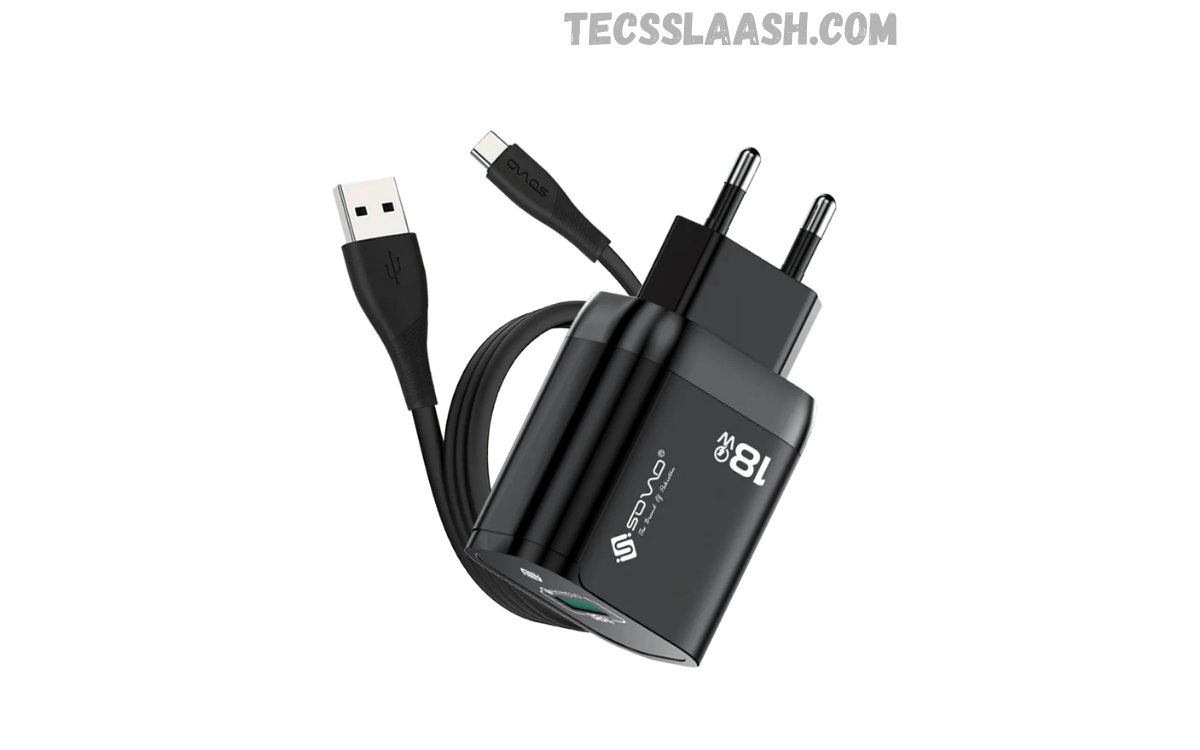
Fast chargers have become an essential part of today’s technology-driven world, meeting the growing demand for quicker, safer, and more efficient charging solutions. As smartphones, laptops, tablets, wearable devices, electric vehicles (EVs), and industrial equipment continue to evolve, the need for reliable charging infrastructure has increased significantly. Traditional charging methods often require extended periods to fully recharge batteries, leading to downtime that affects productivity and convenience.
Modern fast charging technology incorporates sophisticated features such as dynamic voltage regulation, thermal management, overcurrent protection, and real-time communication between the charger and the connected device. These innovations ensure that charging remains both rapid and secure without compromising battery performance or longevity.
About Fast Chargers
Fast chargers are charging devices designed to deliver higher electrical power than conventional chargers, allowing batteries to recharge in considerably less time. Unlike standard chargers that provide limited current and voltage, fast chargers dynamically adjust power delivery according to device requirements, battery condition, and charging protocols. This intelligent approach maximizes charging efficiency while maintaining safe operating conditions.
The effectiveness of fast charging depends on multiple factors, including battery chemistry, charger capacity, cable quality, thermal management, and device compatibility. Advanced charging systems continuously communicate with connected devices to determine the optimal charging profile, ensuring efficient power transfer without generating excessive heat or reducing battery lifespan.
How Fast Chargers Work
Fast chargers utilize sophisticated power management systems that regulate voltage and current throughout the charging cycle. During the initial phase, the charger delivers maximum safe current to rapidly increase battery capacity. As the battery approaches full charge, the charging rate gradually decreases to prevent overcharging and maintain battery health. This process, known as constant current and constant voltage charging, ensures both speed and safety.
Modern charging controllers incorporate intelligent monitoring systems that track battery temperature, voltage, resistance, and charging status in real time. These systems automatically modify charging parameters whenever operating conditions change, reducing the risk of overheating, electrical faults, or battery degradation while maintaining optimal charging performance.
Types of Fast Chargers
Fast chargers are available in various configurations depending on application requirements. USB fast chargers are widely used for smartphones, tablets, wireless accessories, and laptops, supporting protocols such as USB Power Delivery and Quick Charge. These compact solutions provide rapid charging while maintaining compatibility across multiple electronic devices.
High-capacity fast chargers serve electric vehicles, industrial equipment, medical devices, warehouse automation systems, and commercial transportation. These systems deliver significantly higher power levels and often include advanced cooling technologies, intelligent monitoring software, and network connectivity for remote diagnostics and energy management.
Key Technologies Behind Fast Chargers
Power conversion technology plays a crucial role in modern fast charging systems. Gallium Nitride (GaN) and Silicon Carbide (SiC) semiconductors have improved charger efficiency by reducing energy losses, minimizing heat generation, and enabling smaller charger designs. These materials support higher switching frequencies, allowing engineers to create compact chargers with exceptional performance.
Intelligent communication protocols further enhance charging efficiency by enabling continuous data exchange between chargers and connected devices. The charger determines the maximum safe power level based on battery specifications, environmental conditions, and manufacturer recommendations. This adaptive communication minimizes charging time while protecting sensitive electronic components.
Benefits of Fast Chargers
The most significant advantage of fast chargers is reduced charging time. Businesses benefit from improved operational efficiency because employees, customers, and fleet operators spend less time waiting for equipment or vehicles to recharge. Increased equipment availability directly contributes to higher productivity and improved customer experiences.
Fast chargers also enhance convenience by supporting modern lifestyles that depend on continuous device availability. Professionals working remotely, field service technicians, logistics providers, healthcare organizations, and manufacturing facilities rely on rapid charging capabilities to maintain uninterrupted operations throughout demanding work schedules.
Fast Chargers for Electric Vehicles
Electric vehicle adoption has significantly increased demand for high-performance charging infrastructure. Fast chargers enable EV owners to recharge a substantial amount of battery capacity within minutes rather than several hours, making long-distance travel and commercial fleet operations more practical. Public charging stations equipped with high-power chargers improve accessibility while supporting broader electric mobility initiatives.
Commercial organizations operating delivery vehicles, buses, taxis, and logistics fleets particularly benefit from rapid charging technology. Shorter charging sessions reduce vehicle downtime, improve route scheduling, increase operational efficiency, and maximize asset utilization. As battery technology continues to advance, charging infrastructure will play an increasingly important role in transportation electrification.
Applications Across Industries
Fast chargers support diverse industrial sectors where reliable power availability directly influences operational performance. Healthcare organizations use rapid-charging systems for portable diagnostic equipment, patient monitoring devices, and emergency medical technologies that require continuous readiness. Manufacturing facilities depend on efficient charging solutions for automated guided vehicles, robotics, handheld scanners, and industrial communication equipment.
Retail, hospitality, aviation, telecommunications, education, construction, and public infrastructure also benefit from advanced charging technologies. Customer charging stations enhance visitor experiences, while industrial-grade charging systems improve workforce productivity by minimizing interruptions from depleted batteries in essential business equipment.
Safety Features in Modern Fast Chargers
Safety remains a fundamental consideration in charger design. Professional-grade fast chargers include comprehensive protection mechanisms against overcurrent, overvoltage, overheating, short circuits, reverse polarity, and excessive power consumption. These integrated systems continuously monitor operating conditions and automatically respond to abnormal electrical events before damage occurs.
Thermal management technologies further improve charger reliability by maintaining stable operating temperatures during high-power charging sessions. Intelligent cooling systems, heat-dissipation materials, and temperature sensors work together to prevent component degradation, extend charger service life, and maintain consistent performance under demanding operating conditions.
Choosing the Right Fast Chargers
Selecting suitable fast chargers requires evaluating power output, compatibility, certification, efficiency ratings, safety features, and long-term reliability. Professionals should ensure chargers support recognized charging standards while meeting the power requirements of existing and future devices. Certified products from reputable manufacturers typically provide greater reliability and regulatory compliance.
Organizations should also consider installation requirements, maintenance needs, environmental operating conditions, and scalability. Businesses planning infrastructure expansion benefit from modular charging systems that accommodate increased charging demand without requiring complete equipment replacement as technology evolves.
Read Also: Best DeepSeek Alternatives in 2026
Environmental Impact
Fast chargers contribute to sustainability by improving energy efficiency and supporting the transition toward electrified transportation and renewable energy systems. Modern charger designs minimize energy losses during power conversion, reducing electricity consumption compared to less efficient charging technologies.
The widespread availability of fast-charging infrastructure encourages greater adoption of electric vehicles and battery-powered equipment, helping to reduce greenhouse gas emissions associated with fossil fuel consumption.
Challenges and Limitations
Despite numerous advantages, fast chargers present several technical challenges. High-power charging generates increased heat, requiring advanced thermal management systems to protect batteries and electronic components. Frequent exposure to maximum charging rates may also accelerate battery aging if charging systems are not properly engineered or managed.
Infrastructure investment represents another significant consideration for commercial deployments. Installing high-capacity charging stations often requires electrical upgrades, utility coordination, energy management planning, and regulatory compliance. Organizations must carefully evaluate total ownership costs alongside anticipated operational benefits before implementing large-scale charging networks.
Future Trends
The future of fast chargers is closely linked to advances in battery chemistry, semiconductor materials, artificial intelligence, and smart energy management. Emerging technologies promise even faster charging speeds while reducing heat generation and improving battery longevity.
Wireless fast charging, bidirectional charging, vehicle-to-grid integration, renewable energy compatibility, and cloud-connected charging platforms will continue expanding market opportunities. These innovations will enable more efficient energy distribution while creating intelligent charging ecosystems that support smart cities, autonomous transportation, and increasingly connected industrial operations.
Best Practices for Businesses
Organizations implementing fast charging infrastructure should prioritize certified equipment, professional installation, preventive maintenance, and ongoing performance monitoring. Regular inspections help identify wear, electrical faults, connector damage, and software updates before they affect operational reliability. Staff training also ensures chargers are used safely and efficiently across different applications.
Energy management strategies should incorporate demand forecasting, load balancing, and integration with renewable energy sources whenever possible. Monitoring software provides valuable operational insights that enable organizations to optimize charger utilization, reduce electricity costs, improve equipment availability, and maximize long-term return on investment.
Frequently Asked Questions
What are Fast chargers?
Fast chargers are advanced charging devices that deliver higher power output than standard chargers, enabling compatible devices and batteries to recharge in significantly less time while maintaining safety and efficiency.
Are Fast chargers safe to use?
Yes, high-quality Fast chargers are designed with built-in safety features such as overvoltage, overcurrent, overheating, and short-circuit protection. Using certified chargers and compatible cables ensures safe operation.
Do Fast chargers damage battery life?
Modern Fast chargers use intelligent charging technology that adjusts power delivery based on the battery’s condition. While all rechargeable batteries naturally degrade over time, certified fast charging systems are engineered to minimize battery wear.
Can Fast chargers charge all devices?
Not all devices support fast charging. Both the charger and the connected device must be compatible with the same fast charging standard to achieve higher charging speeds.
What is the difference between a standard charger and a Fast charger?
A standard charger delivers lower power output and takes longer to recharge a battery. Fast chargers provide higher wattage and intelligent power management, reducing charging time considerably.
Which industries benefit the most from Fast chargers?
Industries such as automotive, healthcare, manufacturing, logistics, retail, telecommunications, construction, and information technology benefit from Fast chargers by reducing equipment downtime and improving operational efficiency.
What features should professionals look for in Fast chargers?
Professionals should look for high power output, compatibility with multiple charging protocols, energy efficiency, safety certifications, thermal protection, durable construction, and intelligent power management.
Can Fast chargers support electric vehicles?
Yes, dedicated Fast chargers are widely used for electric vehicles. They provide high-power charging that significantly reduces charging time compared to conventional EV chargers, making them ideal for public stations and commercial fleets.
Are Fast chargers energy efficient?
Modern Fast chargers are highly energy efficient because they use advanced power conversion technologies and intelligent charging controls that reduce energy loss while maximizing charging performance.
What is the future of Fast chargers?
The future of Fast chargers includes faster charging speeds, GaN and SiC semiconductor technology, AI-powered energy management, wireless fast charging, bidirectional charging, and greater integration with renewable energy and smart grid systems.
Conclusion
Fast chargers have become indispensable components of modern digital infrastructure, enabling rapid, reliable, and intelligent power delivery across consumer electronics, industrial systems, and electric transportation.
As industries embrace electrification, automation, and sustainable energy strategies, the role of fast chargers will become increasingly significant.

