


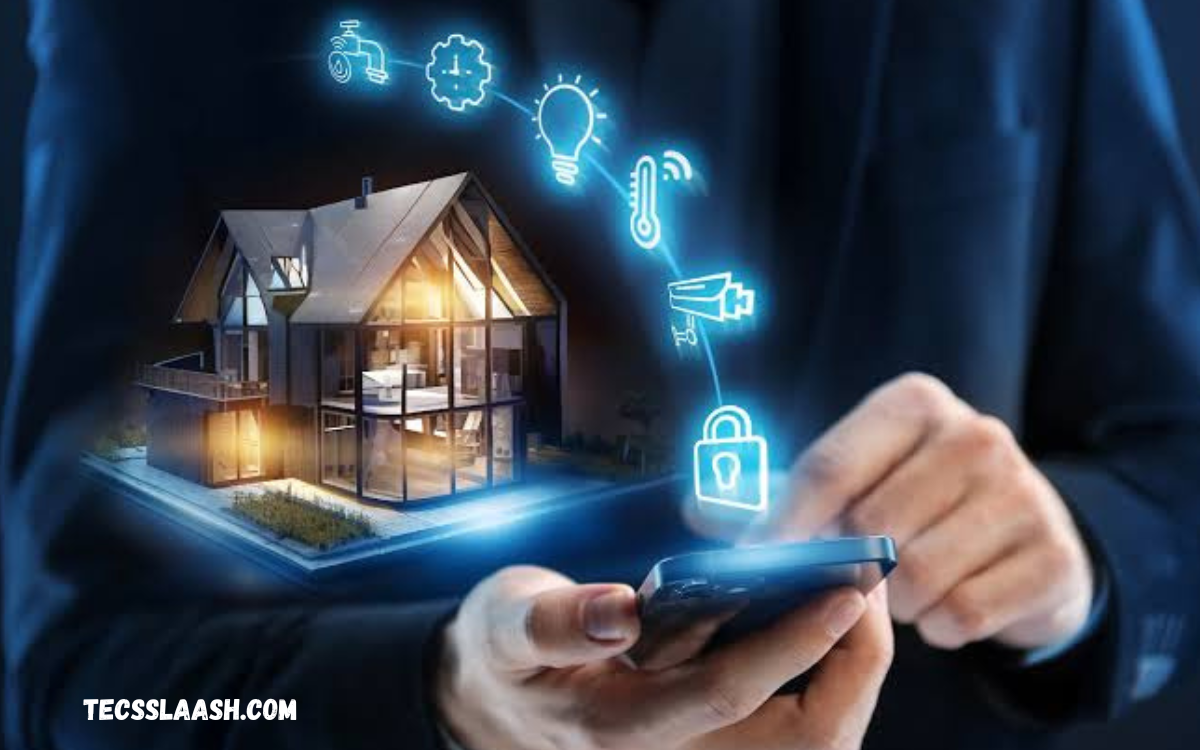
Smart home technology has transformed the way people interact with their living spaces. From intelligent lighting and automated thermostats to connected security systems and voice-controlled assistants, modern homes can now respond to occupants’ needs and habits.
Smart Home Technology: Modern Solutions for Connected Living is no longer limited to luxury properties or technology enthusiasts. Affordable devices, wireless connectivity, and user-friendly platforms have made connected living accessible to a much wider audience.
What Is Smart Home Technology?
Smart home technology refers to connected devices and systems that allow homeowners to monitor, control, and automate different aspects of their homes. These devices commonly communicate through wireless networks, mobile applications, smart hubs, or voice assistants, allowing multiple household functions to work together.
Modern smart homes can include lighting, heating and cooling, entertainment, appliances, locks, cameras, doorbells, sensors, and other connected equipment. Instead of operating every device manually, homeowners can create automated routines that perform tasks according to schedules, preferences, environmental conditions, or specific commands.
Connected Lighting for Better Comfort
Smart lighting is one of the simplest ways to introduce automation into a home. Connected bulbs, switches, and fixtures can be controlled through smartphones or voice commands, while schedules and motion sensors can automatically turn lights on or off when needed.
Smart lighting can also improve the atmosphere of different rooms. Homeowners can adjust brightness and, with compatible products, color temperature to create settings for working, relaxing, reading, or entertaining. Automated lighting can reduce unnecessary electricity use by switching lights off when rooms are empty.
Smart Thermostats and Energy Management
Smart thermostats provide a more intelligent approach to heating and cooling. Instead of maintaining the same temperature throughout the day, these systems can learn household routines, detect occupancy, and adjust settings based on schedules or environmental conditions.
Energy management is another important benefit of connected home technology. Smart plugs, energy monitors, and connected appliances can help homeowners understand how electricity is being consumed. This information can encourage more efficient habits and potentially reduce unnecessary energy usage over time.
Home Security and Smart Surveillance
Security is one of the strongest reasons homeowners adopt smart technology. Connected cameras, smart doorbells, motion sensors, window sensors, and intelligent locks can provide additional visibility around a property and allow users to monitor activity remotely.
Many modern security systems send instant notifications when unusual activity is detected. A homeowner may be able to view a camera feed, communicate through a smart doorbell, or check whether a door is locked without being physically present. These capabilities can provide greater awareness and convenience.
Smart Appliances for Everyday Convenience
Connected appliances are making routine household tasks easier. Smart refrigerators, ovens, washing machines, coffee makers, and robotic vacuum cleaners can offer remote controls, notifications, scheduling features, and automation options.
For example, a smart washing machine may notify the homeowner when a cycle has finished, while a robotic vacuum can clean according to a programmed schedule. These features do not eliminate household responsibilities, but they can make everyday routines more organized and manageable.
Voice Assistants and Centralized Control
Voice assistants have become an important part of many connected homes. Compatible systems can allow residents to control lights, thermostats, entertainment devices, locks, and other equipment using natural voice commands.
Centralized control can also be managed through smartphone applications or smart displays. Instead of switching between several controls, users can create a more unified experience where multiple devices are monitored and managed from a central interface.
Smart Home Automation and Routines
Automation is what makes smart home technology particularly useful. Individual devices become more valuable when they can interact with one another through predefined routines and triggers.
A morning routine, for example, could gradually turn on bedroom lights, adjust the thermostat, and provide useful information through a smart display. An evening routine could lock connected doors, turn off selected lights, lower the thermostat, and automatically activate security features.
Benefits of Connected Living
The biggest advantage of connected living is convenience. Homeowners can control devices remotely, automate repetitive tasks, and personalize their environment according to their daily routines. This can make household management simpler and more efficient.
Smart technology can also contribute to security, accessibility, and energy awareness. People with mobility challenges may benefit from voice controls and automated functions, while families can use connected sensors and notifications to maintain better awareness of their homes.
Read Also: Best Bluetooth Speakers: Top Picks, Features, and Buying Guide for 2026
Privacy and Smart Home Security
Although connected devices provide many benefits, privacy and cybersecurity should not be ignored. Smart cameras, speakers, locks, and other internet-connected products can collect or transmit sensitive information, making secure configuration an important part of responsible smart home ownership.
Homeowners should use strong, unique passwords, enable multi-factor authentication when available, keep device software updated, and secure their wireless network. Choosing reputable manufacturers with clear privacy and security policies can also reduce potential risks.
Choosing the Right Smart Home Devices
The best smart home setup depends on individual needs rather than the number of devices installed. Homeowners should first identify the problems they want technology to solve, such as improving security, reducing energy waste, simplifying routines, or increasing comfort.
Compatibility should also be considered before purchasing connected products. Devices that work with the same platform or communication standards can provide a smoother experience. Planning the system in advance can prevent unnecessary purchases and reduce compatibility problems.
The Future of Smart Home Technology
The future of smart homes is likely to involve greater automation, improved interoperability, and more personalized experiences. Artificial intelligence and advanced sensors can help systems understand patterns and respond more intelligently to household needs.
Future connected homes may become increasingly proactive rather than simply responding to commands. Instead of requiring users to manage every setting, intelligent systems could anticipate preferences, optimize energy consumption, identify unusual activity, and coordinate multiple devices automatically.
Smart Homes and Sustainable Living
Connected technology can support more sustainable household practices by giving homeowners better control over energy-consuming devices. Smart thermostats, lighting systems, plugs, and energy monitors can help identify unnecessary consumption and encourage more efficient use.
Automation can also prevent devices from operating when they are not needed. While smart technology alone cannot guarantee lower energy consumption, responsible configuration and regular monitoring can make connected systems valuable tools for improving household efficiency.
Making Smart Technology More Accessible
Smart home technology is becoming increasingly accessible as manufacturers introduce affordable devices and simpler installation processes. Consumers no longer need extensive technical knowledge to operate many connected products.
Accessibility features can also make smart homes useful for older adults and people with disabilities. Voice commands, automated lighting, remote controls, and smart locks can reduce the physical effort required for everyday tasks and provide greater independence.
Creating a Practical Connected Home
A successful smart home does not have to contain dozens of connected devices. Starting with a few useful products can provide practical benefits without creating unnecessary complexity.
Homeowners can begin with smart lighting, a thermostat, security devices, or smart plugs and gradually expand their system. As familiarity grows, additional devices can be integrated into routines that improve convenience, security, and efficiency.
Frequently Asked Questions
What is smart home technology?
Smart home technology consists of connected devices and systems that allow homeowners to control or automate household functions. These may include lighting, security, climate control, appliances, entertainment, and access systems.
How does smart home technology work?
Smart devices typically connect through Wi-Fi, Bluetooth, Zigbee, Thread, or other communication technologies. They can then be controlled through mobile applications, smart hubs, voice assistants, sensors, or automated routines.
Is smart home technology expensive?
The cost depends on the number and type of devices installed. Homeowners can begin with affordable products such as smart bulbs or plugs and expand their systems gradually as their needs and budget allow.
Can smart home technology save energy?
Smart technology can help reduce unnecessary energy use by automating lighting, heating, cooling, and connected appliances. However, actual savings depend on device efficiency, configuration, household behavior, and usage patterns.
Is smart home technology secure?
Smart home technology can be secure when properly configured, but connected devices can introduce cybersecurity risks. Strong passwords, software updates, secure networks, and multi-factor authentication can help improve protection.
Can smart home devices work together?
Many smart devices can work together when they support compatible platforms or communication standards. Checking compatibility before purchasing products can help create a smoother connected home experience.
Can I control my smart home remotely?
Many connected devices can be controlled remotely through smartphone applications when they have an internet connection. This allows homeowners to monitor certain systems and make adjustments while away from home.
Do smart homes require professional installation?
Some smart devices can be installed by homeowners, while others may require professional installation. Security systems, electrical equipment, and complex automation setups may benefit from qualified professional assistance.
What should I buy first for a smart home?
The best starting point depends on your priorities. Smart lights, plugs, thermostats, doorbells, and security sensors are common choices because they provide practical benefits without requiring a large initial investment.
What is the future of smart home technology?
The future is expected to bring more intelligent automation, improved device compatibility, stronger security features, and greater personalization. Smart homes may increasingly anticipate household needs rather than simply responding to commands.
Conclusion
Smart Home Technology: Modern Solutions for Connected Living represents a major shift in how people interact with their homes. Connected lighting, smart thermostats, security systems, appliances, voice assistants, and automated routines can make everyday living more convenient, secure, efficient, and personalized.
The most effective approach is to build a smart home around real needs rather than simply collecting connected devices.

