


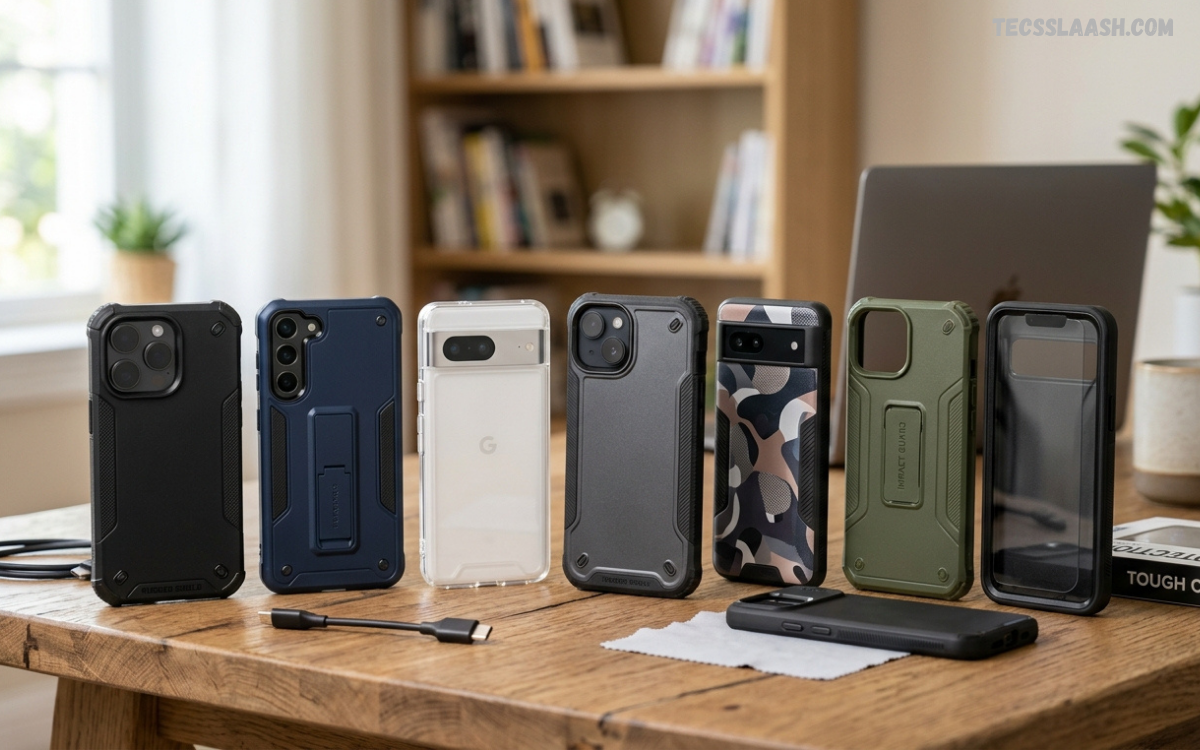
Hard phone cases provide a practical way to protect smartphones from everyday scratches, bumps, and accidental drops. Unlike soft silicone covers, hard cases use rigid materials that create a firm protective layer around the phone.
Choosing the right phone case involves more than selecting an attractive design. A quality case should provide reliable protection while maintaining access to buttons, cameras, speakers, charging ports, and wireless features.
What Are Hard Phone Cases?
Hard phone cases are protective covers made from rigid or semi-rigid materials designed to shield a smartphone from physical damage. Common materials include polycarbonate, rigid plastic, hybrid composites, and reinforced materials.
The main difference between hard cases and flexible covers is structural rigidity. Hard phone cases maintain their shape when removed from the device and generally provide a firm exterior surface.
Why Choose Hard Phone Cases?
One major advantage of hard phone cases is their ability to protect the exterior of a smartphone from scratches and surface damage. A rigid shell can help prevent keys, coins, desk surfaces, and other everyday objects from directly contacting the phone.
Hard cases also offer a wide variety of visual designs. Users can choose minimalist transparent covers, colorful patterns, textured finishes, printed graphics, or professional-looking solid colors.
Hard Phone Cases vs. Soft Phone Cases
Hard phone cases and soft phone cases use different construction approaches. Hard models rely on rigid shells, while soft cases commonly use flexible silicone, TPU, or rubber-like materials.
Protection depends heavily on the individual case design rather than material alone. A well-designed hard case with reinforced corners and raised edges may provide excellent everyday protection, while a basic rigid shell may offer limited impact resistance.
Common Materials Used in Hard Phone Cases
Polycarbonate is one of the most common materials used in hard phone cases. It is lightweight, rigid, and suitable for producing slim protective shells.
Some hard cases use multiple materials to improve overall protection. A rigid outer shell may be combined with a flexible inner frame, reinforced corners, or impact-resistant layers.
Benefits of Hard Phone Cases
A key benefit of hard phone cases is their slim and structured profile. Many models add relatively little bulk compared with heavy-duty protective covers.
Hard cases can also maintain their shape over extended use. Flexible covers may become softer or change shape over time, depending on the material and environmental conditions. A rigid shell generally keeps a consistent structure, although its appearance can eventually show scratches, scuffs, or signs of wear.
Protection Against Scratches
Smartphone surfaces can collect scratches from everyday contact with desks, bags, pockets, and other objects. Hard phone cases create a physical barrier between the phone’s exterior and many of these surfaces. This can help keep the back panel and side frame looking cleaner during regular use.
A case should not be considered a complete solution for every type of damage. Screen protection usually requires a separate screen protector, while camera lenses may benefit from appropriate lens protection. The best setup depends on the phone design and the user’s daily environment.
Drop Protection and Impact Resistance
Not every hard case provides the same level of drop protection. Basic rigid shells may protect against scratches and light impacts but may not absorb significant shock.
Hybrid hard phone cases can provide additional impact management by combining a rigid exterior with a flexible protective frame. When a phone falls, reinforced construction can help distribute some impact away from vulnerable components.
Raised Edges for Screen Protection
Raised bezels are an important feature when choosing protective phone cases. A slightly elevated edge around the display can help keep the screen from making direct contact with flat surfaces when the phone is placed face down. This feature can also provide additional protection around the edges of the display.
The effectiveness of raised edges depends on the case design and the phone itself. A case should fit correctly without interfering with screen gestures or protective glass. Users should check compatibility before purchasing, particularly when using a thick tempered-glass screen protector.
Camera Protection
Modern smartphones often have large camera modules that extend from the rear surface. Without a suitable case, the camera area can contact tables and other surfaces. Hard phone cases with raised camera surrounds can create additional separation between the camera lenses and external surfaces.
Camera protection should not block the lenses, flash, microphone, or other sensors. A well-designed case leaves precise openings around the camera system while adding material around its perimeter.
Slim Hard Phone Cases
Slim hard phone cases are designed for users who want protection without significantly increasing smartphone thickness. These cases commonly use lightweight, rigid materials and minimalistic construction.
Slim cases are particularly suitable for people who prioritize portability and pocket comfort. However, slim construction usually means less material is available for shock absorption.
Heavy-Duty Hard Phone Cases
Heavy-duty hard phone cases are built for users who require stronger physical protection. They often feature multiple protective layers, reinforced corners, textured surfaces, raised bezels, and stronger frames. Some designs also include additional covers or reinforced sections around ports and other vulnerable areas.
These cases can be useful for outdoor activities, travel, industrial environments, or situations where accidental drops are more likely. The trade-off is increased size and weight.
Clear Hard Phone Cases
Clear hard phone cases allow users to display the original color and design of their smartphones. They are popular among people who want protection without covering the manufacturer’s finish. Clear cases can use transparent polycarbonate or hybrid construction, depending on the model.
One consideration with transparent cases is long-term appearance. Some materials can develop discoloration or visible marks after extended use, depending on material quality and environmental exposure.
Textured Hard Phone Cases
Textured hard phone cases provide both visual character and additional surface friction. Patterns, ridges, matte finishes, and other textures can make a smartphone easier to hold compared with completely smooth surfaces.
Texture also affects the overall appearance and feel of the case. A matte surface can reduce visible fingerprints, while a patterned finish can make small scratches less noticeable. Buyers should consider both grip and personal preference when choosing a textured design.
Hard Phone Cases With MagSafe Compatibility
Some modern hard phone cases are designed with magnetic accessory compatibility. These cases may include an integrated magnetic ring or compatible structure that supports certain magnetic chargers and accessories.
Users should verify compatibility with their specific smartphone and accessories before buying. A case may physically fit the phone but still interfere with magnetic alignment or charging performance. Checking the manufacturer’s compatibility information can help avoid problems with wireless accessories.
Wireless Charging Compatibility
Wireless charging can be affected by case thickness, material, and internal components. Many thin hard phone cases are designed to work with wireless charging, but unusually thick or heavily reinforced cases may reduce charging efficiency or interfere with alignment.
Before purchasing, check whether the case specifically supports wireless charging for the intended smartphone. If magnetic charging or accessory compatibility is important, confirm those features separately. This is especially useful for users who rely on wireless charging throughout the day.
Hard Phone Cases for Different Smartphones
Phone cases are model-specific because smartphones differ in dimensions, camera placement, button locations, and port positioning. A case designed for one model may not fit another model correctly, even when the phones look similar. Always verify the exact phone model before purchasing a hard case.
This is particularly important when manufacturers release several versions within the same product family. Small differences in camera modules, dimensions, buttons, or charging ports can affect compatibility. Checking the model number or official device name can prevent purchasing an incorrectly sized case.
Choosing the Right Hard Phone Case
Start by identifying the level of protection needed for your daily activities. Someone who mainly uses a phone at home or in an office may prefer a slim case, while a person who frequently travels or works outdoors may want reinforced corners and stronger impact protection.
Next, consider practical features such as raised edges, camera protection, wireless charging compatibility, grip, weight, and button responsiveness. Appearance matters too, but protection and usability should remain central when comparing different hard phone cases.
Hard Phone Cases for Everyday Use
For normal daily use, a medium-protection case can provide a useful balance between protection, portability, and appearance. Look for a rigid shell with adequate edge coverage, precise cutouts, and a comfortable grip. There is usually no need to select an extremely bulky case if the phone is primarily used in controlled environments.
Everyday users should also consider how the case feels during regular activities. A case that looks attractive but makes buttons difficult to press or wireless charging unreliable can become inconvenient. A practical design should protect the device without creating unnecessary problems during routine use.
Read Also: Best Fast Chargers Compared: Speed, Safety, Compatibility, and Value
Hard Phone Cases for Travel
Travel can expose smartphones to additional risks from bags, luggage, crowded spaces, and frequent handling. A protective hard case can reduce direct contact between the phone and other items inside a backpack or travel bag. Reinforced corners can provide additional protection against accidental impacts.
A travel-friendly case should remain comfortable to carry for extended periods. Excessive bulk can make a phone harder to store in small pockets or compartments. A case with a strong shell, raised edges, and moderate thickness can provide a practical balance for many travelers.
Hard Phone Cases for Students
Students often carry smartphones between classrooms, libraries, transportation, sports areas, and social activities. A durable hard case can help protect the device from scratches and everyday impacts while keeping the phone relatively lightweight. Textured surfaces can also improve grip during frequent handling.
For students, ease of cleaning can be another useful consideration. A case that can be wiped easily may be more convenient when the phone is regularly placed on desks and shared surfaces. Simple designs can also make scratches and dirt easier to identify and clean.
Hard Phone Cases for Professionals
Professionals may prefer cases with a clean and understated appearance. Matte black, clear, neutral, or minimalist designs can complement business environments without attracting unnecessary attention. A slim profile can also make the phone easier to carry with other work equipment.
Functionality remains important in professional settings. The case should allow reliable access to charging ports, buttons, microphones, speakers, and cameras. Wireless charging compatibility can also be valuable for users who regularly charge their phones at a desk or workstation.
How to Clean Hard Phone Cases
Regular cleaning can help maintain the appearance of a hard case. Remove the case from the phone before cleaning, then use a soft cloth with an appropriate amount of mild soap and water, if compatible with the case material. Avoid harsh chemicals unless the manufacturer specifically recommends them.
After cleaning, allow the case to dry completely before putting it back on the smartphone. Moisture trapped between the case and phone can create problems over time. Cleaning the case periodically also allows users to inspect it for cracks, loose sections, or excessive wear.
When Should You Replace a Hard Phone Case?
A hard phone case should be inspected regularly for cracks, broken corners, loose sections, or other signs that its protective structure has been compromised. A damaged case may no longer provide the same level of coverage or stability. Replacing it can restore proper protection around vulnerable areas.
Changes to the smartphone can also justify a new case. If you install a different screen protector, use new magnetic accessories, or replace the phone with another model, check compatibility again. A case should fit securely without excessive movement or pressure on the device.
Common Mistakes When Buying Hard Phone Cases
One common mistake is choosing a case based only on appearance. Attractive designs can be appealing, but a case also needs suitable coverage and precise construction. Buyers should examine the edges, corners, camera area, button covers, and charging-port openings before making a decision.
Another mistake is assuming that every hard case offers heavy-duty protection. Rigid material alone does not guarantee strong impact resistance.
Are Hard Phone Cases Worth It?
Hard phone cases can be a practical investment for protecting smartphones against everyday scratches, scuffs, and minor impacts. Their rigid construction, wide design selection, and generally slim profiles make them suitable for many types of users.
The value of a hard case ultimately depends on the user’s needs and the quality of the selected design. A basic shell may be sufficient for light everyday protection, while hybrid or reinforced models may be better suited to demanding environments.
Frequently Asked Questions
Are hard phone cases durable?
Hard phone cases can be highly durable when made from quality materials such as polycarbonate or reinforced composites. Their rigid construction helps protect smartphones from everyday scratches, scuffs, and minor impacts.
Do hard phone cases protect against drops?
Hard phone cases can provide useful protection against drops, especially models with reinforced corners, raised edges, and shock-absorbing layers. Protection varies according to the case design and construction.
Are hard phone cases better than soft cases?
Hard and soft phone cases provide different benefits. Hard cases offer a rigid structure and scratch resistance, while soft cases can provide flexibility and easier installation. The right choice depends on individual protection and handling needs.
Do hard phone cases scratch easily?
Some hard phone cases can develop scratches or scuffs after extended use, particularly those with glossy finishes. Matte and textured surfaces can help make minor marks less noticeable during everyday use.
Are hard phone cases compatible with wireless charging?
Many slim hard phone cases support wireless charging, but compatibility depends on the case thickness and construction. Always check the manufacturer’s specifications before purchasing a case for wireless charging.
Do hard phone cases protect phone cameras?
Hard phone cases with raised camera bezels can help protect camera modules from direct contact with flat surfaces. Precise camera openings are important to prevent interference with lenses, sensors, and flash performance.
Are clear hard phone cases a good choice?
Clear hard phone cases are useful for users who want to show the original smartphone design while adding protection. Material quality is important because some transparent cases may change appearance over extended use.
How should hard phone cases be cleaned?
Remove the case from the phone before cleaning it. A soft cloth and mild soap solution can usually clean compatible materials, followed by thorough drying before reinstalling the case.
When should a hard phone case be replaced?
Replace a hard phone case when it develops cracks, broken corners, loose sections, or significant structural damage. A damaged case may not provide the same level of protection as a properly fitted case.
How do I choose the right hard phone case?
Choose a hard phone case based on your smartphone model, required protection, case thickness, grip, camera coverage, raised edges, charging compatibility, and preferred design. A secure fit should always be a priority.
Conclusion
Hard phone cases combine structured protection, attractive designs, and practical everyday functionality. From slim transparent shells to reinforced hybrid covers, there are options for different smartphones, lifestyles, and protection requirements.
Before purchasing, identify how and where the phone is normally used, then select a case that matches those conditions. A well-fitting case should protect vulnerable surfaces while keeping buttons, ports, cameras, and wireless functions accessible.

