


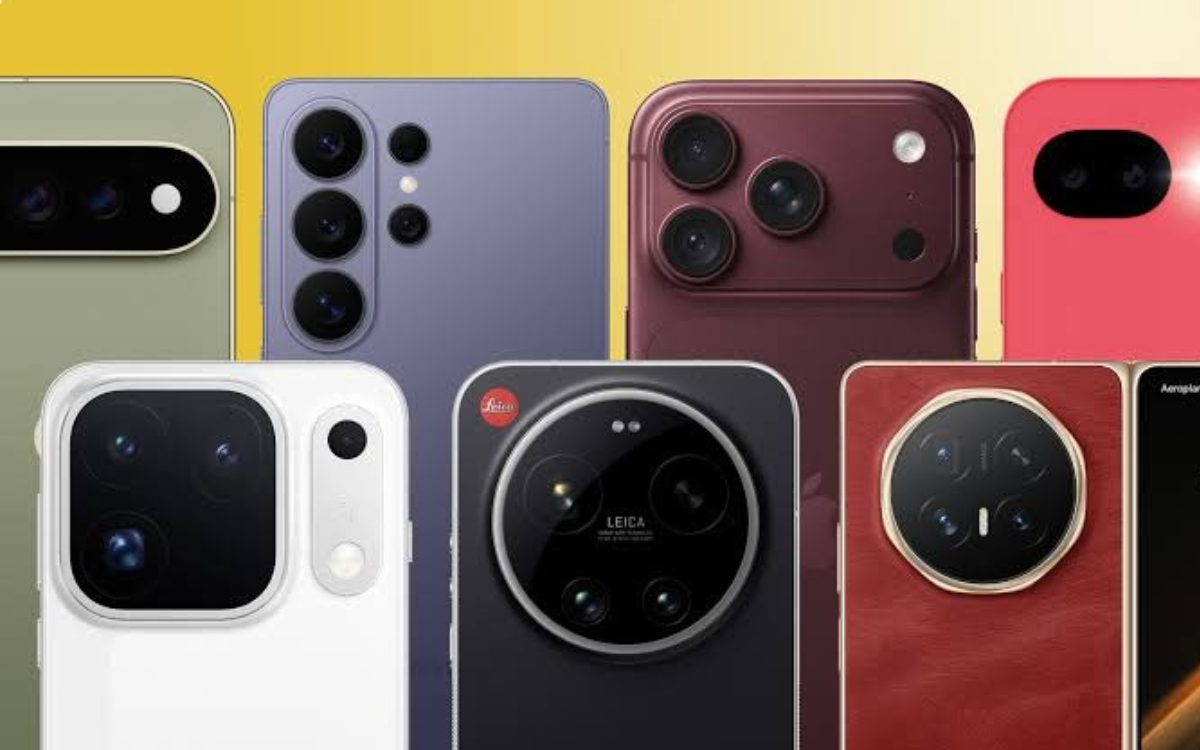
The best camera smartphones have transformed mobile photography by making professional-style pictures accessible to everyday users. Modern smartphone cameras capture detailed images, record high-quality videos, and provide advanced editing features without requiring separate photography equipment.
Choosing the right camera phone requires more than checking megapixel numbers. Image processing, sensor quality, optical zoom, stabilization, low-light performance, and software features all contribute to an excellent photography experience.
Why Best Camera Smartphones Matter
Smartphone photography has become an important part of everyday communication, creativity, and content creation. People use mobile cameras to capture family moments, travel experiences, landscapes, portraits, food photography, and professional content.
Best Camera Smartphones combine powerful hardware with intelligent software to produce attractive images. Their compact designs let users carry capable photography equipment almost anywhere without a dedicated digital camera.
Understanding Smartphone Camera Technology
Smartphone cameras use several technologies to capture and process images. These systems include image sensors, lenses, autofocus mechanisms, image processors, and computational photography features that work together to improve picture quality.
Understanding these components helps buyers compare different smartphones more accurately. A balanced camera system usually delivers better results than a device advertising only one impressive specification.
Megapixels and Image Resolution
Megapixels describe the number of individual pixels used to create a photograph. Higher resolution can preserve additional detail, especially when cropping images or printing larger photographs.
However, megapixels alone cannot determine overall camera quality. Sensor size, lens performance, image processing, and lighting conditions also influence sharpness, color accuracy, and image clarity.
Camera Sensor Size and Performance
The camera sensor collects light and converts it into digital image information. Larger sensors generally capture more light, helping smartphones produce detailed photos and perform better in challenging lighting conditions.
Sensor quality also affects dynamic range, noise control, and background separation. Buyers should consider sensor technology alongside lens specifications rather than choosing a phone based entirely on megapixel counts.
Optical Zoom and Digital Zoom
Optical zoom uses physical lens technology to bring distant subjects closer while preserving more image detail. Smartphones with dedicated telephoto cameras provide greater flexibility for portraits, wildlife photography, and distant objects.
Digital zoom enlarges existing image information through software processing. Although modern image processing can improve results, excessive digital zoom may introduce softness and reduce fine details.
Ultra-Wide Camera Capabilities
Ultra-wide cameras capture broader scenes than standard smartphone lenses. They are particularly useful for architecture, landscapes, group photographs, and situations where stepping farther away from a subject is difficult.
A good ultra-wide camera should maintain consistent colors and reasonable sharpness across the image. Buyers should also consider edge distortion and low-light performance before selecting a smartphone.
Low-Light Photography Performance
Low-light photography tests a smartphone camera’s ability to capture clear pictures in darker environments. Larger sensors, wider apertures, optical stabilization, and effective image processing can improve nighttime results.
Night modes combine multiple exposures to brighten scenes and reduce image noise. However, excellent low-light photography also requires balanced exposure, natural colors, and controlled highlights.
Optical Image Stabilization
Optical Image Stabilization, commonly called OIS, helps reduce unwanted camera movement during photography. This technology can improve handheld photographs, particularly when lighting conditions require longer exposure times.
OIS also supports smoother video recording when combined with electronic stabilization. Buyers interested in nighttime photography or handheld video should consider stabilization an important camera feature.
Autofocus Technology and Subject Tracking
Autofocus determines how quickly and accurately a smartphone camera focuses on subjects. Reliable autofocus helps capture sharp photographs of people, moving objects, pets, and spontaneous everyday moments.
Advanced autofocus systems can recognize faces, eyes, and selected subjects. These features make photography easier because users spend less time adjusting focus manually.
Portrait Photography and Background Blur
Portrait photography focuses attention on a person while separating the subject from the background. Smartphone portrait modes use camera information and software processing to simulate background blur.
A natural portrait should keep facial details accurate, skin tones realistic, and subject edges clean. Better portrait systems avoid excessive background blur and preserve important details around hair and clothing.
Best Camera Smartphones for Video Recording
Video recording has become an essential feature for smartphone buyers. Modern camera systems support different resolutions, frame rates, stabilization technologies, and recording formats to meet various creative needs.
A strong video camera should provide reliable autofocus, balanced exposure, clear audio, and consistent colors. Buyers creating social media content should also consider front-camera video quality and microphone performance.
Front Camera Quality for Selfies
Front cameras are important for selfies, video calls, online meetings, and social media content. A capable selfie camera should capture natural skin tones, balanced exposure, and sufficient facial detail.
Autofocus, portrait effects, and video stabilization can improve the overall experience. Buyers should evaluate front-camera performance separately because a powerful rear camera does not automatically guarantee excellent selfies.
Computational Photography and Artificial Intelligence
Computational photography combines multiple images and software processing to improve photographs. Smartphones can automatically adjust exposure, reduce noise, balance colors, and enhance details through intelligent image processing.
Artificial intelligence also supports subject recognition, scene optimization, and editing tools. These features can simplify photography, although natural-looking results should remain more important than excessive digital enhancement.
Display Quality for Photography
A smartphone display influences how users view, edit, and share photographs. High resolution, accurate colors, strong brightness, and wide viewing angles help users evaluate image details more effectively.
Color accuracy is especially important for photography enthusiasts and content creators. An excellent display should represent photographs naturally, rather than making every image appear unnecessarily saturated or bright.
Storage Capacity for High-Resolution Photos
High-resolution photos and videos can take up significant storage space. Smartphones with larger internal storage provide more room for photography projects, video recordings, applications, and personal files.
Buyers should choose storage options based on their usage needs. Cloud storage, external backups, and efficient file management can also help preserve important photos.
Battery Life for Mobile Photography
Photography can consume considerable battery power, especially when recording videos, using navigation, editing images, or capturing photographs continuously. A dependable battery helps users enjoy longer photography sessions.
Fast charging adds convenience for travel and busy schedules. When comparing camera-focused smartphones, buyers should consider battery capacity, charging speed, and overall efficiency.
Best Camera Smartphones for Beginners
Beginners should choose smartphones that make photography simple without sacrificing image quality. Automatic camera modes, reliable autofocus, intelligent exposure, and straightforward editing tools can help new users capture attractive photographs.
A complicated professional camera interface is not necessary for everyone. Beginners benefit from easy controls, dependable automatic settings, and features that encourage experimentation with different photography styles.
Best Camera Smartphones for Professional Photography
Professional photographers often need greater control over exposure, focus, shutter speed, and image processing. Smartphones with manual controls, RAW photography, multiple lenses, and advanced video settings offer more creative flexibility.
However, professional results depend on technique as well as equipment. Understanding lighting, composition, subject placement, and editing can improve photographs regardless of smartphone price.
Best Camera Smartphones for Travel Photography
Travel photography requires a versatile camera system that can capture landscapes, buildings, people, and distant attractions. Wide-angle lenses, telephoto cameras, reliable stabilization, and strong battery life make travel photography more convenient.
A lightweight smartphone also reduces the need to carry additional equipment. Travelers should prioritize dependable camera performance, sufficient storage, and a durable design for different environments.
Best Camera Smartphones for Social Media Content
Social media creators need smartphones that produce attractive photographs and videos across different lighting conditions. Fast autofocus, front-camera quality, portrait modes, and convenient editing features can simplify content creation.
Video stabilization and consistent color reproduction are especially useful for short-form videos. A capable smartphone lets creators record, edit, and publish content from a single portable device.
Best Camera Smartphones for Night Photography
Night photography requires a camera system that captures available light without producing excessive image noise. Larger sensors, optical stabilization, appropriate apertures, and intelligent night modes improve results.
Users should also understand how exposure affects nighttime photographs. Keeping the smartphone steady, choosing suitable camera settings, and avoiding unnecessary digital zoom can improve image clarity.
Read Also: Pakistani Actresses: Famous Stars, Successful Careers, and Inspiring Life Stories
Best Camera Smartphones for Portraits
Portrait photography benefits from accurate autofocus, natural skin tones, and effective background separation. Dedicated telephoto cameras offer useful framing options while keeping you at a comfortable distance from subjects.
Software-based portrait modes offer additional creative control through adjustable background blur. However, realistic facial details and natural colors should always remain important when evaluating portrait quality.
How to Compare Camera Smartphones
Comparing camera smartphones requires looking at real photo performance rather than relying entirely on marketing specs. Buyers should evaluate photos captured in daylight, at night, indoors, and at different zoom levels.
Video recording, autofocus, stabilization, front-camera quality, and image processing should also influence purchasing decisions. Comparing several camera samples can reveal differences that technical specifications may not communicate.
Important Features to Check Before Buying
Before buying a camera-focused smartphone, review its full camera system and everyday usability. A useful comparison includes sensor quality, optical zoom, stabilization, autofocus, video capabilities, and front-camera performance.
Software support and processing consistency also matter. Buyers should choose a smartphone with dependable photography features rather than paying extra for specs they may rarely use.
Camera Smartphone Buying Mistakes
One common mistake is assuming that more megapixels automatically produce better photographs. Another is ignoring the importance of sensor size, lens quality, image processing, and stabilization when comparing different devices.
Some buyers also focus entirely on rear cameras while overlooking video recording and selfie performance. Evaluating the full photography experience helps prevent disappointing purchases.
How to Take Better Smartphone Photographs
Good photography begins with understanding light and composition. Clean camera lenses, stable positioning, suitable exposure, and thoughtful framing can improve image quality without requiring expensive accessories.
Experimenting with different angles and camera modes also develops photography skills. Avoid excessive digital zoom and unnecessary filters, as natural details often create more appealing photographs.
Smartphone Photography and Lighting Techniques
Lighting plays a major role in determining photograph quality. Soft natural light can produce balanced exposure, attractive colors, and gentle shadows, making it useful for portraits and everyday photography.
Harsh sunlight may create strong shadows and overexposed areas. Adjusting subject position and exposure can help preserve image detail while producing more balanced photos.
Editing Features in Modern Camera Smartphones
Built-in editing tools let users improve photos directly on their smartphones. Common adjustments include brightness, contrast, highlights, shadows, sharpness, cropping, and color temperature.
Advanced editing features may include object removal, background adjustments, and portrait enhancements. The best editing approach improves image quality while preserving natural details and realistic colors.
Camera Software Updates and Improvements
Camera software updates can improve image processing, fix technical issues, and introduce additional photography features. These improvements may influence autofocus reliability, video stability, and overall camera performance.
Buyers should consider a manufacturer’s software support policy before purchasing. Regular updates help maintain device security and may provide useful improvements throughout the smartphone’s lifespan.
Durability and Protection for Camera Smartphones
Camera smartphones contain delicate components that require reasonable protection during everyday use. A protective case and suitable screen protection can help reduce accidental damage during normal handling.
Water and dust resistance can provide additional convenience, depending on the device’s specifications. Buyers should check the official protection rating instead of assuming every premium smartphone offers identical durability.
Price and Value for Money
An expensive smartphone does not automatically provide the best photography experience for every buyer. Mid-range devices may offer excellent everyday photography, while premium models often provide more advanced zoom and video capabilities.
The right purchase depends on your needs and budget. Comparing camera performance, battery life, software support, storage, and overall usability helps identify genuine value.
Example: Evaluating a Camera Smartphone
Consider a buyer comparing two smartphones for travel photography. The first offers high-resolution images, while the second provides optical zoom, effective stabilization, and consistent low-light performance.
Instead of selecting a device based on one specification, the buyer compares actual photographs and video samples. This approach demonstrates why complete camera performance matters more than individual marketing numbers.
Future of Best Camera Smartphones
Smartphone camera technology continues developing through improved sensors, advanced image processors, and intelligent photography software. Future improvements may provide better image detail, more natural portraits, and increasingly capable video recording.
Artificial intelligence is also influencing mobile photography through automatic editing and scene recognition. However, reliable hardware, natural image quality, and user control will remain important factors.
Frequently Asked Questions
What Are Best Camera Smartphones?
Best Camera Smartphones are devices offering excellent photography and video capabilities. Their performance depends on sensor quality, lenses, image processing, stabilization, autofocus, and software features.
Are More Megapixels Always Better?
No. Megapixels describe image resolution but cannot determine complete camera quality. Sensor size, lens performance, lighting, and image processing also influence photographic results.
Which Camera Feature Is Most Important?
No single feature determines overall camera quality. Sensor performance, optical stabilization, autofocus, lens versatility, and image processing work together to produce excellent photographs.
Is Optical Zoom Better Than Digital Zoom?
Optical zoom generally preserves more image detail because it uses physical lens technology. Digital zoom enlarges image information through software and may reduce quality at higher magnification.
Are Camera Smartphones Suitable for Professional Photography?
Yes, many smartphones provide advanced photography controls and high-quality image capture. Professional results still depend on lighting, composition, photography knowledge, and suitable editing techniques.
Which Camera Is Better for Night Photography?
A camera with a capable sensor, optical stabilization, suitable aperture, and effective night processing can produce better nighttime photographs. Real-world camera samples provide useful comparisons.
Does OIS Improve Video Quality?
Optical Image Stabilization helps reduce unwanted camera movement. Combined with electronic stabilization, it can produce smoother handheld video recordings.
What Is Computational Photography?
Computational photography uses software and image processing to improve photographs. It combines image information and automatically adjusts exposure, colors, brightness, and other visual details.
Is Front Camera Quality Important?
Front-camera quality matters for selfies, video calls, and social media content. Buyers should evaluate image detail, autofocus, exposure, and video recording capabilities.
How Can I Choose the Right Camera Smartphone?
Compare camera samples, sensor specifications, zoom capabilities, stabilization, video quality, and battery performance. Choose a smartphone that matches your photography needs and budget.
Conclusion
Best Camera Smartphones provide convenient photography tools for beginners, travelers, content creators, and photography enthusiasts. Choosing the right device requires understanding camera sensors, megapixels, optical zoom, stabilization, autofocus, and image processing.
Instead of focusing on marketing specs, compare real-world performance and everyday usability. A balanced smartphone with dependable photography features can deliver excellent pictures, useful videos, and long-term value.

