


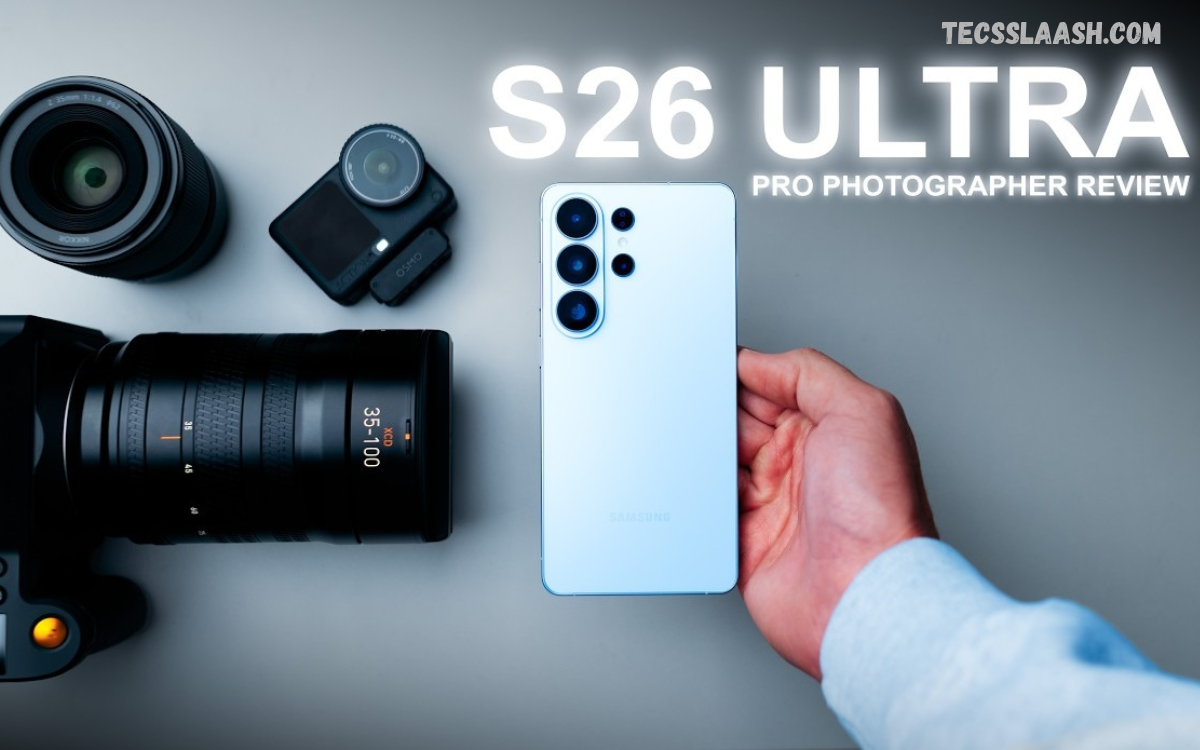
The Best Phones for Photography combine advanced camera technology, powerful image processing, and versatile lenses to capture beautiful photographs. Modern smartphones make it easier to photograph landscapes, portraits, food, travel destinations, and everyday moments.
Choosing the right camera phone depends on your budget, photography style, and preferred features. Some smartphones excel at zoom, while others deliver impressive portraits, natural colors, low-light performance, and professional-quality video.
What Makes a Phone Excellent for Photography?
A good camera phone needs more than a high megapixel count. Sensor size, lens quality, optical image stabilization, autofocus, and image processing all contribute to sharper photographs and balanced colors.
The best smartphones also provide reliable camera applications and useful shooting modes. These features help beginners capture excellent pictures while giving experienced photographers greater control over exposure, composition, and focus.
Best Overall Camera Phones in 2026
Premium smartphones from Apple, Samsung, Google, and Xiaomi offer advanced camera systems for different photography needs. Their flagship models combine powerful processors, multiple lenses, computational photography, and improved video recording features.
Before choosing a flagship phone, compare camera samples, official specifications, and local prices. Camera performance varies between models, so choosing a phone based on your needs is more useful than following popularity alone.
Apple iPhone Pro Series for Photography
Apple’s iPhone Pro series is worth considering for photographers who value consistent image quality, dependable autofocus, and excellent video recording. Multiple camera lenses provide flexibility for portraits, landscapes, close-up photographs, and everyday photography.
These phones also appeal to content creators who record videos for social media and other platforms. Compare the latest Pro models, their camera specs, storage options, and prices before you buy.
Samsung Galaxy Ultra Series for Photography
Samsung Galaxy Ultra phones are popular choices for people who want versatile camera systems and powerful zoom capabilities. Their combination of wide, ultra-wide, and telephoto cameras supports landscape photography, architectural pictures, and distant subjects.
Samsung’s image processing can produce vivid colors and detailed photographs in suitable conditions. For the best results, compare optical zoom performance, low-light quality, and color accuracy rather than relying only on advertised magnification.
Google Pixel Phones for Photography
Google Pixel phones are known for computational photography, which combines hardware and software to improve image quality. Features such as HDR processing, portrait effects, and night photography help users capture attractive pictures with minimal manual adjustments.
Pixel Pro models are particularly worth comparing for everyday photography and challenging lighting conditions. Check each model’s specifications because telephoto cameras, advanced editing features, and other capabilities vary across the product range.
Xiaomi Phones for Photography
Xiaomi’s premium smartphones offer advanced camera hardware and features designed for photography enthusiasts. Selected models include high-resolution sensors, specialized telephoto lenses, and image processing developed to provide greater flexibility across different shooting situations.
These phones can suit users interested in portraits, travel photography, and detailed close-up images. Check regional availability, warranty coverage, software updates, and camera specifications before purchasing a device.
Best Phones for Portrait Photography
Portrait photography requires accurate focus, realistic skin tones, and natural separation between the subject and background. A dedicated telephoto camera can help photographers capture flattering compositions without standing too close to the subject.
Google Pixel, Apple iPhone, Samsung Galaxy, and selected Vivo smartphones are worth comparing for portrait photography. Examine photographs of faces in different lighting conditions to evaluate detail, background blur, and color accuracy.
Best Phones for Night Photography
Night photography can be challenging because limited light often causes blur, noise, and reduced detail. Larger sensors, optical image stabilization, wide apertures, and effective night modes help smartphones capture brighter photographs.
Premium camera phones from Google, Apple, and Samsung provide useful low-light features. Compare real photographs taken indoors, on dim streets, and around nighttime city lights to determine which device performs best for your needs.
Best Phones for Zoom Photography
Optical zoom helps photographers capture distant subjects while preserving more detail than ordinary digital enlargement. This feature is particularly useful for wildlife, sporting events, concerts, architecture, and travel photography.
Samsung Galaxy Ultra phones and selected premium devices from Xiaomi and Vivo offer versatile zoom systems. Compare image sharpness at different focal lengths and remember that digital zoom can reduce detail when used at high magnification.
Best Phones for Landscape Photography
Landscape photography benefits from accurate colors, wide dynamic range, detailed textures, and capable ultra-wide cameras. These features help capture mountains, beaches, gardens, city skylines, and other expansive scenes.
Premium smartphones from Apple, Samsung, Google, and Xiaomi offer useful tools for landscape photography. Choose a phone that preserves detail across the frame and handles bright skies and darker foregrounds effectively.
Best Phones for Macro Photography
Macro photography reveals small details in flowers, insects, jewelry, and everyday objects. A dedicated macro camera or a close-focusing ultra-wide lens can help capture these subjects with greater clarity.
Check the phone’s minimum focusing distance and macro capabilities before buying. Good lighting also matters because close-up photography can create unwanted shadows and make it harder to keep focus sharp.
Best Phones for Selfie Photography
A good selfie camera captures natural skin tones, balanced exposure, and clear facial details. Autofocus, HDR processing, and an appropriate field of view can improve individual selfies and group photos.
Compare front-camera results in daylight, indoor lighting, and evening conditions. Some smartphones offer excellent rear cameras but weaker front cameras, so vloggers and social media creators should evaluate them separately.
Best Phones for Travel Photography
Travel photographers need versatile cameras, dependable battery life, sufficient storage, and durable designs. Multiple lenses help capture landmarks, landscapes, street scenes, food, and spontaneous moments without carrying extra gear.
Premium iPhone, Samsung Galaxy, Google Pixel, and Xiaomi models offer useful features for travel photography. When selecting a device for frequent travel, consider phone weight, charging speed, weather resistance, and local repair options.
Best Phones for Video Recording
Video recording is key for photographers who create YouTube videos, social media clips, or personal travel films. Reliable stabilization, accurate autofocus, good microphones, and consistent colors help produce professional-looking footage.
Recent iPhone Pro models and selected Android flagships provide advanced recording features. Check supported resolutions, frame rates, storage requirements, and recording limitations before choosing a smartphone for regular video production.
Best Budget Phones for Photography
Budget smartphones can produce excellent daylight photographs without the expense of premium flagship models. Look for dependable autofocus, a capable main sensor, balanced HDR, and image processing that preserves realistic details.
Google Pixel A-series models and selected Samsung Galaxy A-series phones are worth comparing alongside affordable devices from other established brands. Read camera reviews and confirm software support before you decide.
Best Mid-Range Phones for Photography
Mid-range smartphones balance camera performance, battery life, processing power, and affordability. Some models include optical image stabilization or telephoto cameras, while others focus on a strong main sensor.
Compare image quality, portrait performance, night photography, and software updates before buying. A well-chosen mid-range phone may provide everything you need without the high price of a flagship device.
Read Also: New Phones 2026: Latest Smartphone Releases, Features, and Buying Guide
Understanding Camera Megapixels
Megapixels measure image resolution, but a higher number doesn’t automatically guarantee better photos. Sensor quality, lens performance, image processing, and lighting can have a greater influence on the final result.
A well-optimized 50MP camera can produce better images than a poorly implemented higher-resolution camera. When comparing smartphone cameras, consider detail retention, color accuracy, dynamic range, and low-light performance.
Why Sensor Size Matters
A larger camera sensor can collect more light under comparable conditions, potentially improving image quality in darker environments. Sensor size can also affect detail, dynamic range, and how photographs look.
However, sensor size alone does not determine camera performance. Lens quality, stabilization, autofocus, and image processing remain important factors when choosing a smartphone for photography.
Optical Zoom Versus Digital Zoom
Optical zoom uses a telephoto lens to photograph distant subjects without depending entirely on digital enlargement. It helps preserve detail when you capture buildings, wildlife, performers, and other subjects from a distance.
Digital zoom enlarges an image through cropping and software processing. Although modern smartphones can improve enlarged photographs with computational techniques, optical zoom generally provides better detail when the subject falls within the lens’s supported range.
Importance of Optical Image Stabilization
Optical image stabilization, commonly called OIS, reduces blur from small camera movements during exposure. It can help produce sharper handheld photos, especially in dim lighting.
OIS can’t eliminate blur from moving subjects. Compare stabilization performance across the main and telephoto cameras to see how well a phone handles different shooting conditions.
AI Photography Features
Artificial intelligence helps smartphones recognize scenes, combine exposures, reduce noise, and improve image processing. Some devices also offer editing tools to remove distractions, change backgrounds, or enhance photos after capture.
These features can save time, but their quality varies between devices. Check whether editing tools preserve realistic details and whether they require an internet connection or additional software services.
Manual Controls and RAW Photography
Manual camera controls allow photographers to adjust shutter speed, ISO, focus, and white balance. These options help when automatic modes struggle with difficult lighting or when consistent results matter.
RAW photography preserves more editing flexibility than standard processed images. Before choosing a phone for advanced photography, check RAW support, compatible camera lenses, storage requirements, and editing app compatibility.
Camera App and Ease of Use
A good camera application should open quickly, focus accurately, and make important settings easy to access. Responsive controls help users capture spontaneous moments before the subject moves or the lighting changes.
Whenever possible, explore the camera interface before purchasing. An intuitive application can make everyday photography easier and help beginners use advanced features without unnecessary confusion.
Battery Life and Storage for Photographers
Photography, video recording, editing, and backups can drain battery power and fill storage quickly. A phone with dependable battery life is particularly useful for travel, events, and long photography sessions.
Choose storage capacity according to your shooting habits and video recording needs. Back up important photographs securely, and consider cloud storage or external storage solutions where compatible.
Display Quality for Photo Editing
A high-quality display helps photographers inspect image details, check focus, and make editing decisions. Strong outdoor brightness and accurate colour reproduction are particularly useful when reviewing photographs in different environments.
Remember that edited photographs may appear different on other screens. Use balanced brightness and realistic colour settings when editing images for websites, portfolios, and social media platforms.
How to Choose the Right Camera Phone
Start by identifying the subjects you photograph most often. Portrait photographers may prioritise skin tones and telephoto lenses, while travel photographers may prefer versatile cameras, durable designs, and long battery life.
Next, compare camera samples, specifications, warranty coverage, and local prices. Choose a smartphone that meets your actual photography needs rather than paying extra for features you are unlikely to use.
Common Mistakes When Buying Camera Phones
One common mistake is choosing a smartphone based only on megapixels or maximum digital zoom. These specs don’t fully explain how a camera performs in low light, handles moving subjects, or preserves detail across lenses.
Another mistake is ignoring software support, storage capacity, and repair costs. A reasonably priced phone with a dependable camera may offer better long-term value than an expensive flagship with unnecessary features.
Tips for Taking Better Smartphone Photos
Clean your camera lens before shooting and use natural light whenever possible. Keep the phone steady, tap your subject to focus, and check the background before you shoot.
Experiment with different angles, composition techniques, and exposure settings to improve your results. Practising in various lighting conditions can help you take better photographs regardless of which smartphone you own.
Recommended Accessories for Smartphone Photography
A few practical accessories can improve smartphone photography. A compact tripod helps with stable night shots, while a phone grip can make handheld shooting more comfortable during travel and outdoor activities.
Consider a protective case, portable power bank, and reliable backup solution. Learn your phone’s built-in camera capabilities before purchasing additional lenses or accessories that may offer limited benefits.
Comparing Camera Phones Before Purchase
Compare photographs taken under similar conditions instead of relying entirely on promotional images. Examine daylight detail, skin tones, portrait effects, low-light noise, zoom sharpness, and exposure consistency.
Read independent reviews and confirm official specifications for your region. Prices, features, storage options, and warranty terms can vary by market, so confirm these details before buying.
Frequently Asked Questions
Which phone is best for photography in 2026?
Premium models from Apple, Samsung, Google, and Xiaomi are worth comparing. The best choice depends on your budget, preferred camera features, and photography style.
Is a 200MP camera better than a 50MP camera?
Not necessarily. Sensor quality, lens performance, processing, and lighting all affect image quality, so compare real photos rather than megapixel counts alone.
Which phone is best for night photography?
Premium Google Pixel, Samsung Galaxy, and iPhone models offer useful low-light features. Compare sample photographs to identify the best option for your needs.
Can a smartphone replace a professional camera?
Smartphones work well for everyday photography, travel, and social media. Dedicated cameras can still provide advantages in specialized photography, lens selection, and sensor performance.
Conclusion
The Best Phones for Photography combine reliable autofocus, excellent image processing, versatile lenses, and strong performance in different lighting conditions. Premium smartphones from Apple, Samsung, Google, and Xiaomi offer useful options for photography enthusiasts.
Before purchasing, compare real camera samples, check current prices, and prioritize the features you will use most often. The right smartphone consistently captures the photos you want while fitting your budget and everyday needs.

