


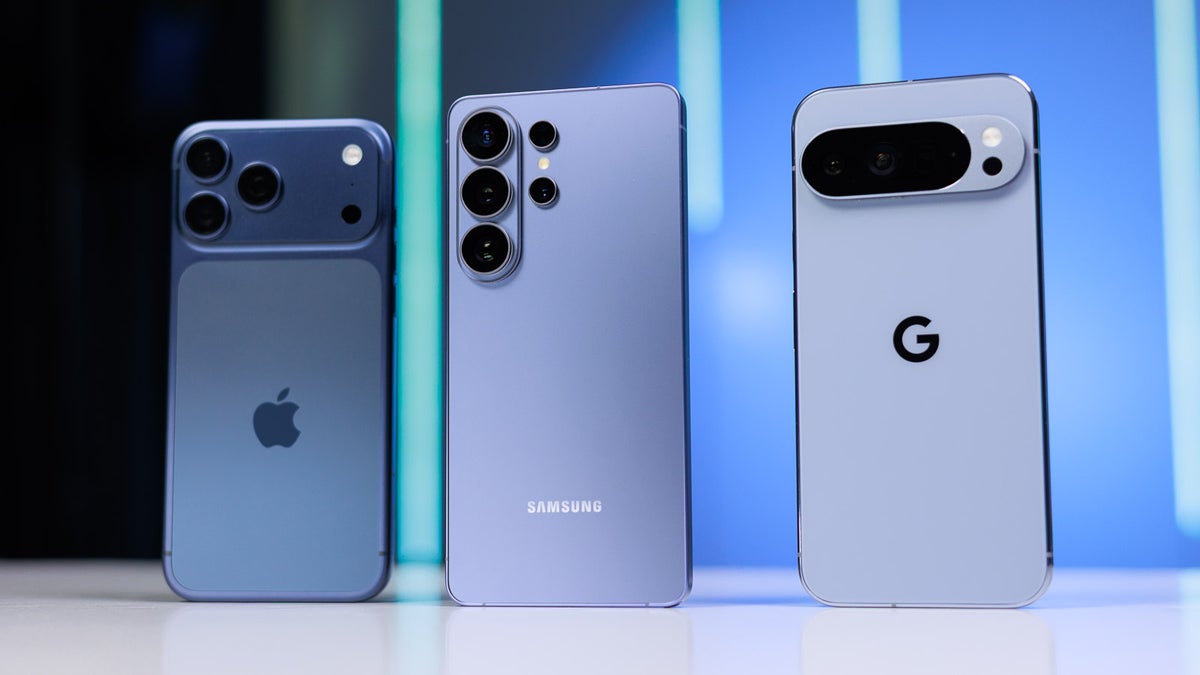
Social media has become an important part of everyday digital life. Platforms such as Instagram, TikTok, Facebook, Snapchat, and YouTube allow users to share photos, publish videos, communicate, and create engaging content. Choosing the right smartphone can improve the overall experience.
The best phones for social media offer excellent cameras, powerful processors, bright displays, reliable internet connectivity, and long battery life. These features help users capture quality photos, record clear videos, edit content, and enjoy smooth browsing throughout the day.
What Makes the Best Phones for Social Media?
A good social media smartphone needs more than an attractive design. Camera quality, video recording, display performance, processing power, storage, and battery capacity all contribute to a better experience. These features help users create content without unnecessary interruptions.
Software optimization also matters because social media applications process photos and videos differently. A smartphone with reliable software, regular updates, and strong application compatibility can provide a smoother experience across multiple platforms.
Best Phones for Social Media Content Creation
Content creators need smartphones that handle photography, video recording, editing, and uploading efficiently. Devices with advanced camera systems, accurate colors, and powerful processors make everyday content creation easier.
A suitable smartphone should also offer enough storage for photos, recordings, and editing applications. Fast charging and dependable connectivity provide additional convenience for users who regularly publish content.
Apple iPhone 17 Pro Max
Apple iPhone 17 Pro Max is an excellent option for social media users who prioritize video quality, photography, and smooth application performance. Its advanced camera system, high-quality display, and powerful processor support Instagram Reels, TikTok videos, YouTube content, and everyday photography.
The iPhone also offers useful video recording tools, including professional recording formats and advanced stabilization features. Its consistent camera processing makes it a strong Choice for creators who want natural-looking footage and reliable results across different content types.
Samsung Galaxy S26 Ultra
Samsung Galaxy S26 Ultra is a powerful Android smartphone designed for users who enjoy photography, video creation, and multitasking. Its versatile camera system, large display, and advanced processing capabilities make it suitable for creating content across several social media platforms.
The device provides different camera perspectives for portraits, landscapes, and distant subjects. Its high-resolution display also makes photo editing, video previews, and application navigation comfortable. Users who prefer Android customization can benefit from its flexible software experience.
Vivo X300 Ultra
Vivo X300 Ultra is another impressive option for photography enthusiasts and social media creators. Its advanced camera hardware supports detailed photographs, portrait photography, and versatile video recording for different content styles.
The smartphone is particularly appealing to users who enjoy experimenting with camera settings and creative shooting techniques.
Oppo Find X9 Ultra
Oppo Find X9 Ultra offers a camera-focused experience for people who regularly capture photos and videos. Its versatile camera arrangement supports different shooting perspectives, making it useful for lifestyle photography, travel content, portraits, and short-form videos.
The phone also provides creative recording features that can help users experiment with video production. Its display and processing capabilities support everyday editing and application use. Social media creators looking for advanced camera controls may find this smartphone an interesting option. Digit+1
Google Pixel 10 Pro XL
Google Pixel 10 Pro XL is a good choice for users who value computational photography and smart image processing. Pixel smartphones are known for their photography-focused software, which helps produce attractive images with minimal manual adjustments.
Its camera experience can support portraits, selfies, everyday photography, and social media content. Google software features also provide editing convenience for users who want to improve their pictures before sharing them.
Camera Quality for Social Media
Camera quality is one of the most important factors when selecting the best phones for social media. A capable camera captures detailed images, manages different lighting conditions, and produces balanced colors.
However, megapixel numbers alone cannot determine overall camera performance. Sensor quality, image processing, autofocus, optical stabilization, and lens selection also influence the final result. A balanced camera system often provides more practical value than impressive specifications alone.
Front Camera Performance
The front camera plays an important role in modern social media activities. Many users record selfies, create talking videos, participate in video calls, and publish short-form content using their smartphone’s front-facing camera. A clear selfie camera can improve the overall quality of these activities.
Autofocus, exposure control, skin-tone accuracy, and video resolution are useful features to consider. A good front camera should produce natural-looking results without excessive processing. Users who regularly record themselves should compare front-camera video quality before selecting a smartphone.
Video Recording Features
Video recording capabilities matter greatly for TikTok, Instagram Reels, YouTube Shorts, and Facebook videos. Smartphones offering reliable 4K recording, stable autofocus, and effective image stabilization can capture smooth footage for different content formats.
High frame rates can also provide creative flexibility for slow-motion videos. However, recording at maximum resolution is not always necessary for social media. Clear 1080p or 4K footage with balanced exposure and good sound can deliver excellent results for everyday content creation.
Display Quality and Screen Size
A smartphone display affects how users browse social media, watch videos, edit photographs, and review uploaded content. AMOLED and OLED screens generally provide rich colors, strong contrast, and deep black levels. These qualities make photographs and videos enjoyable to view.
Screen brightness is another important consideration, particularly when using a smartphone outdoors. A bright display improves visibility under sunlight, while a smooth refresh rate makes scrolling and navigation feel responsive. Users should also consider screen size and comfort when choosing a device.
Processor and Performance
A powerful processor helps smartphones manage demanding applications and everyday multitasking. Social media platforms regularly load images, play videos, process filters, and run background activities. A capable chipset can make these operations smoother and reduce unnecessary waiting.
Processing power also matters when editing videos or applying creative effects. Users who frequently switch between editing applications and social media platforms should consider processor performance alongside available RAM. Balanced hardware helps maintain a responsive experience during regular use.
Battery Life for Social Media Users
Social media apps can consume significant battery power because they use the display, internet connectivity, cameras, speakers, and background services. Users who spend several hours browsing, recording, and uploading content should choose a smartphone with dependable battery performance.
Battery capacity matters, but software optimization also affects daily endurance. Display brightness, refresh rate, mobile data, and application activity can affect power consumption. A well-optimized smartphone can provide a more dependable experience throughout a normal day.
Storage Capacity for Photos and Videos
Storage capacity becomes important when users regularly create and save social media content. High-resolution photos, 4K recordings, downloaded videos, and editing projects can take up considerable space. A smartphone with sufficient internal storage helps prevent frequent storage problems.
Users who record videos regularly should consider higher storage configurations whenever practical. Cloud storage and computer transfers can also help organize older files. Keeping unnecessary downloads and duplicate media under control makes everyday smartphone management easier.
Best Phones for Instagram
Instagram users often need excellent cameras, smooth app performance, and a great display. A suitable smartphone should capture clear photographs, record engaging Reels, and handle Stories without unnecessary delays. Reliable internet connectivity also helps users upload content efficiently.
Premium iPhones, Samsung Galaxy Ultra models, and camera-focused Android smartphones can deliver a strong Instagram experience. However, the right choice depends on personal preferences, camera requirements, and budget.
Best Phones for TikTok
TikTok content often includes short videos, transitions, voice recordings, filters, and creative effects. A good smartphone should provide dependable video recording, effective stabilization, clear audio, and sufficient processing power.
Front-camera quality is particularly useful for talking videos, tutorials, and personal content. Battery life and storage also matter because recording and editing multiple clips can consume considerable resources. A smartphone with balanced camera and performance features can support regular TikTok activities.
Best Phones for YouTube
YouTube creators may need more advanced recording and editing features than casual social media users. A capable smartphone should support detailed video capture, stable recording, clear audio, and efficient editing. These features are useful for tutorials, reviews, vlogs, and educational content.
A larger display can make editing timelines and reviewing footage more comfortable. Sufficient storage is equally important because longer videos take up more space. Users planning to publish regularly should consider overall performance, recording quality, and battery endurance together.
Best Budget Phones for Social Media
Not every user needs an expensive flagship smartphone to enjoy social media. Budget and mid-range devices can provide useful cameras, attractive displays, reliable processors, and enough battery capacity for everyday activities. These phones are suitable for browsing, messaging, selfies, and basic content creation.
When comparing affordable smartphones, users should focus on practical features rather than unnecessary specifications. A stable camera, sufficient RAM, a comfortable display, and a dependable software experience can provide better everyday value.
Best Mid-Range Phones for Content Creation
Mid-range smartphones offer a balance between affordability and useful features. Many devices in this category provide high-resolution cameras, capable processors, attractive displays, and fast charging. These specifications can support everyday photography, short videos, and common editing applications.
A mid-range phone can be a practical Choice for students, beginners, and casual creators. Before purchasing, users should compare camera samples, video stabilization, storage options, and software support.
Read Also: Best Android Apps in 2026: Top Apps You Should Download
Internet Connectivity and Uploading Speed
Reliable internet connectivity helps social media users browse feeds, stream videos, attend online meetings, and publish content. Smartphones that support modern Wi-Fi standards and compatible mobile network technologies can provide dependable connections when paired with compatible networks.
Uploading large videos may require a stable connection and sufficient network speed. Users should also consider network coverage in their area because smartphone connectivity depends on local infrastructure.
Software and Application Compatibility
Software quality influences how smoothly social media applications operate. A smartphone with an updated operating system, reliable security features, and good application compatibility can provide a better experience over time. Regular updates may also introduce improvements and fix software problems.
Users should check the expected software support before selecting a new smartphone. Application stability, camera integration, background management, and privacy controls all contribute to overall usability. A well-maintained software experience helps keep everyday activities organized and convenient.
Photo Editing Features
Photo editing is an important part of social media content creation. Users often adjust brightness, contrast, saturation, sharpness, and color balance before publishing images. A smartphone with a responsive processor and accurate display can make these editing tasks easier.
Built-in editing tools and compatible third-party applications provide additional creative options. Some smartphones also include intelligent editing features to remove unwanted objects, adjust backgrounds, or improve image appearance.
Video Editing Performance
Video editing requires processing power, memory, and sufficient storage. Users who create Reels, Shorts, tutorials, and vlogs may need to trim clips, combine recordings, add transitions, and adjust audio. A capable smartphone can complete these tasks with fewer performance interruptions.
Display quality also matters because editing requires accurate previews and comfortable navigation. Users should select devices that support their preferred editing applications and video formats. Keeping enough free storage can further improve editing convenience and prevent unnecessary application problems.
Audio Quality for Social Media Videos
Audio quality is often overlooked when choosing a smartphone for social media. However, clear sound can make tutorials, interviews, vlogs, and talking videos more enjoyable. A good microphone should capture voices naturally while reducing unwanted background noise whenever possible.
External microphones can provide additional flexibility for users who need better recording quality. Before choosing a smartphone, it helps to review microphone performance and available audio accessories. Clear audio, balanced video, and stable recording together create a more complete content experience.
Design, Build Quality, and Comfort
Smartphone design affects everyday comfort, especially for people who frequently record videos or take photos. A comfortable grip, manageable weight, and practical button placement can make extended camera sessions easier. Durable construction also helps protect the device during regular use.
Users should consider screen size, materials, and overall dimensions before deciding. Large smartphones provide more viewing space but may feel less convenient for one-handed operation. The best design combines comfort, durability, and practical functionality.
Security and Privacy Features
Privacy matters when using social media apps because smartphones store personal photos, messages, account information, and other private data. Modern devices offer security tools such as fingerprint recognition, face authentication, application permissions, and system-level privacy controls.
Users should keep their operating systems updated and regularly review application permissions. Strong account passwords and two-factor authentication can provide additional protection. A secure smartphone experience helps users manage their digital activities with greater confidence.
How to Choose the Best Phone for Social Media
Choosing the best phones for social media starts with understanding your needs. Someone who mainly browses Instagram may need a different device from a creator who records professional videos. Identifying important activities helps narrow down suitable smartphones.
Camera performance, battery life, display quality, storage, and software support should remain important comparison factors. Users should also consider their available budget and preferred operating system. Comparing these features together can make the selection process more practical and informed.
Common Mistakes When Buying a Social Media Phone
One common mistake is choosing a smartphone based only on megapixel numbers. High-resolution cameras do not automatically guarantee better photographs or videos. Image processing, sensor quality, stabilization, and lighting performance also influence the final results.
Another mistake is ignoring battery life, storage, and software support. A phone may offer impressive camera specifications but become inconvenient when storage fills quickly, or applications perform poorly. Reviewing the full feature set helps users make better purchasing decisions.
Tips for Better Social Media Content
A good smartphone can improve content quality, but recording techniques also matter. Proper lighting, clean camera lenses, steady framing, and suitable recording settings can help produce better photographs and videos. Simple improvements can make everyday content look more polished.
Users should also organize their files and review recordings before publishing. Choosing appropriate video dimensions and maintaining clear audio can improve the viewing experience. Consistent content quality depends on both smartphone capabilities and thoughtful creative practices.
Future of Smartphones for Social Media
Smartphone technology continues to develop, bringing improvements in camera sensors, image processing, artificial intelligence, and video recording. These developments may make mobile content creation more convenient and provide users with additional creative possibilities.
Future smartphones are also expected to focus on improved battery efficiency, stronger connectivity, and more advanced editing tools. As social media platforms continue to evolve, smartphone manufacturers will likely place greater emphasis on camera performance and creator-friendly features.
Social Media Apps and Smartphone Optimization
Different social media applications have different requirements. Instagram focuses heavily on photographs and short videos, while TikTok emphasizes video creation and interactive features. YouTube supports longer videos, live streaming, and detailed content publishing.
A smartphone should handle these applications without frequent crashes or performance issues. Keeping applications updated, managing background activity, and maintaining enough storage can improve everyday usability. Users should also choose privacy settings that suit their preferred platforms.
Importance of Fast Charging
Fast charging is a useful feature for people who regularly use social media. Recording videos, editing photos, streaming content, and browsing online can drain the battery throughout the day. A smartphone with fast charging helps users restore battery power more conveniently.
Charging technology differs between smartphone models, so users should check supported charging speeds and compatible accessories. Battery health also depends on charging habits and device temperature. Proper battery management can help maintain reliable performance over time.
Is an Expensive Phone Necessary for Social Media?
An expensive smartphone is not essential for enjoying social media or creating attractive content. Many affordable devices offer capable cameras, reliable performance, and comfortable displays for everyday use. Beginners can start taking photos and recording videos without buying an expensive flagship.
Premium smartphones generally offer additional camera controls, advanced recording options, and stronger processing capabilities. However, the right Choice depends on individual requirements.
Frequently Asked Questions
Which phone is best for social media?
The best choice depends on camera quality, video performance, battery life, and personal preferences. Premium iPhone and Samsung Galaxy models are strong options for users who prioritize advanced content creation features.
Which phone has the best camera for Instagram?
A smartphone with accurate colors, strong image processing, and reliable autofocus can take excellent Instagram photos. Apple, Google, Samsung, and Vivo offer camera-focused options worth comparing.
Is iPhone good for social media content creation?
Yes, iPhones offer strong camera performance, smooth application experiences, and useful video recording features. They are popular choices for users who regularly create photographs, Reels, and videos.
Which Android phone is best for TikTok?
Samsung Galaxy Ultra and Google Pixel Pro smartphones offer useful camera and video features. The best option depends on front-camera quality, stabilization, processing performance, and available budget.
How much storage is enough for social media?
At least 128GB is usually enough for typical social media use. Users who frequently record high-resolution videos, download media, and edit content may benefit from 256GB or more.
Does camera megapixel count matter?
Megapixels influence image resolution, but they do not determine overall camera quality. Sensor performance, image processing, autofocus, stabilization, and lighting also affect photographs and videos.
Which display is best for social media?
AMOLED and OLED displays offer attractive colors, strong contrast, and deep blacks. A bright screen with a smooth refresh rate can make browsing, watching, and editing more comfortable.
Are budget phones good for social media?
Yes, many budget smartphones support popular social media applications and everyday photography. Users should prioritize reliable performance, sufficient storage, camera quality, and battery life.
What battery capacity is suitable for social media?
Battery requirements depend on screen size, software optimization, and usage habits. A smartphone with efficient power management and dependable battery endurance is suitable for regular browsing and content creation.
What should I check before buying a social media phone?
Check camera quality, front-camera performance, video stabilization, processor speed, RAM, storage, display brightness, battery life, and software support. These features help determine overall smartphone suitability.
Conclusion
The best phones for social media combine excellent camera quality, smooth performance, reliable battery life, sufficient storage, and attractive displays. Apple, Samsung, Vivo, Oppo, and Google offer smartphones with different features for photography, video recording, and everyday content creation.
Choosing the right smartphone depends on budget, personal preferences, and content requirements. Whether someone enjoys Instagram, TikTok, Facebook, or YouTube, a balanced device can provide an enjoyable experience and support creative activities.

