


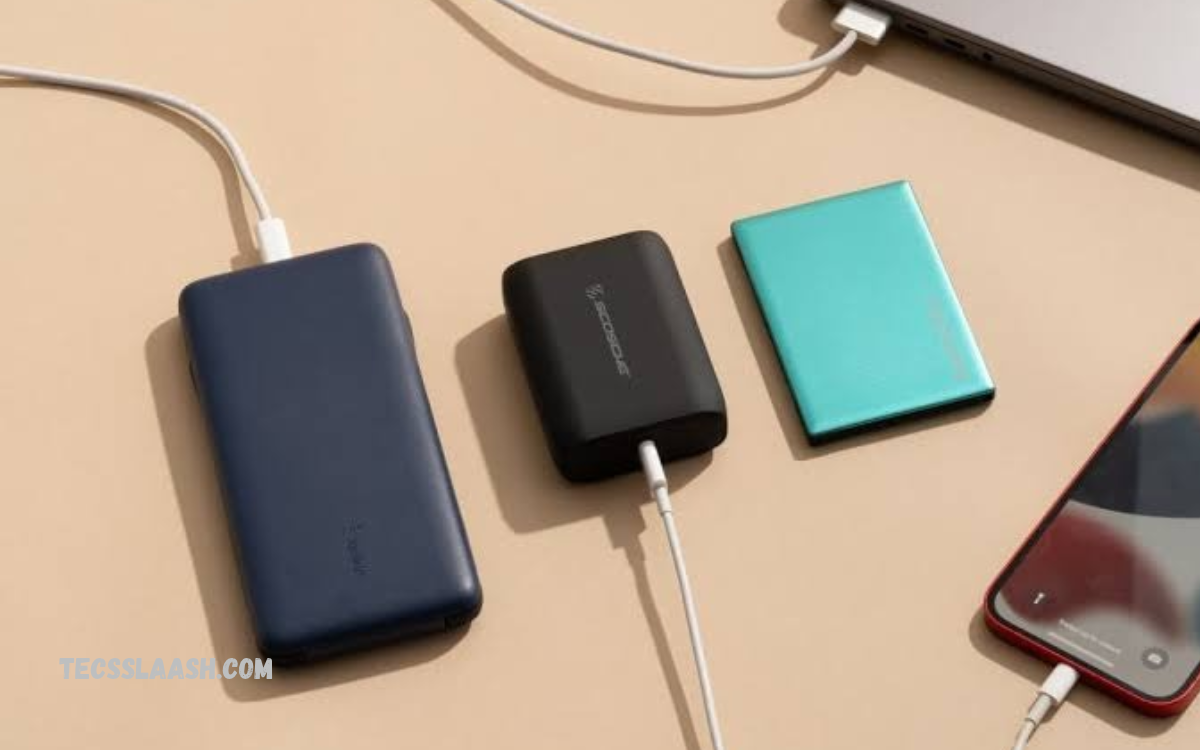
Smartphones have become an essential part of everyday life, helping people stay connected, work remotely, capture photos, navigate unfamiliar places, and enjoy entertainment on the go. However, even the most advanced smartphones can struggle to last a full day with heavy use. Streaming videos, playing games, attending online meetings, and using mobile data can quickly drain the battery, making a reliable power bank a valuable accessory.
The best power banks for smartphones offer a practical solution by providing extra battery capacity when a wall outlet isn’t available. Modern models feature fast charging, compact designs, multiple charging ports, and advanced safety protections. The right option depends on your phone, daily routine, charging needs, and budget. Understanding these features makes it easier to find a power bank that delivers dependable performance without unnecessary expense.
Why You Need a Reliable Power Bank for Your Smartphone?
A dependable power bank keeps your smartphone running through busy days, long journeys, outdoor activities, and unexpected emergencies. Instead of searching for an available electrical outlet, you can recharge your device almost anywhere. This convenience is especially useful for travelers, students, professionals, and anyone who regularly uses battery-intensive apps.
A good power bank also provides flexibility when charging opportunities are limited. Whether you need enough battery to finish an important call or want to keep your phone available for navigation, a portable charger can make a significant difference. The best choice combines the right capacity, reliable charging speed, durable construction, and convenient portability.
Best Power Banks for Smartphones: Top Picks
No single power bank suits every smartphone user. Some people need a lightweight accessory for daily commuting, while others prefer a high-capacity model that can recharge several devices during extended trips. Comparing different categories helps you identify the features that matter most for your particular needs.
When evaluating the best power banks for smartphones, consider battery capacity, charging technology, port selection, weight, and compatibility with your device. Established manufacturers such as Anker, UGREEN, Belkin, and Xiaomi offer different types of portable charging solutions. Specifications and availability vary by model, so check the exact features before you buy.
Best Power Banks for Fast Charging
Fast charging is one of the most important features to consider when choosing a modern power bank. Compatible chargers can deliver much more power than basic models, letting supported smartphones recharge faster. Technologies such as USB Power Delivery and Qualcomm Quick Charge are common in portable charging products, although compatibility depends on the phone and the specific power bank.
For the best results, select a model that supports your smartphone’s charging standard and required wattage. A power bank advertised with a high maximum output will not necessarily charge every phone at that speed. The cable, charging protocol, battery temperature, and the phone’s charging limits all influence actual performance.
Best High-Capacity Power Banks for Long Battery Life
High-capacity power banks are ideal for people who spend long hours away from home or frequently travel without convenient access to electricity. Models rated at 20,000mAh or more can provide substantial backup power for smartphones, wireless earbuds, tablets, and certain other compatible devices. They are especially useful during road trips, camping, business travel, and extended outdoor activities.
However, larger capacity usually means greater weight and size. A high-capacity power bank may offer multiple phone recharges, but the usable energy is lower than its advertised battery capacity because of voltage conversion and charging losses. If portability matters more than maximum backup time, a smaller model may be a more comfortable everyday option.
Best Compact Power Banks for Everyday Use
Compact power banks are designed for people who want convenient backup power without carrying a heavy accessory. Their lightweight construction makes them suitable for handbags, backpacks, pockets, and office bags. Many offer capacities between 5,000mAh and 10,000mAh, providing useful emergency charging for everyday use.
Some compact models include built-in USB-C cables, integrated connectors, or magnetic wireless charging features. These additions can reduce cable clutter and make charging more convenient. Before choosing one, confirm the connector and charging method work with your smartphone, especially if you use a phone case or rely on magnetic accessories.
Best Power Banks for iPhone and Android Smartphones
iPhone and Android users should focus on charging compatibility rather than choosing a power bank based on brand popularity alone. USB-C power banks that support USB Power Delivery are versatile options for many modern smartphones. However, maximum charging speeds vary by device, and some Android phones require specific charging standards to reach their advertised speeds.
Wireless charging can also be useful for compatible smartphones, especially when a power bank supports an appropriate magnetic alignment system. iPhone models and Android devices differ in wireless charging capabilities, so confirm the exact compatibility before buying. A well-matched power bank can provide reliable charging without requiring you to carry multiple accessories.
Important Features to Consider Before Buying
Battery capacity is a key starting point, but it shouldn’t be your only consideration. Look for the appropriate charging output, USB-C support, sufficient ports, clear battery indicators, and a design that fits your routine. If you regularly charge multiple devices, a model with multiple outputs can save time and reduce the number of accessories you need.
Safety features are equally important. Reputable power banks generally include protection against overcharging, overheating, excessive current, and short circuits. Build quality, warranty coverage, and manufacturer support can also affect long-term value. Avoid suspiciously cheap products with unclear specifications, missing safety information, or unrealistic capacity claims.
Read Also: Tesla Software Update: Latest Features, Improvements, and New Updates
Understanding Power Bank Capacity and Charging Speed
Power bank capacity is commonly measured in milliampere-hours (mAh). A higher number generally means more stored battery charge, but it doesn’t translate directly into the same number of full smartphone recharges. The internal battery voltage, conversion efficiency, cable losses, and the phone’s battery size all affect the final result.
Charging speed is usually expressed in watts, calculated by multiplying voltage by current. For example, a compatible 20W power bank may charge a supported phone faster than a basic 10W model. Nevertheless, charging speed often slows as the phone’s battery approaches full capacity or as the device warms up. Actual results therefore depend on several factors, not just the power bank’s headline specifications.
Are Wireless Power Banks Worth Buying?
Wireless power banks offer convenient charging without requiring a physical cable connection between the power bank and a compatible smartphone. Magnetic models can make alignment easier, while traditional wireless charging pads support compatible devices without built-in magnetic attachment. These features appeal to people who prefer a cleaner, simpler charging setup.
The main disadvantages are efficiency, heat, and charging speed. Wireless charging generally loses more energy than wired charging and may take longer to replenish the battery. If you prioritize convenience, wireless charging can be worthwhile. If maximum speed and battery efficiency are your main concerns, a compatible wired USB-C power bank is often the better choice.
Tips to Make Your Power Bank Last Longer
Proper care can help preserve a power bank’s performance over time. Store it in a cool, dry place, and avoid leaving it in a hot vehicle or exposing it to direct sunlight for long periods. Extreme temperatures can affect battery performance and may create safety risks, so follow the manufacturer’s storage and operating recommendations.
Use a compatible, high-quality cable and regularly inspect the power bank for damage. Avoid charging with accessories that have exposed wires or damaged connectors. If the battery casing swells, gets unusually hot, or shows visible damage, stop using the device. Following these simple precautions can help maintain reliable performance and reduce avoidable risks.
Common Mistakes to Avoid When Choosing a Power Bank
One common mistake is purchasing a power bank based solely on its advertised capacity. High capacity doesn’t guarantee fast charging, excellent build quality, or compatibility with every smartphone. Another mistake is overlooking weight, which can make a high-capacity model inconvenient for daily use.
Buyers should also avoid assuming that every USB-C power bank supports the same charging speeds. Different devices use different charging protocols and power limits. Before you decide, compare the manufacturer’s specifications with your smartphone’s requirements, check warranty terms, and buy from a reputable seller to reduce the risk of a counterfeit or poorly made product.
How to Choose the Right Power Bank for Your Lifestyle
The best power bank for daily commuting is usually compact, lightweight, and able to provide a useful battery boost when you need it. A 10,000mAh model offers a good balance of portability and capacity for many smartphone owners. People who use their phones heavily throughout the day may prefer faster charging and a larger battery reserve.
Frequent travelers and outdoor enthusiasts may find a 20,000mAh or higher-capacity model more practical. Professionals carrying several electronic devices should look for multiple charging ports and sufficient total output. Ultimately, the ideal power bank matches your actual charging habits rather than offering features you rarely use.
Frequently Asked Questions
What is the best power bank capacity for smartphones?
A 10,000mAh power bank is a practical choice for everyday smartphone use because it balances capacity and portability. A 20,000mAh model suits frequent travelers and people who need extra backup power.
Which power bank is best for fast charging?
The best option supports your smartphone’s charging protocol and required wattage. Look for compatible USB Power Delivery or Quick Charge support, depending on your device.
Is a 20,000mAh power bank enough for travel?
Yes, a 20,000mAh power bank provides substantial backup capacity for many trips. However, usable energy varies, and airlines may restrict larger power banks.
Can a power bank damage my smartphone battery?
A reputable, compatible power bank with appropriate safety protections should not damage your phone under normal use. Poor-quality products, excessive heat, and damaged cables can increase the risk of problems.
Are wireless power banks better than wired models?
Wireless power banks are convenient because they reduce cable use. Wired models are generally more energy-efficient and can charge compatible phones faster.
How many times can a 10,000mAh power bank charge a phone?
The number of charges depends on your phone’s battery capacity and energy losses. A 10,000mAh model typically delivers less usable energy than its headline rating suggests, so expect fewer charges than a simple capacity calculation might indicate.
Can I charge two smartphones simultaneously?
Yes, many power banks have multiple output ports, so you can charge two devices at once. Check the total output because available power may be divided between connected devices.
Should I buy a 10,000mAh or 20,000mAh power bank?
Choose 10,000mAh if you value portability and need occasional backup charging. Choose 20,000mAh if you need longer battery support, travel frequently, or regularly charge multiple devices.
How long does a power bank last?
A power bank’s lifespan depends on battery quality, how often you use it, storage conditions, and charging habits. Over time, its ability to hold a charge gradually decreases.
Is it safe to leave a power bank charging overnight?
Use a reputable power bank and compatible charger, and follow the manufacturer’s instructions. Avoid charging damaged devices or placing them under bedding, where heat can accumulate.
Conclusion
Choosing the best power banks for smartphones means finding the right balance of capacity, charging speed, portability, compatibility, and safety. A compact 10,000mAh model suits many everyday users, while a 20,000mAh option offers more backup power for travel and heavy smartphone use. Fast-charging support and reliable construction can make either option more useful.
Before purchasing, check the power bank’s actual specifications, charging standards, available ports, and safety features.

