


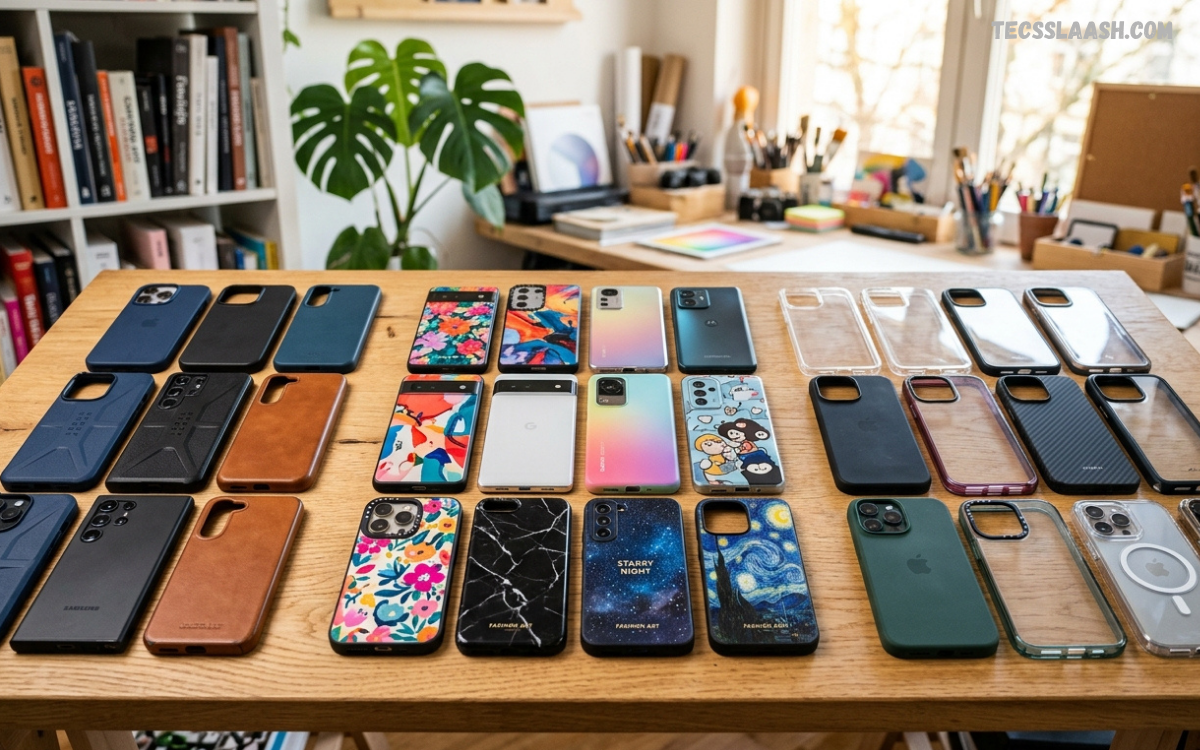
A smartphone is an important part of modern life, helping people communicate, work, study, capture photos, browse the internet, and enjoy entertainment. Because phones are carried throughout the day, they can easily face scratches, accidental drops, dust, and everyday wear.
Choosing the right case is not only about selecting an attractive design. A good case should match the phone model, provide suitable protection, feel comfortable in the hand, and support convenient access to buttons, ports, speakers, and cameras.
Why Are Mobile Phone Cases Important?
Smartphones can be expensive devices, and repairing a damaged screen, camera, or body can be costly. Mobile phone cases create a protective layer around the device that can help reduce damage caused by everyday accidents. A suitable case can protect against scratches, minor impacts, and surface damage.
A case also helps keep a phone looking newer for longer. Daily contact with desks, pockets, bags, and other objects can leave marks on the device. By covering the back and edges, a well-designed case can reduce this type of wear while allowing the phone to remain easy to use.
Different Types of Mobile Phone Cases
There are many types of mobile phone cases, including silicone cases, TPU cases, hard-shell cases, leather-style cases, rugged cases, bumper cases, wallet cases, and clear cases. Each option provides a different combination of protection, appearance, flexibility, and convenience. Understanding these categories helps users select a case that suits their daily needs.
Slim cases are suitable for people who prefer a lightweight design, while rugged cases are built for stronger protection. Clear cases highlight the original appearance of a smartphone, whereas wallet cases combine phone protection with storage space. The best option depends on how and where the phone is normally used.
Slim Mobile Phone Cases
Slim mobile phone cases are designed for users who want basic protection without adding much bulk. Their lightweight construction makes it easier to carry a phone in a pocket or small bag. They can protect the device from scratches and minor everyday impacts.
Another advantage of slim cases is their comfortable handling. A very thick case can make a large smartphone feel even bigger, while a thin design maintains more of the phone’s original shape. Slim cases are therefore popular among users who prioritize portability and a minimal appearance.
Rugged Mobile Phone Cases
Rugged mobile phone cases are designed for stronger protection against drops, bumps, and demanding environments. They often use reinforced corners, raised edges, and durable materials to provide additional protection around vulnerable areas. These features can be useful for active users and people who frequently work outdoors.
Rugged cases usually have a thicker construction than standard cases. This additional material can increase protection but may also add weight and size. Users should therefore balance protection with comfort before choosing a heavy-duty case for everyday use.
Clear Mobile Phone Cases
Clear mobile phone cases are a popular choice for people who want protection while keeping the original phone design visible. Transparent materials allow the color, finish, and branding of the smartphone to remain noticeable. This makes clear cases suitable for users who prefer a simple appearance.
Many clear cases are made from flexible materials that make installation and removal convenient. However, some transparent materials can become less clear over time because of exposure to sunlight, heat, oils, and regular handling. Choosing a quality material can help maintain the appearance for longer.
Silicone Mobile Phone Cases
Silicone cases offer a soft and comfortable surface that can provide a secure grip. Their flexible construction makes them easy to install and remove without requiring much effort. They are available in many colors, making them useful for users who want simple protection with a personalized style.
The soft exterior can also make the phone more comfortable to hold during extended use. A quality silicone case should fit the phone properly without interfering with buttons, charging ports, speakers, or wireless features. Checking compatibility before purchase is therefore important.
Leather-Style Mobile Phone Cases
Leather-style mobile phone cases provide a more sophisticated appearance and are often selected for professional or formal settings. They may feature smooth surfaces, textured finishes, card slots, or folding designs. These cases combine visual appeal with practical protection.
Authentic leather and synthetic leather options can differ significantly in price, durability, texture, and maintenance requirements. Users should check the material description before purchasing. A well-made leather-style case can provide a premium appearance while keeping the phone protected during everyday use.
Wallet Mobile Phone Cases
Wallet cases combine smartphone protection with storage for cards or other small essentials. Their folding design can cover both the front and back of the device, depending on the model. This can be convenient for users who prefer carrying fewer separate items.
The additional storage can make wallet cases thicker than standard designs. Users should also make sure the case closes securely and does not interfere with the phone’s screen, cameras, or charging system. A good wallet case should balance storage convenience with comfortable daily handling.
Bumper Mobile Phone Cases
Bumper cases mainly focus on protecting the edges and corners of a smartphone. These areas can receive significant impact during accidental drops, making reinforced edges an important feature. Some bumper designs leave more of the back visible while still adding protection around the frame.
This style can appeal to users who want a protective frame without completely covering the phone’s original design. However, protection varies between models, so users should examine whether the bumper includes raised edges around the screen and camera before purchasing.
Materials Used in Mobile Phone Cases
The material of a case has a major effect on its durability, flexibility, grip, appearance, and overall feel. Common materials include silicone, TPU, polycarbonate, leather, synthetic leather, and combinations of multiple materials. Each material offers different advantages for everyday smartphone protection.
TPU is flexible and commonly used in protective cases, while polycarbonate provides a harder structure. Silicone is known for its soft texture and grip, while leather-style materials focus more on appearance and comfort. Multi-layer cases combine materials to achieve different levels of protection.
How to Choose the Right Mobile Phone Cases
The first step is checking the exact smartphone model. Even phones with similar names can have different dimensions, button placements, camera layouts, or port positions. A case designed for another version may not fit correctly, so compatibility should always be confirmed before purchasing.
The next step is considering your everyday environment. Someone who mainly uses a phone at home may prefer a slim case, while someone who frequently travels or works outdoors may benefit from stronger protection. Choosing according to real usage makes the case more useful and comfortable.
Protection Level to Consider
Not every smartphone requires the same level of protection. Basic cases can be suitable for everyday scratches and minor bumps, while reinforced designs provide additional protection against more serious impacts. Raised bezels around the screen and camera can also help prevent direct contact with surfaces.
Users should avoid choosing a case based only on thickness. A well-designed case can provide meaningful protection through reinforced corners, shock-absorbing materials, precise fitting, and raised edges. The overall construction is often more important than simply having a bulky design.
Camera Protection Features
Modern smartphones often include advanced camera systems with lenses that can be vulnerable to scratches. Many protective cases include a raised camera frame that keeps the lenses slightly away from flat surfaces. This design can reduce direct contact when the phone is placed on a table.
Some cases provide individual protection around each camera lens, while others use a larger raised section around the complete camera module. Users should check the camera layout of their particular smartphone before selecting a case to ensure proper alignment and coverage.
Screen Protection and Raised Edges
A quality phone case can include raised edges around the display to create a small gap between the screen and a flat surface. This feature can reduce direct contact when the phone is placed face down. It can also provide additional protection around the display edges.
However, a phone case is not a replacement for careful handling or a suitable screen protector. Users who want additional display protection can combine a compatible case with a quality screen protector. The two products should fit together without lifting or interfering with each other.
Grip and Comfortable Handling
A smartphone case should feel secure in the hand without becoming uncomfortable. Smooth materials can look attractive but may provide less grip, while textured or soft-touch surfaces can make the phone easier to hold. This is especially useful for larger smartphones.
The case should also maintain comfortable access to buttons and controls. Buttons that are too stiff or difficult to press can make everyday use frustrating. A well-designed case should provide protection while keeping essential phone functions convenient.
Wireless Charging Compatibility
Wireless charging has become a common feature on many modern smartphones. Some thick or poorly designed cases can interfere with wireless charging performance. Before buying a case, users who rely on wireless charging should confirm that the design supports their charging system.
Magnetic accessories can also require compatible case construction. Some cases are designed specifically to work with magnetic mounts or charging accessories. Checking compatibility between the smartphone, case, charger, and accessories can prevent unnecessary problems.
Mobile Phone Cases for Everyday Use
For everyday use, a balanced case is often more practical than an extremely thin or extremely rugged option. Users typically need protection from scratches, minor drops, dust, and regular handling while still wanting a comfortable phone. A medium-protection case can provide a useful combination of these features.
The ideal everyday case should also be easy to clean and maintain. A design with accessible ports, responsive buttons, and a secure fit can make daily smartphone use more convenient. Simple designs can be especially practical for users who prefer functionality over decorative features.
Mobile Phone Cases for Students
Students often carry smartphones between classrooms, homes, transport, and outdoor locations. A durable case can help protect the phone from the normal bumps and movement associated with busy daily routines. Lightweight designs are particularly convenient because students may already carry books and other equipment.
A case with a good grip can also reduce the chance of accidentally dropping the phone while walking or using it between activities. Bright colors, transparent designs, and simple patterns allow students to personalize their devices without sacrificing basic protection.
Mobile Phone Cases for Travel
Travel can expose smartphones to more demanding conditions, including crowded spaces, frequent handling, luggage storage, and accidental bumps. A protective case with reinforced corners can provide an additional layer of security during trips. A raised camera and screen edge can also be useful features.
Travelers may also benefit from cases that work with charging accessories and car mounts. A secure fit is especially important when a phone is repeatedly removed from pockets, bags, or holders. Choosing a practical case before traveling can help reduce everyday handling concerns.
Read Also: Smartphone Cases: Complete Guide to Choosing the Right Phone Protection
Stylish Mobile Phone Cases
Protection does not mean sacrificing personal style. Modern mobile phone cases are available in countless colors, patterns, textures, finishes, and shapes. Users can choose minimalist designs, bold patterns, professional finishes, or transparent styles according to their preferences.
A stylish case can also make a smartphone feel more personal. However, appearance should not be the only factor considered. A beautiful case that fits poorly or provides limited protection may be less useful than a simple design with stronger construction and better compatibility.
Custom Mobile Phone Cases
Custom cases allow users to create personalized designs using photographs, artwork, names, patterns, or other visual elements. They can be a creative option for people who want a phone accessory that feels different from standard retail designs.
When selecting a custom case, users should still prioritize material quality and precise fitting. A personalized design has little value if the case interferes with buttons, cameras, speakers, or charging ports. Customization should complement practical protection rather than replace it.
How to Maintain Mobile Phone Cases
Regular cleaning can help keep a phone case looking fresh and reduce the buildup of dust, oils, and dirt. The appropriate cleaning method depends on the case material. Follow the manufacturer’s care instructions and avoid harsh cleaning products that could damage the surface.
It is also useful to inspect a case periodically for cracks, loose edges, stretched areas, or damaged corners. A case that has become significantly worn may provide less protection than when it was new. Replacing a damaged case can help maintain reliable protection.
Common Mistakes When Buying a Phone Case
One common mistake is purchasing a case without checking the exact phone model. Similar smartphones can have different dimensions and camera arrangements, making compatibility essential. Buyers should carefully review the product information before placing an order.
Another mistake is focusing only on appearance or price. A low-cost case may not always provide the durability required for everyday use, while an expensive case may include features that a particular user does not need. The best choice combines suitable protection, comfort, compatibility, and reasonable value.
Mobile Phone Cases and Device Appearance
A smartphone case can significantly change the appearance of a device. Minimalist cases can preserve the original look, while colorful and patterned options can create a completely different style. This makes cases useful accessories as well as protective products.
Transparent designs are particularly useful when users want to display the original phone color. Textured finishes can add visual interest while improving grip. The wide variety of available designs means users can choose an appearance that matches their personal preferences and daily environment.
Balancing Price and Quality
Price is an important consideration when selecting mobile phone cases, but the cheapest option is not always the best value. A case should provide reliable construction, proper fitting, functional buttons, and appropriate protection. Spending slightly more on a well-designed product can sometimes provide better long-term value.
At the same time, users do not necessarily need the most expensive case available. The right choice depends on the phone’s value, daily environment, desired protection, and personal preferences. Comparing materials and features can help buyers find a suitable option without unnecessary spending.
Frequently Asked Questions
Are mobile phone cases necessary?
A phone case is not mandatory, but it can provide useful protection against scratches, minor impacts, and everyday wear. The right case can also improve grip and make the device more comfortable to handle.
Which material is best for a phone case?
There is no single best material for everyone. TPU provides flexibility, silicone offers a soft grip, polycarbonate provides a harder structure, and leather-style materials offer a premium appearance. The best material depends on individual needs.
Are slim mobile phone cases protective?
Slim cases can provide protection against scratches, minor bumps, and everyday wear. However, they may offer less impact protection than rugged cases because they generally use less material and have a thinner construction.
Do clear phone cases turn yellow?
Some transparent materials can become yellowish or less clear over time because of exposure to sunlight, heat, oils, and regular use. Higher-quality materials and proper maintenance can help reduce this issue.
Can a phone case protect the camera?
Many cases include raised areas around the camera module to reduce direct contact with surfaces. However, the level of protection varies by design, so users should check the case construction before purchasing.
Can mobile phone cases affect wireless charging?
Some cases can interfere with wireless charging, particularly very thick or incompatible designs. Users who regularly use wireless charging should select a case specifically designed to support their charging setup.
How often should a phone case be replaced?
There is no fixed replacement schedule. A case should be replaced when it becomes cracked, loose, badly worn, or unable to protect the phone properly. Regular inspection can help identify when replacement is needed.
Are rugged phone cases better?
Rugged cases can provide stronger protection, especially for users who frequently drop their phones or spend time in demanding environments. However, they can also be heavier and bulkier than standard cases.
What should I check before buying a phone case?
Check the exact phone model, case material, protection level, camera alignment, button access, charging compatibility, grip, size, and overall construction. These factors help ensure the case meets your daily requirements.
Can phone cases improve grip?
Yes. Many cases use textured, rubberized, silicone, or soft-touch surfaces that can make a smartphone easier to hold. Improved grip can make everyday handling more comfortable and secure.
Conclusion
Mobile phone cases are practical accessories that can protect smartphones while adding style, grip, and useful functionality. From slim silicone designs to rugged protective models, different cases serve different needs. The most suitable choice depends on the phone model, lifestyle, preferred appearance, and desired protection level.
Before buying a case, check compatibility, material quality, camera protection, raised edges, button access, charging support, and overall comfort. A carefully selected case can make everyday smartphone use more convenient while helping protect the device from common forms of wear and accidental damage.

