


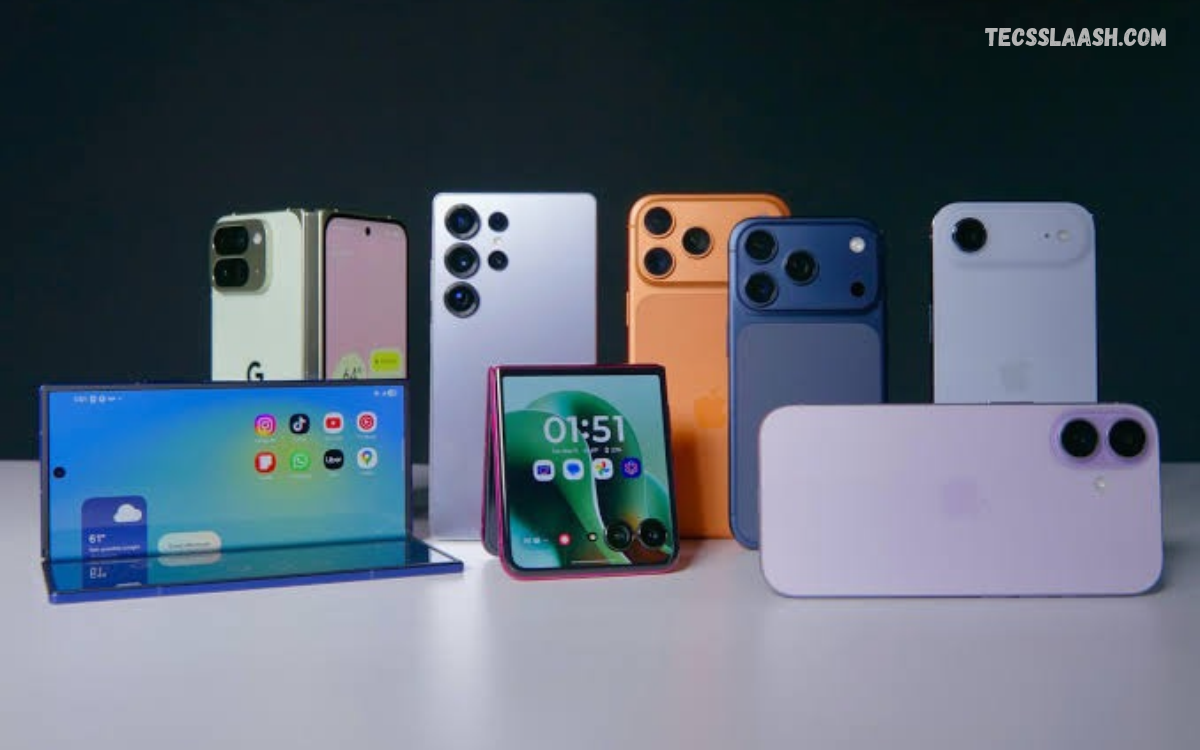
The smartphone industry continues to evolve rapidly, and Mobile Phones 2026 represents a major step forward in performance, artificial intelligence, camera technology, battery efficiency, connectivity, and display quality.
For buyers planning a new smartphone purchase, 2026 offers a wide range of options across flagship, mid-range, budget, gaming, camera, foldable, and AI-focused categories. Manufacturers are competing to deliver faster processors, brighter displays, improved cameras, longer battery life, advanced charging systems, and smarter software experiences.
Mobile Phones 2026: What Has Changed
Mobile phones in 2026 focus heavily on intelligent software and practical hardware improvements. Artificial intelligence is becoming more deeply integrated into smartphone operating systems, cameras, search tools, productivity applications, translation features, photo editing, voice assistance, and personalization
Hardware improvements remain equally important. New-generation processors deliver higher performance while improving energy efficiency, allowing smartphones to handle demanding applications without sacrificing battery endurance.
AI Features in Mobile Phones 2026
Artificial intelligence is one of the biggest developments shaping smartphones in 2026. Modern devices can use AI to summarize information, edit photos, remove unwanted objects, improve voice recordings, translate conversations, organize notes, generate text, and provide contextual recommendations.
On-device AI processing is becoming especially important because it lets certain functions work without constantly sending information to remote servers. Dedicated neural processing hardware inside modern chipsets can handle AI workloads efficiently while reducing latency.
Smartphone Processors and Performance
Processor technology remains a major factor when comparing Mobile Phones 2026. Flagship chipsets are designed to provide high CPU and GPU performance while maintaining better power efficiency. This combination benefits gaming, video editing, multitasking, photography, AI processing, and demanding professional applications.
Mid-range processors are also becoming increasingly capable. Buyers no longer need the most expensive flagship to receive smooth everyday performance. A well-designed mid-range smartphone can provide fast application launches, efficient multitasking, reliable gaming performance, and long-term usability when paired with sufficient RAM and modern storage technology.
5G Connectivity in Mobile Phones 2026
5G has become a standard consideration for many smartphone buyers, and Mobile Phones 2026 continue expanding 5G availability across different price segments. Faster mobile networks can improve downloads, streaming, cloud gaming, video calls, and other connected experiences where compatible network coverage is available.
However, buyers should not select a smartphone based on the 5G label alone. Network band compatibility, modem quality, carrier support, signal efficiency, and regional availability can affect the real-world experience. A balanced smartphone with reliable connectivity can be more useful than a device offering a higher theoretical network speed.
Smartphone Camera Technology
Camera systems continue to be one of the strongest selling points of modern smartphones. Mobile Phones 2026 increasingly combine larger sensors, advanced image processing, optical stabilization, computational photography, improved HDR, and AI-assisted photography. These technologies help smartphones produce better results across daylight, indoor, portrait, and nighttime conditions.
Multi-camera systems also continue to evolve. Wide-angle, ultrawide, telephoto, and periscope-style cameras provide greater flexibility for different shooting situations. Instead of focusing only on megapixel numbers, buyers should consider sensor size, stabilization, autofocus, optical zoom, image processing, and video capabilities when comparing smartphone cameras.
Smartphone Displays in 2026
Displays have become significantly more advanced, with high refresh rates now common across many smartphone categories. A fast refresh rate can make scrolling, gaming, animations, and general navigation feel smoother. Premium smartphones often combine high refresh rates with excellent brightness, accurate colors, strong contrast, and efficient power management.
Display durability is also an important consideration. Modern smartphones use stronger protective materials and improved glass technologies to reduce the risk of scratches and accidental damage. Buyers should also consider screen size, resolution, outdoor visibility, touch responsiveness, and brightness rather than focusing exclusively on refresh rate.
Battery Life and Charging
Battery endurance remains one of the most important factors when selecting Mobile Phones 2026. Manufacturers are working to increase battery capacity while improving processor efficiency and software optimization. These improvements can help users achieve longer daily usage without making smartphones excessively thick or heavy.
Fast charging is also becoming increasingly important. Modern charging systems can deliver substantial battery capacity in a relatively short time, making it easier to recharge during busy schedules. Wireless charging continues to appeal to premium buyers because of its convenience, while wired charging generally remains the faster option on many devices.
Mobile Phones 2026 for Gaming
Gaming smartphones and performance-focused devices continue to attract users who want high frame rates, responsive controls, and sustained performance. Powerful GPUs, high-refresh-rate displays, advanced cooling systems, large batteries, and gaming-oriented software can provide a better experience for demanding mobile games.
Mainstream flagship and upper-mid-range phones can also deliver excellent gaming performance. Buyers who play occasionally may not need a specialized gaming phone. A balanced smartphone with a capable chipset, efficient cooling, good display, stereo speakers, and strong battery life can provide excellent gaming performance while remaining useful for photography, work, and everyday tasks.
Foldable Mobile Phones 2026
Foldable smartphones remain an important premium category in 2026. Foldable designs can offer a larger internal display while staying compact when closed. This makes them attractive to users who want additional screen space for multitasking, reading, video consumption, productivity, and creative applications.
The technology continues to improve through better hinge designs, thinner bodies, stronger flexible displays, and more refined software. However, foldable smartphones can still cost more than conventional models.
Read Also: Latest Mobile Phones: New Smartphones and Upcoming Releases
Budget Mobile Phones 2026
Budget smartphones remain extremely important because they provide essential smartphone capabilities at accessible prices. In 2026, affordable models can offer features once limited to expensive devices, including high-refresh-rate displays, 5G connectivity, capable cameras, large batteries, fast charging, and modern software.
Price-conscious buyers should prioritize overall balance over chasing individual specs. A smartphone with dependable software updates, efficient performance, good battery life, reliable network connectivity, and adequate storage can provide a better long-term experience than a cheaper phone with impressive specifications but poor optimization.
Mid-Range Mobile Phones 2026
The mid-range segment has become one of the most competitive areas of the smartphone market. Mobile Phones 2026 in this category can deliver strong performance, attractive displays, capable cameras, 5G connectivity, fast charging, and premium-looking designs without reaching flagship prices.
For many users, a mid-range smartphone represents the best combination of price and functionality. Buyers who don’t need extreme gaming performance, professional photography, or specialized premium features can often save significant money by choosing a well-reviewed mid-range model.
Flagship Mobile Phones 2026
Flagship smartphones represent the highest level of mobile technology available from major manufacturers. These devices typically combine advanced processors, premium displays, sophisticated camera systems, high-quality materials, powerful AI features, fast connectivity, and extensive software support.
The biggest advantage of a flagship is not always a single specification. Instead, premium devices often provide a more complete experience with better cameras, stronger performance, higher-quality displays, improved speakers, advanced connectivity, and longer software support. Buyers who keep a smartphone for several years may find these advantages particularly valuable.
Mobile Phones 2026 for Photography
Photography-focused smartphones are becoming increasingly capable of replacing dedicated cameras for everyday photography. Computational photography allows smartphones to combine multiple exposures, improve dynamic range, reduce noise, enhance details, and optimize colors automatically.
Users interested in mobile photography should examine the complete camera system instead of relying on megapixel counts. Optical stabilization, sensor quality, telephoto performance, autofocus, portrait processing, RAW support, video recording, and low-light capabilities can make a much larger difference to real-world results.
Mobile Phones 2026 for Video Recording
Video recording has become another major smartphone feature. Premium devices can offer high-resolution recording, stabilized footage, advanced microphones, cinematic modes, slow-motion recording, and improved HDR video. These capabilities make smartphones useful for social media creators, vloggers, travelers, students, and professionals.
Before choosing a smartphone for video, buyers should examine stabilization, recording resolution, frame-rate options, microphone quality, storage capacity, heat management, and editing performance. High-resolution video can consume significant storage, so sufficient internal storage is especially important for frequent creators.
Smartphone Design and Build Quality
Design remains an important part of the Mobile Phones 2026 experience. Manufacturers are experimenting with slimmer bodies, stronger frames, refined camera modules, textured finishes, improved ergonomics, and more durable materials. Premium models often emphasize both appearance and structural durability.
A good smartphone should also be comfortable to hold. Large displays can be excellent for entertainment and productivity but may be difficult to operate with one hand. Buyers should consider weight, thickness, dimensions, button placement, grip, and overall ergonomics before making a purchase.
Smartphone Storage and RAM
Storage and RAM directly affect smartphone usability. More RAM can help devices keep multiple applications active, while faster storage can improve application loading, file transfers, photography processing, and general responsiveness. Mobile Phones 2026 increasingly offer configurations designed for different levels of usage.
Users who take many photos, record videos, install large games, or download offline media should consider higher storage capacity. Cloud storage can help manage files, but local storage remains important for users who frequently work without an internet connection or store large media libraries on their devices.
Software Updates and Security
Software support is one of the most important long-term considerations when purchasing a smartphone. Regular operating system updates can introduce new features, improve performance, enhance compatibility, and extend the useful life of a device. Security updates are equally important because they help protect smartphones against newly discovered vulnerabilities.
Buyers should check the manufacturer’s update policy before purchasing a phone. A device with strong hardware but limited software support may become less attractive over time. Longer update commitments can increase the overall value of a smartphone and reduce the need for frequent replacement.
Mobile Phone Security and Privacy
Smartphone security has become increasingly important as phones store personal photographs, messages, financial information, documents, passwords, and account credentials. Modern Mobile Phones 2026 commonly provide biometric authentication, encrypted storage, secure processors, application permissions, and privacy controls.
Users should keep their operating system updated and avoid installing applications from unreliable sources. Strong passwords, biometric authentication, two-factor authentication, and careful permission management can further improve smartphone security. Privacy-focused settings should be reviewed regularly because applications may request access to location, cameras, microphones, contacts, and files.
Sustainable Smartphone Technology
Environmental considerations are becoming more relevant in the smartphone industry. Manufacturers are exploring recycled materials, improved packaging, energy-efficient components, longer software support, and repair-friendly approaches. Extending the useful life of a smartphone can also reduce electronic waste.
Consumers can contribute by keeping devices for longer periods, protecting screens and batteries, repairing smartphones when practical, and recycling old devices through appropriate programs. Choosing a phone with reliable long-term software support can make sustainability easier because the device remains useful for more years.
How to Choose Mobile Phones 2026
The best smartphone depends on individual requirements rather than a universal specification list. A student may prioritize battery life and price, while a photographer may focus on cameras and storage. A gamer may need sustained processor performance and a high-refresh-rate display, while a business user may prioritize security, productivity features, connectivity, and software support.
Before purchasing, create a shortlist based on budget and primary usage. Compare processor performance, display quality, camera hardware, battery capacity, charging speed, software support, storage, connectivity, and build quality. This approach helps prevent unnecessary spending on features that may not provide meaningful benefits.
Best Features to Prioritize
For most buyers, battery life, processor efficiency, display quality, camera reliability, software support, storage, and network compatibility are among the most useful features to evaluate. These specifications influence everyday performance and can determine whether a smartphone remains enjoyable after several years.
Buyers should also consider practical features such as stereo speakers, NFC, water resistance, eSIM support, wireless charging, expandable storage where available, and repairability. Not every feature is essential for every user, so the best purchase is the phone that matches personal requirements rather than the phone with the longest specification sheet.
Mobile Phones 2026 Price Categories
Smartphones in 2026 span a broad range of prices, making it possible for different types of buyers to find suitable options. Entry-level phones focus on essential communication, social media, browsing, and entertainment, while mid-range models provide stronger performance and more premium features.
Premium and flagship devices target users who want the latest technology with fewer compromises. Instead of setting a budget based solely on the maximum amount available, buyers should consider the expected ownership period. Spending slightly more on a durable phone with longer software support can sometimes provide better value over several years.
Common Smartphone Buying Mistakes
One common mistake is choosing a smartphone based solely on camera megapixels, RAM, or processor clock speed. Specifications can provide useful information, but real-world optimization, software quality, thermal management, camera processing, and battery efficiency can be equally important.
Another mistake is ignoring software support and repair considerations. A phone may look attractive at launch but become inconvenient if updates stop quickly or replacement parts are difficult to obtain. Buyers should evaluate the complete ownership experience rather than focusing only on the initial purchase price.
Future of Mobile Phones
The future of Mobile Phones 2026 is likely to focus increasingly on AI-powered experiences, efficient hardware, advanced imaging, improved connectivity, flexible displays, and stronger integration with other devices. Smartphones are gradually becoming central control points for digital services, wearable technology, smart home systems, productivity tools, and entertainment.
Future smartphones may also become more personalized through AI systems that understand user preferences, routines, and contextual requirements. At the same time, privacy, security, energy efficiency, and responsible AI implementation will become increasingly important as smartphones gain more intelligent capabilities.
Are Mobile Phones 2026 Worth Buying?
For users with an older smartphone, upgrading in 2026 can provide meaningful improvements in performance, battery efficiency, cameras, displays, connectivity, and software capabilities. The benefits are particularly noticeable for devices several years old that no longer receive major updates or struggle with demanding applications.
However, users with a relatively recent smartphone may not need to upgrade immediately. Modern phones can remain capable for years with proper maintenance. An upgrade makes the most sense when the existing device has battery degradation, insufficient performance, outdated software, poor camera quality, storage limitations, or missing features that are important to the user.
Frequently Asked Questions
What are Mobile Phones 2026?
Mobile Phones 2026 refers to the latest generation of smartphones available during 2026, including budget, mid-range, flagship, gaming, camera, foldable, and AI-focused devices. These phones emphasize performance, connectivity, photography, battery efficiency, and intelligent software.
What is the biggest smartphone trend in 2026?
Artificial intelligence is one of the biggest smartphone trends in 2026. AI is being integrated into photography, writing, translation, productivity, search, voice functions, personalization, and other smartphone experiences.
Are 5G phones still important in 2026?
Yes. 5G remains important because compatible networks can provide faster mobile data, lower latency, and improved connectivity. However, buyers should verify network-band compatibility and coverage before selecting a phone.
Are budget smartphones good in 2026?
Many budget smartphones offer strong value in 2026. Affordable devices can provide modern displays, capable processors, 5G, large batteries, fast charging, and useful cameras, although premium features may be limited.
Should I buy a flagship smartphone in 2026?
A flagship can be worthwhile for users who want advanced cameras, maximum performance, premium displays, better materials, advanced connectivity, and longer software support. Other users may receive better value from a strong mid-range phone.
Are foldable phones worth buying?
Foldable phones can be useful for users who value larger displays, multitasking, and unique form factors. However, their higher prices and different durability considerations mean buyers should compare them carefully with conventional smartphones.
How much RAM is enough for a smartphone?
The ideal RAM capacity depends on how you use the phone. Everyday users can work comfortably with moderate RAM, while heavy multitaskers and gamers may benefit from higher configurations. Software optimization also affects overall performance.
What should I check before buying a smartphone?
Check the processor, battery life, charging speed, camera system, display, storage, RAM, network compatibility, software update policy, security features, durability, and price. Consider how each feature relates to your actual daily usage.
How long can a 2026 smartphone last?
A quality smartphone can stay useful for several years with software and security updates. Battery condition, hardware durability, storage capacity, and update availability strongly influence its usable lifespan.
What is the best mobile phone choice for 2026?
No single smartphone is best for everyone. The ideal choice depends on budget and priorities such as gaming, photography, battery life, AI features, productivity, display quality, or long-term software support.
Conclusion
Mobile Phones 2026 offer a broad combination of advanced hardware, intelligent software, powerful processors, capable cameras, high-quality displays, faster connectivity, and improved battery technologies.
The best smartphone is ultimately the one that fits a user’s actual requirements and budget. Instead of choosing a device for a single impressive specification, buyers should evaluate performance, battery life, cameras, display quality, software support, storage, security, connectivity, durability, and long-term value.

