


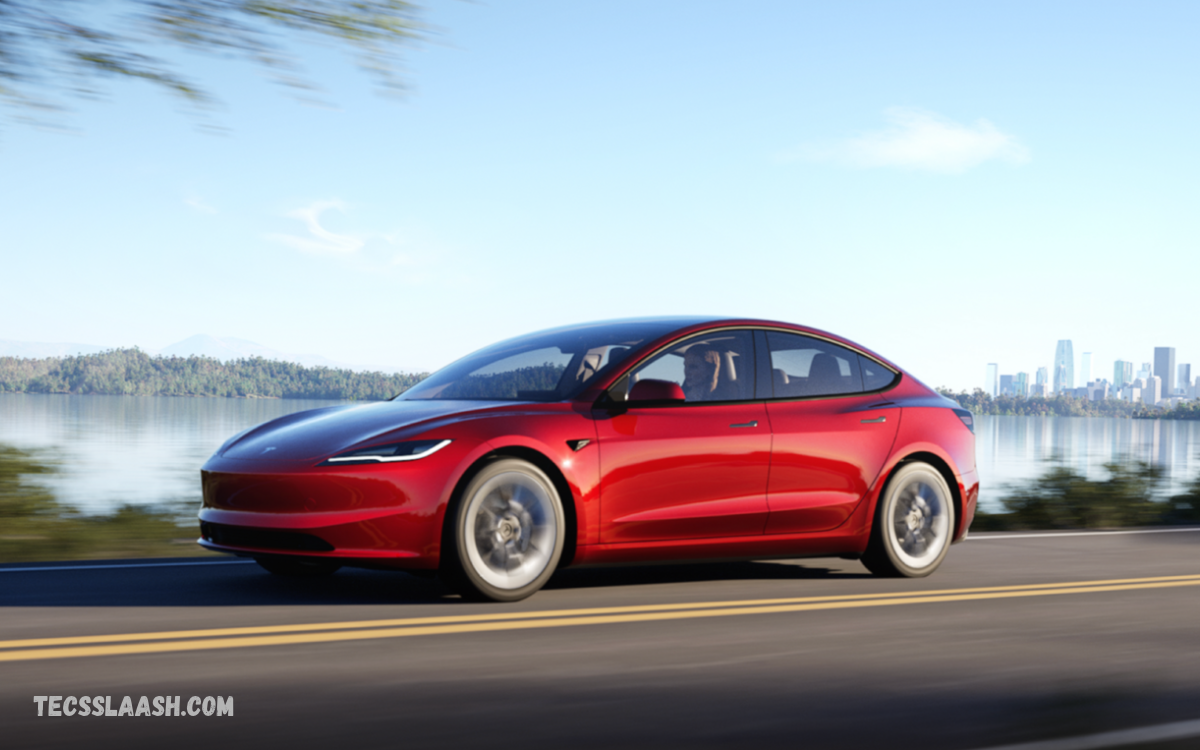
Tesla cars have transformed the automotive industry through electric power, advanced technology, and modern vehicle design. These vehicles offer an alternative to traditional petrol-powered cars, with smooth acceleration, digital controls, and energy-efficient transportation.
Tesla cars combine rechargeable batteries, electric motors, software updates, and connected services. From electric sedans to spacious SUVs, the company offers several options for different lifestyles, budgets, and driving requirements.
What Are Tesla Cars?
Tesla cars are battery-electric vehicles that run without petrol or diesel engines. They use rechargeable battery packs to power electric motors, delivering responsive acceleration, quiet operation, and zero tailpipe emissions.
Tesla develops electric vehicles, charging infrastructure, vehicle software, and energy products. Its focus on performance, digital technology, and charging convenience has helped increase public interest in electric transportation.
Popular Tesla Car Models
Tesla offers several vehicle models designed for different transportation needs. The Model 3 focuses on sedan practicality, while the Model Y combines passenger comfort with SUV-style versatility. Other models target buyers seeking premium features or specialized vehicle designs.
Model availability, equipment, pricing, and specifications can change by country and production year. Buyers should compare driving range, passenger capacity, cargo space, charging speed, and purchase price before selecting a suitable model.
Tesla Model 3
The Tesla Model 3 is an electric sedan suited to commuting, family transportation, and highway travel. Its streamlined design, responsive electric drivetrain, and minimalist interior make it an appealing choice for drivers seeking a modern daily vehicle.
Depending on the version, the Model 3 offers different combinations of driving range, acceleration, and drivetrain capabilities. Its touchscreen manages navigation, climate settings, entertainment, and various vehicle functions.
Tesla Model Y
The Tesla Model Y is a crossover SUV designed for drivers who need flexible passenger and cargo space. Its elevated seating position, adaptable storage areas, and practical interior make it suitable for families and longer journeys.
The Model Y shares several design and technology principles with the Model 3 but offers a different body shape and cabin layout. Buyers should compare luggage capacity, rear-seat comfort, passenger space, and vehicle dimensions before deciding.
Tesla Model S
The Tesla Model S is a premium electric sedan known for its performance, long-distance comfort, and sophisticated technology. Depending on the available version, it offers powerful acceleration, advanced cabin features, and an electric drivetrain built for demanding driving conditions.
The Model S may appeal to buyers who prioritize premium features and performance. However, insurance, tires, replacement parts, and repair costs should be considered when calculating its total ownership expenses.
Tesla Model X
The Tesla Model X is a larger electric SUV known for its distinctive rear doors, spacious cabin, and optional three-row seating. It combines electric performance with the flexibility expected from a premium family vehicle.
Buyers considering the Model X should examine passenger capacity, third-row access, child-seat compatibility, luggage requirements, and parking dimensions. Its larger body and additional equipment may also increase purchase and maintenance costs.
Tesla Cybertruck
The Tesla Cybertruck is an electric pickup designed with angular styling and a distinctive stainless-steel exterior. Its pickup configuration targets drivers who want electric transportation with a cargo bed and utility-focused design.
Potential buyers should evaluate payload, towing capacity, cargo dimensions, driving range under load, and access to compatible charging facilities. Local registration rules, service availability, and vehicle dimensions also deserve attention.
Key Features of Tesla Cars
Tesla cars include features designed to improve comfort, convenience, and driving efficiency. Depending on the model, equipment, and software version, drivers may access touchscreen controls, navigation, climate control, smartphone integration, voice commands, and connected services.
Software updates can introduce improvements and select new features without requiring a traditional dealership visit for every change. However, availability depends on vehicle hardware, regional regulations, model differences, and software compatibility.
Electric Performance and Acceleration
One of Tesla’s main attractions is its electric performance. Electric motors can deliver strong torque almost immediately, helping vehicles accelerate smoothly from a standstill and respond quickly during everyday driving.
Tesla vehicles offer different drivetrain configurations, including single-motor and dual-motor systems. Some versions prioritize efficiency, while performance models focus on faster acceleration.
Tesla Cars Driving Range
Driving range describes the distance a vehicle can travel using its available battery charge. Tesla cars offer different ranges depending on battery capacity, drivetrain, wheel selection, vehicle weight, and model configuration.
Real-world range may differ from official estimates because of highway speeds, cold temperatures, heating or air-conditioning use, steep roads, and heavy cargo. Drivers planning long journeys should identify charging stops and maintain a suitable battery reserve.
Charging Options for Tesla Cars
Tesla cars can be charged at home or at compatible public charging stations. Home charging is convenient because owners can replenish the battery while the vehicle sits parked overnight. Charging speed depends on the equipment, electrical capacity, and vehicle configuration.
Public charging networks offer added flexibility for drivers without private parking or who travel long distances. Tesla Superchargers support rapid charging at compatible locations, while other networks may offer additional options.
Interior Comfort and Design
Tesla interiors feature a minimalist design that emphasizes digital controls, open cabin layouts, and modern materials. Depending on the model, occupants may benefit from supportive seating, panoramic glass roofs, adjustable climate settings, and useful storage areas.
The central touchscreen manages many vehicle functions, including navigation, entertainment, and settings. Although this design creates a streamlined dashboard, some drivers may prefer physical controls for frequently used functions.
Safety Technology and Driver Assistance
Tesla cars include safety systems intended to support drivers and reduce certain collision risks. Depending on the model and market, features may include automatic emergency braking, collision warnings, blind-spot monitoring, and lane-related assistance.
Autopilot and Full Self-Driving features provide different levels of driving assistance where available. These systems do not make a vehicle universally self-driving, and drivers must remain attentive and ready to take control. Understanding their limitations and following local traffic laws are essential for safe operation.
Tesla Software and Smart Technology
Software plays an important role in the Tesla ownership experience. The vehicle’s operating system manages navigation, charging information, cabin settings, entertainment, and selected vehicle diagnostics. Over-the-air updates may improve existing functions or introduce supported changes.
The Tesla mobile app provides access to selected remote vehicle functions, depending on the model and account settings. Owners may be able to check charging status, locate their vehicle, manage climate settings, and use supported controls.
Advantages of Owning Tesla Cars
Tesla cars offer several potential advantages for everyday transportation. Electric power eliminates tailpipe emissions, reduces dependence on petrol, and removes the need for conventional engine oil changes. Home charging can also simplify daily travel for owners with suitable electrical infrastructure.
Another advantage is the integration of vehicle software, navigation, and charging services. Drivers can monitor energy consumption, plan journeys, and enjoy responsive electric acceleration. Actual savings depend on electricity prices, annual mileage, insurance, purchase costs, and maintenance requirements.
Disadvantages of Tesla Cars
Despite their benefits, Tesla cars may not suit every driver. Purchase prices can be high, insurance premiums may be expensive, and specialized repairs can require trained technicians. Charging access may also be inconvenient for people living in apartments without dedicated parking or nearby public charging facilities.
Battery range and charging times require more planning than refueling a petrol vehicle. Public charging prices vary, while rapid charging may cost more than charging at home. Buyers should consider local service coverage, parts availability, warranty terms, and resale value before purchasing.
Read Also: Celebrity Net Worth in 2026: Earnings, Income Sources, and Wealth Rankings
Tesla Cars Maintenance and Battery Life
Battery-electric vehicles generally require less routine mechanical maintenance than petrol-powered vehicles. Tesla owners do not need conventional engine oil changes, spark plug replacements, or exhaust-system servicing.
Battery performance can gradually change with age, temperature, usage, and charging habits. Tesla battery warranties vary by model and configuration, including specific time periods and mileage limits. Owners should review their vehicle’s warranty and follow recommended maintenance and charging practices.
How Much Do Tesla Cars Cost?
Tesla car prices depend on the model, configuration, country, taxes, delivery charges, and optional equipment. A smaller sedan may offer a more accessible entry point than a premium sedan or larger SUV. Buyers should consult Tesla’s official website for current local pricing and available configurations.
The purchase price is only part of the total cost of ownership. Electricity, insurance, tires, maintenance, registration, financing, and home charger installation can affect the overall budget. Comparing these expenses with the expected cost of a petrol vehicle provides a clearer financial picture.
Are Tesla Cars Worth Buying?
Tesla cars can be a strong option for drivers seeking electric performance, connected technology, and convenient charging. They may be particularly practical for people who can charge at home and whose daily journeys fit comfortably within the vehicle’s usable range.
However, the best choice depends on individual needs rather than brand popularity. Buyers should compare competing electric vehicles, test-drive suitable models, check service availability, and calculate realistic ownership costs before deciding.
The Future of Tesla Cars
The future of Tesla cars will depend on developments in battery technology, manufacturing efficiency, charging infrastructure, and vehicle software. Improvements in battery chemistry and energy management could support better efficiency, while expanded charging networks may make electric travel more convenient.
Driver-assistance technology, connected services, and energy integration are other important areas of development. However, treat future capabilities, release dates, prices, and performance improvements as projections until they are officially confirmed.
Frequently Asked Questions
Are Tesla Cars Fully Electric?
Yes, Tesla cars are battery-electric vehicles that use rechargeable batteries and electric motors instead of petrol or diesel engines. They require electricity for charging and produce no tailpipe emissions while driving. Their overall environmental impact also depends on battery production, manufacturing, electricity generation, and vehicle lifespan.
How Long Does It Take to Charge a Tesla?
Charging time depends on battery size, starting charge level, charger power, temperature, and the vehicle’s charging limits. Home charging may take several hours, while compatible rapid chargers can replenish the battery much faster. Actual charging times vary by model and charging conditions.
Can Tesla Cars Be Driven Long Distances?
Yes, Tesla cars can support long-distance travel when drivers plan charging stops appropriately. Navigation and compatible charging networks can help identify suitable locations along a route. Drivers should check charger availability, weather conditions, and practical driving range before departure.
Do Tesla Cars Require Regular Maintenance?
Yes, Tesla cars require maintenance even though they have fewer conventional engine-related service requirements. Tire inspections, brake checks, cabin filter replacements, suspension inspections, and other recommended tasks remain important. Following the manufacturer’s maintenance guidance helps support safety and long-term reliability.
Are Tesla Cars Suitable for Family Use?
Several Tesla models can work well for everyday family transportation. The Model 3 offers sedan practicality, while the Model Y provides a crossover body and flexible cargo space. Families should assess child-seat compatibility, rear-seat comfort, luggage capacity, charging access, and safety features before selecting a vehicle.
Conclusion
Tesla cars have helped reshape modern transportation by combining electric power, digital technology, distinctive design, and convenient charging solutions. Models such as the Model 3, Model Y, Model S, Model X, and Cybertruck address different driving requirements.
Choosing the right Tesla requires careful consideration of price, range, charging infrastructure, maintenance, safety features, and everyday practicality. Researching current specifications and calculating total ownership costs can help buyers make informed decisions.

