


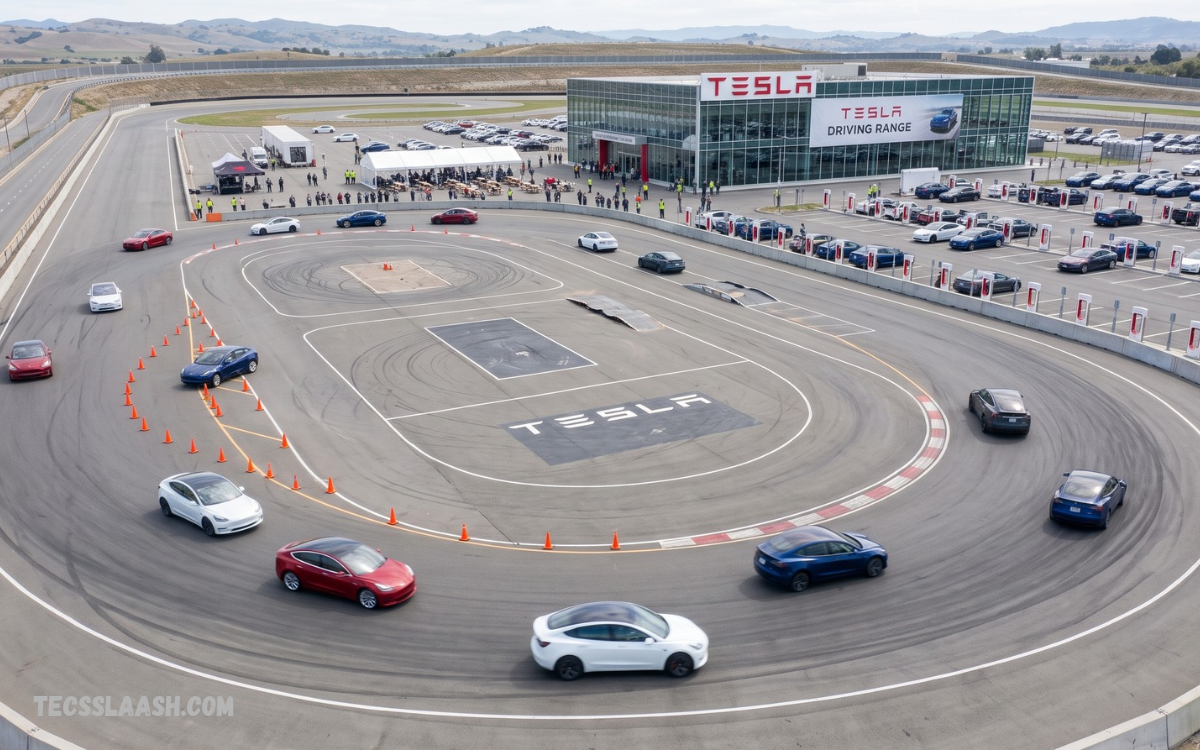
Tesla Driving Range is an important factor when choosing an electric vehicle for daily commuting, family travel, or long-distance journeys. It describes how far a Tesla can travel on its available battery energy before needing another charge.
Tesla vehicles combine battery technology, aerodynamic design, and energy-efficient electric motors to support everyday driving.
What Is Tesla Driving Range?
Tesla Driving Range refers to the estimated distance a vehicle can travel on its available battery charge. Manufacturers publish estimated range figures to help buyers compare electric vehicles and understand their potential driving capabilities.
The advertised range is a standardized estimate, not a guarantee of everyday performance. Actual mileage can vary because real roads, weather, traffic, vehicle loads, and driving style affect energy consumption. Understanding this difference helps drivers plan journeys more confidently. <Cite refs={[“turn951887search4″,”turn951887search8”]}/>
Tesla Driving Range by Model
Tesla offers different vehicle designs to suit different driving needs. The Model S focuses on premium electric performance, the Model 3 offers a practical sedan experience, the Model Y combines passenger space with SUV versatility, and the Cybertruck offers a distinctive electric pickup design.
Driving range varies by model year, battery configuration, wheel options, and trim level. Buyers should check the official specifications for the exact vehicle they intend to purchase rather than relying on a general range figure found in an older article. <Cite refs={[“turn951887search0″,”turn951887search4”]}/>
Tesla Model S Driving Range
Tesla Model S is designed for drivers seeking a premium electric sedan with long-distance capabilities. Its streamlined shape supports aerodynamic efficiency, while its electric powertrain provides responsive acceleration and quiet operation.
The actual range depends on the selected configuration, road speed, weather, and battery condition. Drivers considering Model S for frequent highway journeys should review the current official range estimate and consider charging opportunities along their regular routes.
Tesla Model 3 Driving Range
Tesla Model 3 is a popular electric sedan for commuting, urban travel, and longer journeys. Its aerodynamic body reduces air resistance, supporting efficient energy use under ideal driving conditions.
The distance the Model 3 can travel varies by version, wheel configuration, driving speed, and outside temperature. Smooth acceleration, proper tire pressure, and smart climate control use can help drivers improve efficiency on everyday trips. <Cite refs={[“turn951887search0″,”turn951887search9”]}/>
Tesla Model Y Driving Range
Tesla Model Y combines an elevated driving position, flexible passenger space, and electric performance. Its practical design appeals to households and drivers who need room for passengers, luggage, and daily activities.
SUV body shape, wheel selection, cargo weight, and driving conditions can influence its energy consumption. Checking the specifications for the exact Model Y configuration is essential because range estimates can vary by version and model year.
Tesla Cybertruck Driving Range
Tesla Cybertruck is an electric pickup designed for drivers who value utility, cargo capacity, and distinctive styling. Its driving range depends on the configuration and operating conditions.
Heavy cargo, towing, large accessories, and increased aerodynamic resistance can reduce the distance available from a charge. Drivers planning work trips or outdoor journeys should consider the additional energy required for their intended loads and route conditions.
Factors That Affect Tesla Driving Range
Battery capacity is only one part of electric vehicle efficiency. Driving speed, road gradient, wind, temperature, tire condition, and vehicle weight all influence how quickly a Tesla consumes energy during a journey.
Heating, air conditioning, and other electrical systems also draw energy from the battery. Tesla explains that drivers can use the vehicle’s Energy app to review consumption patterns and understand how driving behavior and environmental conditions affect estimated range. <Cite refs={[“turn951887search0″,”turn951887search2”]}/>
Weather and Temperature Effects
Cold weather can reduce electric vehicle range because the battery and cabin may require additional energy for heating. Battery performance can also change at low temperatures, and short journeys may use more energy to bring the vehicle to an optimal operating temperature.
Hot weather can increase air-conditioning demand, particularly during long trips in direct sunlight. When possible, park in shaded areas, pre-condition the cabin while connected to a charger, and use climate settings thoughtfully to manage energy consumption. <Cite refs={[“turn951887search4″,”turn951887search8”]}/>
Highway Driving and City Driving
Highway driving often consumes more energy per mile or kilometer when vehicles travel at sustained high speeds. Air resistance rises rapidly with speed, so driving faster can reduce how far a Tesla can go on a single charge.
City driving involves more stopping and starting, but regenerative braking can recover some energy during deceleration. The final result depends on traffic, road conditions, temperature, and driving behavior, so neither city nor highway driving guarantees the best range in every situation. <Cite refs={[“turn951887search0″,”turn951887search9”]}/>
Battery Health and Long-Term Range
A Tesla battery gradually ages through normal use and over time. This process can reduce the energy the battery holds compared with its original capacity, though the rate of change varies with usage, temperature exposure, and battery characteristics.
Good charging habits can help support long-term battery health. Follow the charge-limit recommendations shown for your particular Tesla, avoid leaving the battery near empty or completely full for extended periods, and consult official guidance when preparing for longer journeys. <Cite refs={[“turn951887search0″,”turn951887search2”]}/>
How to Improve Tesla Driving Range
Smooth driving is one of the simplest ways to improve electric vehicle efficiency. Gradual acceleration, steady speeds, and anticipating traffic can reduce unnecessary energy use while making journeys more comfortable.
Maintain the recommended tire pressure, remove unused roof racks, and avoid carrying unnecessary cargo. At highway speeds, keeping windows closed can reduce aerodynamic drag. Small changes in driving habits and vehicle setup can improve efficiency without requiring expensive modifications. <Cite refs={[“turn951887search0″,”turn951887search7”]}/>
Tesla Driving Range and Climate Control
Cabin heating and cooling contribute to energy consumption because these systems draw electricity from the vehicle’s battery. Their effect becomes more noticeable in extreme weather, when maintaining a comfortable interior takes more energy.
Preconditioning the cabin while the vehicle is connected to a charger can reduce the energy needed after departure. Drivers can also choose sensible temperature settings and avoid running the climate system unnecessarily while parked, especially when the vehicle isn’t connected to an external power source. <Cite refs={[“turn951887search0″,”turn951887search7”]}/>
Understanding the Tesla Range Display
The range shown on a Tesla display is an estimate based on standardized efficiency data and available battery energy. It may not precisely reflect the distance the vehicle can travel under current road and weather conditions.
For a more personalized view, drivers can review the Energy app and compare actual consumption with trip projections. Navigation estimates can also help with journey planning by considering route conditions and available charging locations. <Cite refs={[“turn951887search0″,”turn951887search3”]}/>
Read Also: Actress’s Husband: Personal Life, Marriage, and Relationship Details
Tesla Driving Range for Long-Distance Trips
Long-distance travel requires more planning than short daily journeys because charging opportunities and driving conditions change along the route. Before departure, review the route, available charging stations, expected weather, and the battery charge level.
Tesla navigation can help identify charging stops and estimate the remaining battery charge at the destination. Allow additional flexibility for unexpected traffic, detours, adverse weather, or unavailable chargers instead of planning every journey around the vehicle’s maximum advertised range. <Cite refs={[“turn951887search0″,”turn951887search3”]}/>
Tesla Charging Options and Range Planning
Home charging can be convenient for drivers who have access to a suitable charging installation. Regular overnight charging can provide enough energy for many daily journeys without requiring frequent visits to public charging stations.
Public charging networks offer additional flexibility during longer trips. Charging speed depends on the vehicle, charger capability, battery temperature, and current charge level. Planning stops around available charging infrastructure helps drivers travel comfortably without relying on the battery’s full advertised range. <Cite refs={[“turn951887search4″,”turn951887search0”]}/>
Tesla Driving Range Compared With Gasoline Cars
Electric vehicles and gasoline vehicles measure energy use differently. Electric vehicle efficiency is commonly expressed in miles per kilowatt-hour or kilometers per kilowatt-hour, while gasoline vehicle efficiency is usually expressed in miles per gallon or liters per distance traveled.
Range alone does not determine which vehicle is best for a driver. Charging access, travel habits, electricity prices, maintenance needs, and journey length also matter. A Tesla may suit drivers who can charge conveniently and want an electric driving experience, while individual needs should guide the final decision. <Cite refs={[“turn951887search4″,”turn951887search11”]}/>
Common Tesla Driving Range Misconceptions
A common misconception is that a vehicle will always travel the full advertised distance after charging. Published range figures are estimates from standardized testing, and everyday driving conditions can produce different results.
Another misconception is that a falling range estimate automatically means the battery is damaged. Temperature, speed, elevation, and accessory use can affect predicted mileage. If range loss appears unusual or persistent, review vehicle energy data and consult Tesla service guidance. <Cite refs={[“turn951887search0″,”turn951887search8”]}/>
Is Tesla Driving Range Enough for Daily Use?
For many drivers, an electric vehicle’s available range is sufficient for routine commuting, shopping, school journeys, and local activities. The best choice depends on daily driving distance and access to charging at home, work, or public locations.
Drivers with frequent long-distance commitments should evaluate their usual routes rather than focusing only on the advertised maximum range. Reviewing typical mileage, charging opportunities, and seasonal weather conditions provides a more realistic picture of whether a particular Tesla fits daily needs.
Frequently Asked Questions
What determines Tesla Driving Range?
Tesla Driving Range depends on the model, battery condition, speed, weather, terrain, tire pressure, cargo weight, and climate control use. Driving smoothly and maintaining the vehicle properly can help improve efficiency.
Does cold weather reduce Tesla range?
Yes. Cold temperatures can increase energy consumption because the battery and cabin may need additional heating. The effect varies with temperature, trip length, vehicle configuration, and driving conditions. <Cite refs={[“turn951887search4″,”turn951887search8”]}/>
Can Tesla range improve through better driving habits?
Yes. Maintaining steady speeds, accelerating smoothly, checking tire pressure, and removing unnecessary accessories can reduce energy consumption. The improvement depends on your current driving habits and the conditions you encounter.
Does battery age affect Tesla Driving Range?
Battery aging can gradually reduce available energy capacity. The amount of change varies by vehicle and usage, so checking battery condition and following Tesla’s charging recommendations can help owners understand long-term performance. <Cite refs={[“turn951887search0″,”turn951887search2”]}/>
Conclusion
Tesla Driving Range depends on more than battery capacity or the official distance advertised for a vehicle. Model selection, driving style, weather, tire condition, battery health, and charging habits all affect real-world range.
Understanding these factors helps drivers choose a suitable Tesla, plan charging stops, and improve everyday efficiency. By reviewing official specifications, using the Energy app, and maintaining sensible charging habits, drivers can make informed decisions and get more value from their electric vehicle.

