


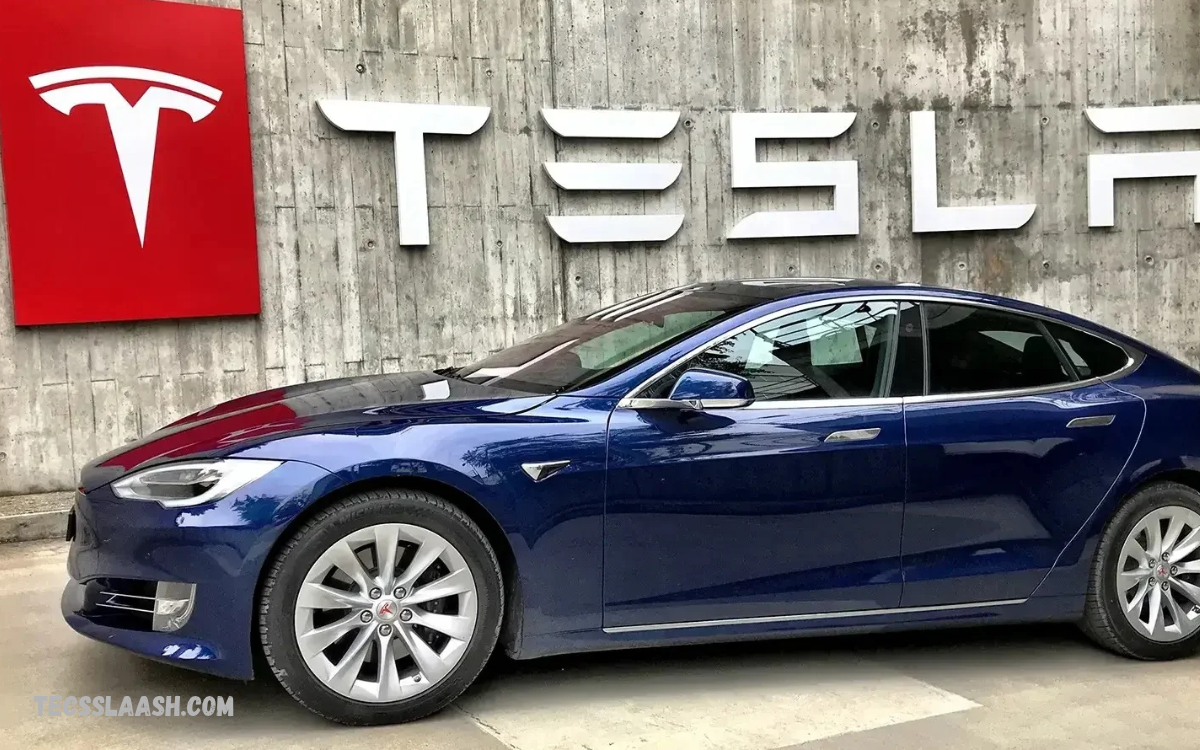
Tesla Electric Cars have transformed the automotive industry by combining battery-powered performance, modern design, advanced technology, and convenient charging solutions.
Electric mobility continues to attract attention as drivers explore quieter transportation, reduced fuel expenses, and innovative vehicle features. Tesla has become a recognizable name in this market, offering electric sedans, SUVs, and pickup trucks designed for different driving needs.
What Are Tesla Electric Cars?
Tesla Electric Cars use rechargeable batteries and electric motors instead of conventional petrol engines. The battery powers the motor, allowing the vehicle to move without burning petrol or diesel. This design also reduces the number of moving parts associated with traditional combustion engines.
Tesla vehicles combine electric propulsion with digital controls, connected services, and driver-assistance technology.
Popular Tesla Electric Car Models
<text> </text>
Tesla offers different vehicle designs for commuters, families, and drivers seeking extra space or performance. The available lineup varies by country, production status, model year, and local market, so buyers should check current specifications before choosing a vehicle.
The Model S, Model 3, Model X, Model Y, and Cybertruck represent different approaches to electric transportation.
Tesla Model Three: Electric Sedan
The Tesla Model 3 is a compact electric sedan designed for everyday commuting, longer journeys, and comfortable city driving.
Inside, the Model 3 features a minimalist cabin with a central touchscreen, digital controls, and connected functions. Depending on the version, buyers may find different battery capacities, driving ranges, interior materials, and performance specifications.
Tesla Model Y: Electric Family SUV
The Tesla Model Y combines electric driving with a practical SUV-style body. Its cabin and cargo layout appeals to households that need flexible storage, comfortable passenger space, and a vehicle for commuting, shopping, school runs, and road trips.
Available features depend on the model year and configuration, but the Model Y generally emphasizes connected technology, touchscreen controls, and electric driving efficiency.
Tesla Model S and Model X
The Model S is a premium electric sedan associated with strong acceleration, a spacious cabin, and long-distance driving capability. Its design combines a low-profile body with advanced onboard technology, making it a good option for drivers who want luxury-oriented electric transportation.
The Model X offers an SUV format with additional cabin flexibility and distinctive door styling. Both models emphasize electric performance and connected features, although their availability, equipment, and specifications can change.
Tesla Cybertruck and Electric Pickup Technology
The Cybertruck introduces a distinctive approach to electric pickup design, featuring angular bodywork, a large cabin, and a battery-powered drivetrain. Its pickup format targets drivers who want electric mobility alongside utility-oriented capabilities for transporting equipment and carrying cargo.
Electric pickups differ from conventional trucks because electric motors can provide immediate torque, supporting responsive acceleration under suitable conditions. Actual towing capacity, payload, energy consumption, and driving range depend on configuration and load.
Key Features of Tesla Electric Cars
Tesla Electric Cars combine vehicle controls, connected technology, navigation, entertainment, and driver-assistance functions. A central touchscreen provides access to many settings, while supported smartphone features allow drivers to monitor selected vehicle functions remotely.
Other available features may include cabin climate controls, wireless connectivity, camera-based assistance, charging navigation, and software updates. Equipment varies by model, software version, and region. Drivers should review the feature list for their specific vehicle rather than assuming every Tesla has identical hardware or services. <Cite refs={[“turn456150search0″,”turn456150search2”]}/>
Tesla Electric Car Battery Technology
The battery is one of the most important components of an electric vehicle because it stores the energy required to power the motor. Tesla battery systems use rechargeable lithium-ion technology, with battery chemistry and pack design varying across vehicle models and production versions.
Battery performance depends on temperature, driving habits, charging patterns, vehicle age, and energy consumption. Drivers can support long-term battery health by following the manufacturer’s recommendations and avoiding unnecessary exposure to extreme conditions.
Driving Range and Energy Efficiency
Driving range describes how far a vehicle can travel on a single charge before it needs to recharge. Tesla Electric Cars offer different estimated ranges depending on model, wheel selection, battery configuration, temperature, and driving conditions.
Highway speeds, steep roads, heavy cargo, cold weather, and cabin heating can increase energy consumption. Smooth acceleration, proper tire pressure, and sensible route planning can improve efficiency.
Tesla Electric Car Charging Options
Charging access plays an important role when choosing an electric vehicle. Tesla owners can charge at home with compatible equipment or use public charging stations on longer journeys. Charging speed depends on the vehicle, charger output, battery temperature, and the battery’s current charge level.
Home charging can be convenient because the vehicle can recharge overnight while parked. Public fast-charging stations can help during road trips, although availability and charging costs vary by location.
Tesla Supercharging Network
Tesla Superchargers provide high-power charging at supported locations, helping drivers recharge during longer journeys. Compatible vehicles can use available navigation features to plan routes around charging stops, depending on regional infrastructure and software support.
Charging duration varies with battery size, charging-station output, weather, and battery condition. The charging rate may slow as the battery approaches a high state of charge.
Safety Technology in Tesla Vehicles
Safety technology is an important part of modern vehicle design. Tesla models include passive safety systems, such as airbags and protective body structures, alongside available active features designed to warn drivers or assist with certain driving tasks.
Depending on the vehicle, features may include collision warnings, automatic emergency braking, blind-spot monitoring, and lane-related assistance. These systems have limitations and cannot prevent every accident.
Driver Assistance and Vehicle Software
Tesla offers driver-assistance functions designed to support selected driving tasks. Available capabilities differ by model, hardware, region, software version, and purchased options. Some functions may assist with steering, speed control, parking, or awareness of nearby road users under specified conditions.
Driver assistance does not make a vehicle fully autonomous. Drivers must remain responsible, attentive, and ready to intervene whenever necessary. Software updates may introduce changes or improvements, but owners should read release notes and learn how each feature works before using it on public roads.
Interior Comfort and Modern Design
Tesla interiors generally emphasize clean surfaces, simple controls, and digital displays. This minimalist approach creates an uncluttered cabin while placing many vehicle settings within the touchscreen interface. Seating materials, display arrangements, storage space, and comfort features vary between models.
Depending on the configuration, drivers may receive heated seats, climate controls, panoramic glass roofs, premium audio, or rear passenger displays. A test drive helps you decide whether the seating position, visibility, touchscreen layout, and available storage meet your preferences before you buy.
Environmental Benefits of Electric Cars
Battery-powered vehicles produce no exhaust emissions during driving, unlike petrol-powered vehicles that burn fuel inside an engine. This can improve local air quality, particularly in busy urban areas where road traffic contributes to pollution.
However, electric vehicles are not completely impact-free. Battery production, electricity generation, vehicle manufacturing, and end-of-life processing all affect their environmental footprint. Overall benefits depend on the electricity source, vehicle efficiency, battery lifespan, and recycling practices.
Read Also: Tesla Accessories: Best Upgrades for Comfort, Style, and Performance
Tesla Electric Cars: Maintenance and Ownership Costs
Electric vehicles generally require less routine powertrain maintenance than conventional petrol cars because they do not need engine oil changes, spark plugs, or exhaust-system servicing. Regenerative braking can also reduce wear on conventional friction brakes under suitable driving conditions.
Nevertheless, Tesla ownership still involves expenses for tires, cabin filters, brake inspections, repairs, insurance, charging, and other maintenance requirements. Battery or electronic repairs may be costly outside warranty coverage.
Tesla Electric Cars in Pakistan
Interest in Tesla Electric Cars may appeal to Pakistani drivers exploring modern automotive technology and alternatives to conventional fuel.
Before purchasing an imported Tesla in Pakistan, verify the vehicle’s condition, battery health, charging compatibility, documentation, applicable duties, registration requirements, and warranty coverage.
Advantages of Tesla Electric Cars
Tesla Electric Cars offer several potential benefits, including quiet operation, responsive acceleration, connected technology, and convenient home charging where suitable equipment is available.
Another advantage is the integration of navigation, vehicle monitoring, and software-based features. However, the value of these benefits depends on personal driving habits, local charging access, purchase price, insurance, and service availability.
Challenges of Owning a Tesla
Despite their advantages, Tesla Electric Cars may not suit every driver. Purchase prices, charging access, repair availability, insurance costs, and long-distance travel requirements can create practical challenges, especially in regions with limited electric vehicle infrastructure.
Battery range can also decrease in cold weather, at sustained highway speeds, or when carrying heavy loads. Public charging may involve waiting during busy periods, and repairs can require specialist equipment.
How to Choose the Right Tesla Electric Car
Choosing a Tesla begins with understanding how the vehicle will be used. Daily commuters may prioritize efficiency and easy parking, while families may need additional passenger space, flexible storage, and comfort for longer journeys.
Compare models by driving range, charging speed, purchase price, safety features, interior space, and local service support. Take a test drive and review the warranty terms before deciding. The right vehicle should match both your daily routine and your long-term ownership budget.
The Future of Tesla Electric Cars
The future of Tesla Electric Cars will depend on battery development, charging infrastructure, manufacturing improvements, software development, and competition across the automotive industry. Continued innovation may improve vehicle efficiency, charging convenience, and access to electric transportation.
Electric mobility also depends on wider investment in reliable electricity networks, public charging stations, battery recycling, and consumer education. As technology evolves, buyers should evaluate new features using verified specifications rather than promises or predictions.
Frequently Asked Questions
Are Tesla Electric Cars Fully Electric?
Yes, Tesla’s passenger vehicles are battery-electric vehicles that use rechargeable batteries and electric motors instead of petrol engines. They require electricity to charge and don’t need petrol to power their electric drivetrains.
How Far Can Tesla Electric Cars Travel?
Driving range varies by model, battery configuration, wheel selection, and driving conditions. Temperature, road speed, terrain, and cabin climate settings can also affect how far you can go between charges.
Can Tesla Electric Cars Charge at Home?
Yes, compatible Tesla vehicles can charge at home using suitable charging equipment and an appropriate electrical installation. Charging speed depends on the equipment, vehicle, and available electrical supply.
Are Tesla Electric Cars Expensive to Maintain?
Routine powertrain maintenance can be lower than that of conventional petrol vehicles because electric cars have fewer moving engine components. However, tires, insurance, repairs, battery-related work, and replacement parts can still create significant expenses.
Are Tesla Electric Cars Suitable for Daily Commuting?
Tesla vehicles can suit daily commuting when their range, charging access, size, and operating costs match the driver’s needs. Home charging and convenient public charging can make regular journeys easier to manage.
Conclusion
Tesla Electric Cars represent an important development in modern transportation, combining battery-powered performance, digital technology, connected features, and alternative charging methods.
Before choosing a Tesla, evaluate driving range, charging access, safety features, maintenance costs, and local service support.

