


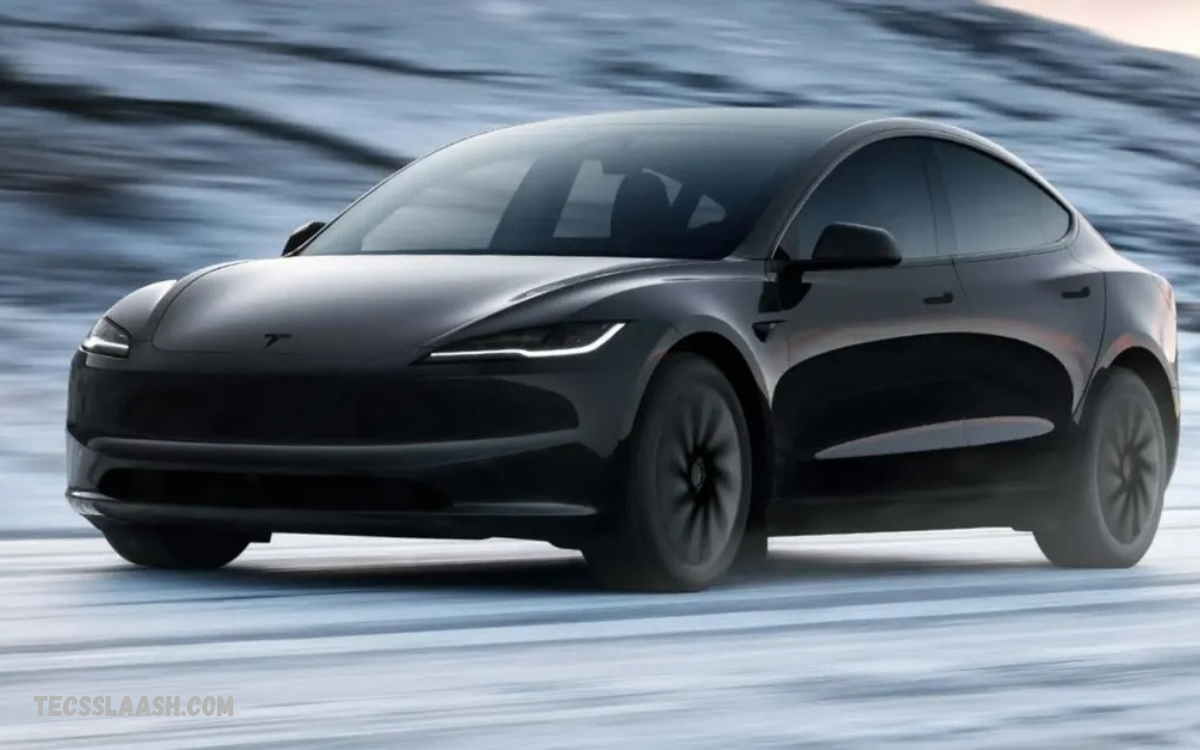
The Tesla Model 3 is a fully electric sedan for drivers who want modern technology, efficient transportation, and responsive performance. Its streamlined exterior, minimalist interior, and advanced software make it a popular choice for electric-vehicle enthusiasts worldwide.
The Tesla Model 3 combines electric power, practical storage, touchscreen controls, and multiple driving configurations. Whether you’re commuting daily, traveling longer distances, or exploring electric mobility, this vehicle offers a blend of comfort, convenience, and technology worth understanding before you buy.
Tesla Model 3 Design and Exterior
The Tesla Model 3 features a sleek exterior with smooth body panels, a distinctive front design, and aerodynamic proportions. Its streamlined shape reduces air resistance, supporting energy efficiency and driving range while giving the sedan a modern look suited to urban streets and highways.
Depending on the selected configuration, buyers can choose different wheel designs, exterior colors, and available styling options. Updated versions emphasize improved refinement, lighting, and aerodynamic details, although specific features vary by model year, market, and trim level.
Tesla Model 3 Performance and Acceleration
The Tesla Model 3 delivers responsive acceleration through an electric powertrain that provides immediate torque. Unlike conventional petrol vehicles, its electric motors don’t require traditional gear changes, delivering smooth power during everyday driving, highway merging, and acceleration from a standstill.
Performance depends on the selected version, battery configuration, tires, and driving conditions. Rear-wheel-drive models prioritize everyday efficiency, while dual-motor all-wheel-drive versions offer stronger acceleration and additional traction.
Tesla Model 3 Range and Battery
Driving range is one of the most important considerations when evaluating the Tesla Model 3. Official EPA-estimated range varies by configuration, with some current versions advertised at about 300 miles or more per charge under applicable testing conditions..
Weather, highway speed, hills, tire pressure, passenger load, and climate-control settings can influence battery consumption. Cold temperatures may reduce available range, while aggressive acceleration can increase energy use.
Tesla Model 3 Charging Options
The Tesla Model 3 supports home charging and compatible public charging networks, providing flexibility for different travel routines. Home charging can be convenient because drivers can recharge overnight while parked, reducing the need to visit a public charging station for every journey.
Public DC fast charging can add substantial range during longer trips, although charging speed depends on battery temperature, charger capacity, and the vehicle’s state of charge.
Tesla Model 3 Interior and Comfort
The Tesla Model 3 interior follows a minimalist design philosophy, with a spacious-looking dashboard and a central touchscreen controlling many vehicle functions. The clean layout reduces physical buttons and creates a contemporary cabin, while adjustable seating and digital displays support everyday convenience.
Interior equipment varies by model and production year, but available features may include heated seats, ventilated front seats, ambient lighting, wireless phone charging, and a rear passenger display. Buyers should check the exact version to confirm which comfort features are standard or optional.
Tesla Model 3 Technology and Infotainment
Technology is central to the Tesla Model 3 experience. Its central touchscreen provides access to navigation, climate controls, entertainment, vehicle settings, and energy information, allowing drivers to manage many functions through one integrated interface.
Software updates can introduce improvements, interface changes, and additional features when the vehicle supports them. The Tesla mobile app also enables selected remote functions, such as checking charging progress, monitoring vehicle status, and adjusting cabin temperature.
Tesla Model 3 Safety Features
The Tesla Model 3 includes active safety technologies designed to help drivers recognize potential hazards and respond to changing road conditions.
Safety technology can provide valuable support, but it cannot eliminate every driving risk. Drivers must remain attentive, follow traffic laws, and maintain control of the vehicle. Independent crash-test ratings and equipment availability should be checked for the specific model year and market before purchase.
Tesla Model 3 Storage and Practicality
The Tesla Model 3 offers practical storage for daily errands, commuting, and travel. Its rear trunk fits luggage and shopping, while extra front storage and a folding rear seatback add flexibility for different cargo.
Tesla lists approximately 24 cubic feet of total cargo space for certain current configurations, although measurement methods and specifications can vary. Families and frequent travelers should check the available space in person, especially when carrying large suitcases, sports equipment, or other bulky items.
Tesla Model 3 Driving Experience
The Tesla Model 3 offers a quiet drive because its electric powertrain produces less mechanical noise than a conventional combustion engine.
Steering response, suspension tuning, and ride comfort depend on the selected trim, wheels, tires, and road surface. Smaller wheels may offer a more comfortable ride on rough roads, while sport-oriented configurations can emphasize handling.
Tesla Model 3 Standard, Premium, and Performance Versions
The Tesla Model 3 lineup can include Standard, Premium, and Performance configurations, depending on the market and model year.
Performance versions prioritize acceleration, handling, and sporty equipment. They may include specialized wheels, upgraded brakes, sport seats, and performance-focused suspension components.
Read Also: Latest Actor News and Celebrity Entertainment Updates 2026
Tesla Model 3 Maintenance and Ownership Costs
The Tesla Model 3 requires less routine powertrain maintenance than many petrol vehicles because it lacks a conventional engine, engine oil, and a traditional exhaust system. However, owners still need to maintain tires, brakes, cabin filters, wipers, suspension components, and other vehicle systems.
Total ownership costs depend on purchase price, electricity rates, insurance, repair expenses, tire replacement, and depreciation. Home charging may reduce energy costs compared with petrol, particularly where electricity is affordable.
Tesla Model 3 Advantages and Disadvantages
One major advantage of the Tesla Model 3 is its combination of electric efficiency, responsive acceleration, modern technology, and convenient charging options.
However, the vehicle also has limitations that buyers should consider. Charging access can be inconvenient for people without suitable home or workplace facilities, while repair costs, insurance premiums, and regional service availability may affect ownership.
Tesla Model 3 Availability and Price
Tesla Model 3 prices vary by country, configuration, incentives, taxes, delivery charges, and optional equipment. Prices can also change as Tesla updates its lineup, adjusts regional pricing, or introduces new versions.
Buyers should consult the official Tesla website for current prices and specifications in their market. In regions without direct Tesla sales or extensive charging infrastructure, importing a vehicle may involve additional expenses, warranty limitations, registration requirements, and challenges accessing authorized repairs.
Tesla Model 3 in Pakistan
The Tesla Model 3 may interest Pakistani drivers seeking an electric sedan with modern features and reduced dependence on petrol. However, local availability, import duties, registration costs, charging access, and service support are key factors to consider before buying an imported vehicle.
Pakistan’s charging infrastructure and electricity conditions can differ considerably between cities and residential areas.
Is the Tesla Model 3 Worth Buying?
The Tesla Model 3 can be a strong option for drivers who want an electric sedan with modern technology, responsive performance, and practical everyday usability. Its suitability depends on budget, driving habits, access to charging, expected travel distance, and preferences regarding interior controls and ride comfort.
Before buying, compare available trims, verify official range estimates, estimate charging and insurance costs, and schedule a test drive. Review local service support and warranty conditions to determine whether the Tesla Model 3 offers good long-term value.
Frequently Asked Questions
What Is the Tesla Model 3?
The Tesla Model 3 is a fully electric four-door sedan produced by Tesla. It combines battery-powered driving, touchscreen technology, driver-assistance features, and multiple configurations designed for different budgets and performance preferences.
How Far Can a Tesla Model 3 Travel on One Charge?
The driving range depends on the selected model, battery configuration, and testing standard. Some versions offer an official estimated range exceeding 300 miles, but real-world results vary with temperature, speed, terrain, and driving habits.
How Long Does Tesla Model 3 Charging Take?
Charging time depends on the charger, battery level, temperature, and available electrical power. Home charging can take several hours, while compatible DC fast chargers can add substantial range during shorter stops.
Does the Tesla Model 3 Require Engine Oil?
No. The Tesla Model 3 uses an electric powertrain rather than a conventional petrol engine, so it does not require traditional engine-oil changes. Tires, brakes, filters, and other components still require appropriate maintenance.
Is the Tesla Model 3 Suitable for Families?
The Tesla Model 3 suits many families because it offers seating for five, useful cargo space, and modern safety features. Families should check rear-seat space, child-seat compatibility, and luggage capacity before deciding.
Can the Tesla Model 3 Charge at Home?
Yes. Owners can charge the vehicle at home using compatible charging equipment and an appropriate electrical installation. Charging speed depends on the available power supply, charger specifications, and vehicle configuration.
Is the Tesla Model 3 Fully Self-Driving?
No. Driver-assistance features do not make the vehicle fully autonomous. Features marketed as Full Self-Driving (Supervised), where available, require continuous driver attention and supervision.
Conclusion
The Tesla Model 3 combines electric efficiency, modern design, responsive acceleration, and integrated technology in a practical sedan. Its available configurations offer different balances of driving range, comfort, performance, and price, making it worth considering for a wide range of EV buyers.
Choosing the right Tesla Model 3 requires careful research into charging access, ownership expenses, warranty coverage, and local service availability.

