


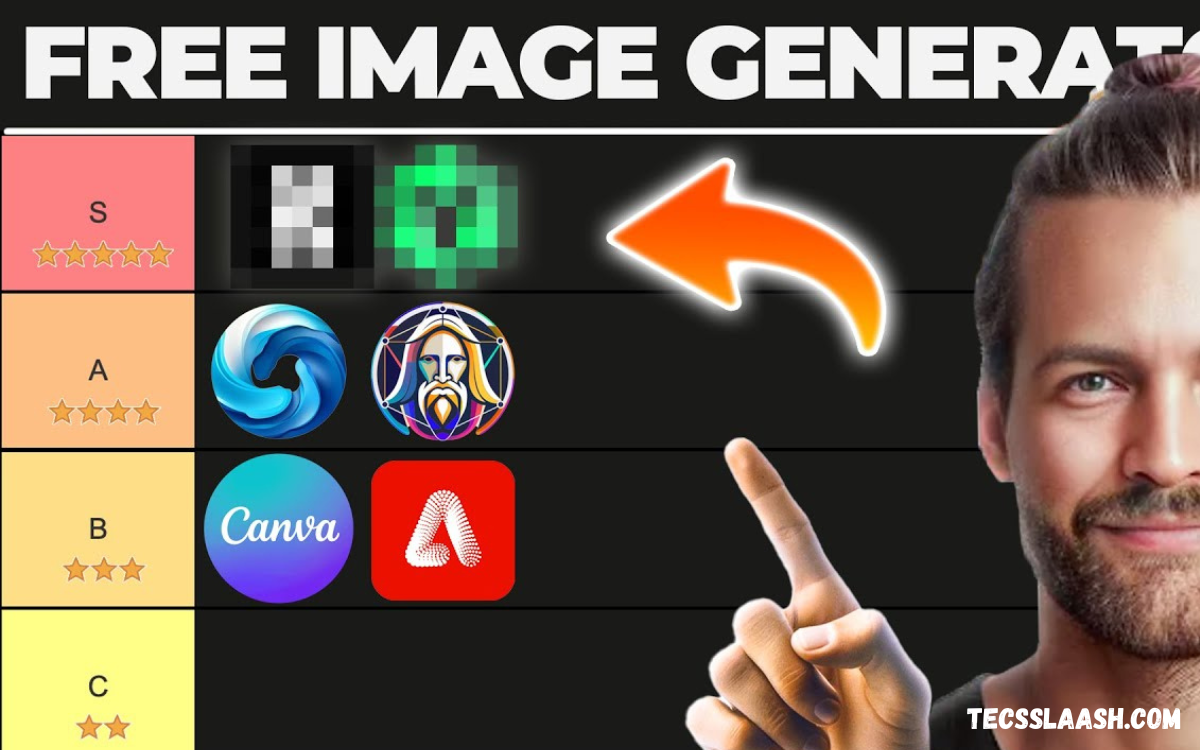
High-quality visuals play an important role in capturing attention and communicating ideas effectively. Whether you are a content creator, marketer, designer, blogger, business owner, or social media professional, creating attractive images can take significant time and effort.
The top AI image generators offer a wide range of features, including realistic image creation, artistic styles, image editing, background replacement, custom designs, and high-resolution output. They can help users turn creative concepts into professional-looking visuals without requiring advanced graphic design skills.
What Are AI Image Generators?
AI image generators are software tools that use artificial intelligence to create images from text prompts, reference images, or other instructions. Instead of manually drawing or designing every element, users describe what they want, and the AI system interprets the prompt to produce a visual result.
Modern image-generation systems can understand details such as objects, environments, lighting, colours, perspectives, artistic styles, and compositions. Some platforms can also modify existing images, expand backgrounds, remove unwanted elements, or create multiple variations of an original concept.
This technology is particularly useful for people who need high-quality visuals but may not have advanced graphic design or photography skills. With a well-written prompt, users can experiment with ideas and create visuals suitable for websites, advertisements, presentations, social media, blogs, and creative projects.
Why Use AI Image Generators?
AI image generators offer several advantages over traditional image-creation methods. The biggest benefit is speed. A task that could previously require hours of design work can often be completed within minutes.
Another major advantage is creative flexibility. Users can test different concepts, styles, layouts, and visual ideas without needing to start every design from scratch. AI tools can also help generate inspiration when a creator knows what they want to communicate but does not yet have a finished visual concept.
Top AI Image Generators for High-Quality Visuals
The market includes many AI image-generation platforms, each with distinct strengths. The best choice depends on the type of images you want to create, your workflow, editing requirements, and desired level of control.
Midjourney
Midjourney is widely recognized for its ability to produce visually impressive and artistic images. It is particularly popular among creators who want cinematic compositions, concept art, fantasy scenes, creative illustrations, and highly stylized visuals.
One of its major strengths is its ability to produce aesthetically appealing results from relatively simple prompts. Users can experiment with different descriptions and visual directions to explore creative possibilities.
OpenAI Image Generation
OpenAI’s image-generation technology can create visuals from natural-language instructions and is designed to understand detailed prompts. Users can describe an image in conversational language, specify important visual elements, and refine their ideas through iterative instructions.
This approach makes AI image creation accessible even to people who are unfamiliar with complex prompt structures. It can be useful for creating illustrations, creative concepts, marketing visuals, educational graphics, and many other types of content.
Adobe Firefly
Adobe Firefly is designed with creative professionals and content-production workflows in mind. It provides AI-powered image-generation and editing capabilities that can complement established design processes.
One of its strengths is integration with Adobe’s broader creative ecosystem. Designers who already work with Adobe products can use AI features alongside traditional editing tools.
Google Image Generation Tools
Google’s AI ecosystem also provides image-generation capabilities that can help users create visuals from text instructions. These tools are designed to make generative AI more accessible and can be useful for experimentation, creative projects, and visual ideation.
Google’s broader AI ecosystem gives users opportunities to combine image generation with other AI-powered workflows. For people already using Google’s productivity and creative tools, this can make it easier to incorporate AI-generated visuals into their projects.
Ideogram
Ideogram has gained attention for its ability to generate images containing text, making it particularly useful for posters, logos, promotional graphics, social media designs, and other visual assets where typography is important.
Traditional AI image generators have historically struggled with accurately rendering written words. Tools focused on typography can provide an advantage when a design requires meaningful text within the image.
Stable Diffusion
Stable Diffusion is known for flexibility and customization. Depending on the implementation, users can access a wide range of models, workflows, extensions, and custom settings.
This makes it attractive to technically experienced users, artists, developers, and creators who want greater control over the image-generation process. Users can explore different models and workflows to produce specific styles or visual effects.
Key Features to Look For
Choosing among the Top AI Image Generators for High-Quality Visuals requires more than simply comparing image quality. Different projects require different features, so users should consider several factors before selecting a platform.
Image Quality
High resolution, sharp details, realistic lighting, accurate textures, and strong compositions are important for professional visual content. A good generator should produce images that remain visually appealing when used across different formats.
Prompt Understanding
The quality of an AI-generated image often depends on how effectively the system understands instructions. Advanced tools can interpret detailed descriptions involving subjects, environments, camera angles, lighting, colors, and artistic styles.
Editing Capabilities
Image generation is only one part of a modern creative workflow. Features such as object removal, background replacement, image expansion, and selective editing can make an AI tool significantly more useful.
Style Variety
A versatile generator should support different visual styles. Depending on the project, users may need realistic photography, illustrations, paintings, 3D designs, cartoons, concept art, or commercial graphics.
Ease of Use
A powerful platform is less useful if it is difficult to understand. Beginners may prefer simple interfaces and conversational prompting, while professional designers may want advanced controls and customization options.
Read Also: Screen Protectors: Complete Guide to Types, Benefits, Installation & Buying Tips
Commercial Usage
Businesses should carefully review the licensing and usage terms associated with an AI image generator. Before using AI-generated visuals commercially, users should understand the platform’s rules regarding ownership, licensing, attribution, and permitted applications.
How to Create Better AI-Generated Images
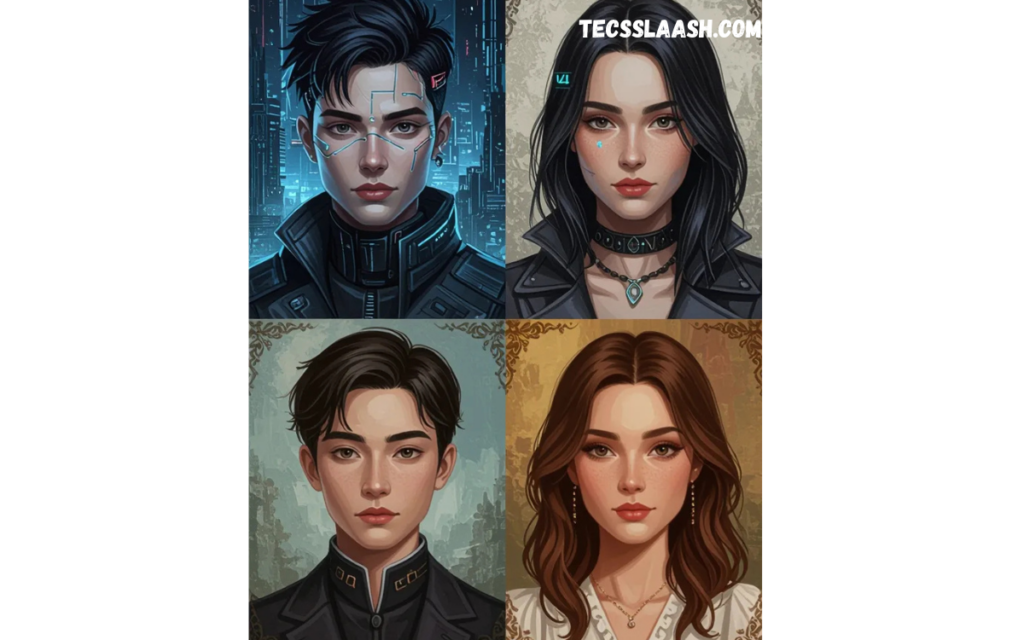
Generate Here
Getting high-quality results often depends on providing clear instructions. Instead of using a short, vague prompt, describe the subject, setting, style, composition, lighting, mood, and key details.
For example, rather than asking for a “modern office,” a more descriptive prompt might request a bright contemporary office with large windows, natural daylight, minimalist furniture, indoor plants, realistic photography, and a professional atmosphere.
AI Image Generators for Businesses
Businesses can use AI-generated visuals across many areas of digital marketing. Social media teams can create custom graphics for campaigns, while advertising teams can experiment with concepts before investing in professional photography or full-scale production.
E-commerce businesses can use AI tools for product concepts, promotional imagery, backgrounds, and creative campaigns. Startups can also use generated visuals when developing early branding concepts or presentation materials.
AI Image Generators for Content Creators
Content creators can use AI imagery to make articles, videos, social posts, newsletters, and presentations more engaging. Custom visuals can help establish a recognizable style and make content stand out in competitive digital environments.
Bloggers can create illustrations for specific topics, YouTubers can develop creative thumbnail concepts, and social media creators can experiment with unusual visual ideas.
Benefits and Limitations
The benefits of AI image generators include speed, accessibility, creative experimentation, cost efficiency, and flexibility. They can reduce the time required to produce visual concepts and help users explore ideas that might otherwise require specialized skills.
Nevertheless, these tools have limitations. AI-generated images can sometimes contain inaccuracies, unusual details, inconsistent objects, or visual artifacts. Text rendering can also vary between platforms, although newer systems have improved considerably.
How to Choose the Right AI Image Generator
The best AI image generator depends on your specific requirements. If artistic and cinematic visuals are your priority, a visually focused platform may be appropriate. If you need professional design workflows, an integrated creative platform could be more useful.
For text-heavy designs, choose a tool that handles typography effectively. If customization and technical control are important, a more flexible open-source solution may be preferable.
The Future of AI Image Generation
AI image generation is developing rapidly. Future systems are likely to provide more accurate details, stronger consistency, better text rendering, improved editing, and greater control over complex compositions.
The technology may also become increasingly integrated into design software, marketing platforms, content-management systems, and business workflows. As AI becomes more capable, the distinction between image generation and traditional editing may continue to disappear.
Frequently Asked Questions
What are the top AI image generators for high-quality visuals?
Some popular AI image generators include Midjourney, OpenAI image-generation tools, Adobe Firefly, Google AI image tools, Ideogram, and Stable Diffusion. Each offers different features for creating high-quality visuals.
How do AI image generators create images?
AI image generators use artificial intelligence models to interpret text prompts, reference images, or instructions and transform them into new visual content.
Can AI image generators create realistic photos?
Yes. Many modern AI image generators can produce highly realistic images with detailed lighting, textures, environments, people, objects, and photographic compositions.
Are AI-generated images suitable for business use?
AI-generated images can be useful for marketing, advertising, social media, websites, presentations, and other business applications. However, users should review the platform’s licensing and commercial-use terms.
Which AI image generator is best for beginners?
Tools with simple interfaces and natural-language prompting are generally easier for beginners. The best option depends on the user’s desired image style, editing needs, and workflow.
Can AI generate images from text prompts?
Yes. Text-to-image generation allows users to describe a subject, scene, style, lighting, composition, and other details, which the AI then uses to create an image.
How can I improve AI-generated image quality?
Use detailed and specific prompts. Describe the subject, environment, composition, lighting, style, perspective, colors, and important visual details. Reviewing and refining the prompt can improve results.
Can AI image generators edit existing images?
Many AI image tools support editing features such as background replacement, object removal, image expansion, variations, and targeted modifications.
Are AI-generated images copyright-free?
Not necessarily. Copyright and usage rights vary depending on the platform, jurisdiction, and circumstances under which an image was created. Always review the applicable terms before commercial use.
Will AI image generators replace professional designers?
AI image generators are powerful creative tools, but they are unlikely to eliminate the need for professional designers entirely. Human creativity, brand strategy, artistic judgment, and quality control remain important for professional projects.
Conclusion
The Top AI Image Generators for High-Quality Visuals are changing how individuals and businesses approach digital creativity. From artistic illustrations and realistic scenes to marketing graphics and social media content, these platforms enable the creation of impressive visuals with significantly less time and technical expertise.
Midjourney, OpenAI’s image-generation tool, Adobe Firefly, Google’s AI image tools, Ideogram, and Stable Diffusion each offer distinct strengths.

