


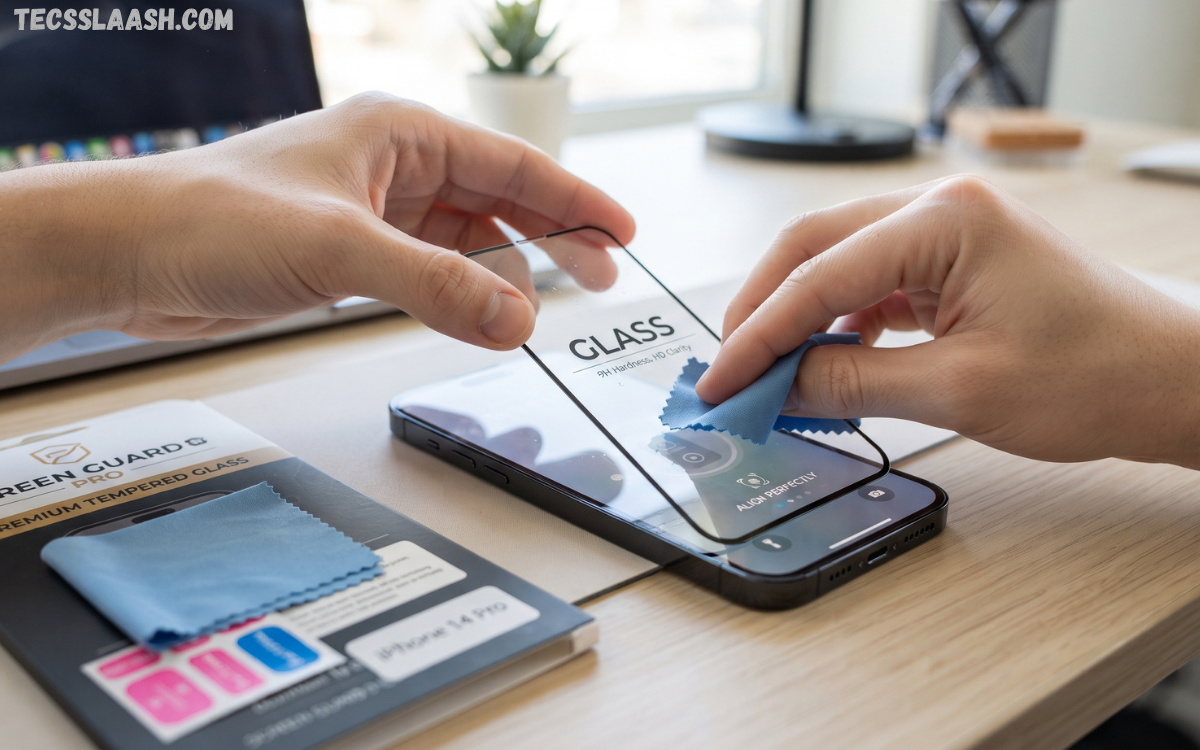
Modern smartphones, tablets, laptops, smartwatches, gaming devices, and premium displays represent significant investments. As display technology continues to evolve with OLED, AMOLED, Retina, LTPO, and high-refresh-rate panels, protecting these expensive screens has become more important than ever. A single accidental drop, scratch from keys, or impact during daily use can result in costly repairs that often exceed hundreds of dollars.
Screen protectors offer an affordable solution to reduce the risk of scratches, minor impacts, fingerprints, and everyday wear. While they cannot guarantee complete protection against every accident, they significantly extend the lifespan of displays while maintaining clarity and responsiveness.
What Are Screen Protectors?
A screen protector is a thin protective layer applied directly onto a device display. It acts as the first line of defense against scratches, dust, fingerprints, and minor impacts.
Unlike phone cases that protect device edges and backs, screen protectors specifically safeguard the display, which remains the most vulnerable component.
Today’s premium screen protectors are designed to preserve the following:
- Touch sensitivity
- Display brightness
- Color accuracy
- High-definition resolution
- Fingerprint sensor functionality
- Smooth scrolling experience
Modern protectors fit smartphones, tablets, smartwatches, laptops, gaming consoles, camera displays, GPS units, and portable monitors.
Why Screen Protectors Matter
Many flagship devices feature Gorilla Glass or similar strengthened glass, yet these displays remain susceptible to scratches and cracks.
Screen protectors provide several advantages:
- Scratch resistance
- Better resale value
- Reduced repair costs
- Cleaner display surface
- Improved durability
- Enhanced privacy
- Less fingerprint buildup
- Better viewing comfort
As display replacement costs continue to increase every year, investing in a quality protector remains one of the smartest accessories for any device.
Types of Screen Protectors
Choosing the correct screen protector begins with understanding available materials.
Tempered Glass Screen Protectors
Tempered glass remains the most popular option because it closely resembles the original display.
Advantages include:
- Excellent scratch resistance
- Better impact protection
- Smooth touch response
- Crystal-clear viewing
- Easy installation
- Long lifespan
Many premium models feature:
- 9H hardness
- Oleophobic coating
- Anti-fingerprint layer
- Rounded edges
- Bubble-free adhesive
Tempered glass is ideal for smartphones, tablets, and premium devices.
PET Film Screen Protectors
PET (Polyethylene Terephthalate) protectors offer basic scratch protection at an affordable price.
Benefits include:
- Thin profile
- Lightweight
- Low cost
- Good transparency
However, PET film provides minimal impact resistance and scratches more easily than tempered glass.
TPU Screen Protectors
TPU (Thermoplastic Polyurethane) protectors are flexible and self-healing.
Advantages:
- Self-repairing minor scratches
- Flexible installation
- Compatible with curved displays
- Excellent touch sensitivity
TPU works especially well on curved flagship smartphones.
Privacy Screen Protectors
Privacy protectors limit viewing angles.
Only users directly facing the display can clearly see screen content.
Ideal for:
- Business professionals
- Travelers
- Students
- Banking applications
- Public transportation
Matte Screen Protectors
Matte protectors reduce reflections and glare.
Benefits include:
- Comfortable outdoor viewing
- Reduced fingerprints
- Better writing experience
- Smooth stylus usage
Graphic designers and digital artists frequently choose matte protectors.
Blue Light Screen Protectors
These specialized protectors filter part of blue light emitted by displays.
Potential benefits include:
- Reduced eye fatigue
- Comfortable nighttime use
- Improved long reading sessions
Liquid Screen Protectors
Liquid protectors apply a nano-coating directly onto glass surfaces.
Advantages:
- Invisible protection
- Simple application
- No bubbles
- Compatible with cases
However, they offer limited impact protection compared with tempered glass.
Benefits of Using Screen Protectors
Quality screen protectors provide numerous advantages beyond preventing scratches.
Scratch Protection
Daily items such as keys, coins, pens, sand, and dust can damage display glass.
A protector absorbs these scratches instead of the actual screen.
Crack Resistance
Tempered glass absorbs part of impact energy during accidental drops.
Although it may break itself, it often reduces damage reaching the original display.
Fingerprint Reduction
Oleophobic coatings repel oils from fingertips.
Benefits include:
- Cleaner screen
- Easier cleaning
- Better visibility
Better Resale Value
Devices with scratch-free displays retain higher resale prices.
Many buyers prioritize screen condition before purchasing used electronics.
Cost Savings
Replacing a damaged protector costs far less than replacing an OLED display.
Hardness Ratings Explained
Most manufacturers advertise “9H Hardness.”
This rating refers to pencil hardness testing rather than diamond hardness.
Higher hardness generally improves scratch resistance against everyday objects.
Features to Look For
When purchasing screen protectors, consider these features.
Oleophobic Coating
Repels fingerprints and oils.
Hydrophobic Layer
Resists water droplets.
Bubble-Free Adhesive
Makes installation easier.
Edge-to-Edge Coverage
Provides maximum display protection.
Case Compatibility
Prevents lifting when using protective cases.
Anti-Shatter Design
Broken glass stays together instead of producing dangerous fragments.
Read Also: Top Money-Making Apps for Extra Income
Choosing the Right Screen Protector
Several factors influence the ideal choice.
Device Type
Different devices require different protector designs.
Examples include:
- Smartphones
- Tablets
- Laptops
- Smartwatches
- Gaming handhelds
Usage Habits
Heavy travelers often benefit from tempered glass.
Office users may prefer privacy protectors.
Artists often choose matte finishes.
Budget
Premium protectors generally offer:
- Better coatings
- Improved durability
- Easier installation
- Higher clarity
Budget options remain suitable for basic scratch prevention.
Installation Guide
Proper installation greatly affects performance.
Step 1: Prepare Workspace
Choose a dust-free environment.
Bathrooms after a hot shower often contain fewer airborne dust particles.
Step 2: Clean Display
Use:
- Alcohol wipe
- Microfiber cloth
- Dust removal sticker
The display must remain perfectly clean.
Step 3: Align Carefully
Position protector before removing adhesive backing.
Check speaker cutouts and camera alignment.
Step 4: Apply Slowly
Lower one side gradually.
Allow adhesive to spread naturally.
Step 5: Remove Air Bubbles
Use the included card or microfiber cloth.
Push bubbles toward edges.
Common Installation Mistakes
Avoid these errors:
- Dust contamination
- Incorrect alignment
- Touching adhesive
- Applying excessive pressure
- Installing outdoors
- Ignoring instructions
Maintaining Screen Protectors
Maintenance extends lifespan.
Clean regularly using:
- Microfiber cloth
- Screen-safe cleaner
- Dry dust cloth
Avoid:
- Paper towels
- Harsh chemicals
- Abrasive cleaners
- Sharp objects
Signs You Need Replacement
Replace protectors when you notice:
- Deep scratches
- Cracks
- Peeling edges
- Reduced touch sensitivity
- Cloudy appearance
- Permanent bubbles
Tempered Glass vs Plastic Film
| Feature | Tempered Glass | Plastic Film |
|---|---|---|
| Scratch Protection | Excellent | Moderate |
| Drop Protection | High | Low |
| Clarity | Excellent | Good |
| Touch Feel | Premium | Average |
| Installation | Easy | Moderate |
| Durability | Excellent | Average |
| Price | Higher | Lower |
Privacy vs Clear Screen Protectors
Privacy protectors improve confidentiality but slightly reduce brightness.
Clear protectors maximize display quality while preserving natural colors.
Choose according to your daily environment.
Matte vs Glossy Finish
Matte protectors reduce reflections and fingerprints.
Glossy protectors maintain vibrant colors and maximum sharpness.
Outdoor users usually appreciate matte finishes, while media enthusiasts often prefer glossy glass.
Screen Protectors for Gaming
Gamers benefit from premium tempered glass because it preserves:
- Fast touch response
- Smooth finger movement
- High refresh rates
- Display clarity
Many gaming protectors include extra oleophobic coatings for rapid swiping.
Screen Protectors for Tablets
Large tablet displays experience greater risks during transportation.
Recommended features:
- Full coverage
- Stylus compatibility
- Matte option for drawing
- Anti-fingerprint coating
Laptop Screen Protectors
Laptop protectors reduce:
- Keyboard scratches
- Fingerprints
- Glare
- Dust accumulation
Privacy versions help protect confidential work.
Smartwatch Screen Protectors
Smartwatches frequently contact walls, desks, gym equipment, and door frames.
Tempered glass or flexible TPU protectors reduce visible scratches significantly.
Are Expensive Screen Protectors Worth Buying?
Premium protectors often include:
- Better adhesive
- Cleaner installation
- Improved coatings
- Longer lifespan
- Superior transparency
While inexpensive models work for casual users, premium products generally deliver better long-term value.
Common Myths
Myth: Gorilla Glass Eliminates Need for Protectors
Reality:
Gorilla Glass improves durability but still scratches under everyday conditions.
Myth: Screen Protectors Reduce Touch Sensitivity
Modern premium protectors maintain nearly identical responsiveness.
Myth: All Tempered Glass Is Identical
Manufacturing quality, coatings, adhesives, and precision vary significantly.
Buying Tips
Before purchasing, verify:
- Exact device compatibility
- Trusted manufacturer
- Positive customer reviews
- Oleophobic coating
- Bubble-free adhesive
- Case-friendly design
- Warranty support
- Installation kit included
Avoid purchasing unknown brands without customer feedback.
Frequently Asked Questions
What is a screen protector?
A screen protector is a thin layer of glass or plastic placed over a device’s display to protect it from scratches, fingerprints, minor impacts, and everyday wear while maintaining touch sensitivity and screen clarity.
Are tempered glass screen protectors better than plastic film protectors?
Tempered glass protectors generally offer superior protection against scratches and minor drops. They also provide a smoother touch experience and better transparency than standard plastic film protectors.
Can a screen protector prevent a cracked screen?
A high-quality screen protector can absorb part of the impact from accidental drops, reducing the chance of screen damage. However, it cannot guarantee complete protection against severe impacts.
Do screen protectors affect touch sensitivity?
Most premium screen protectors are designed to preserve the original touch responsiveness of your device. Proper installation ensures smooth and accurate touch performance.
How long does a screen protector last?
The lifespan depends on usage and quality. A premium tempered glass protector can last several months or even years if it remains free from major cracks or deep scratches.
Can I use a phone case with a screen protector?
Yes. Using both together provides the best protection for your device. Many modern screen protectors are specifically designed to be compatible with protective cases.
Will a screen protector reduce display quality?
A high-quality clear tempered glass protector maintains excellent brightness, color accuracy, and sharpness. Only low-quality protectors may slightly affect display clarity.
How do I remove air bubbles after installation?
Small bubbles usually disappear within a day or two. Larger bubbles can often be removed by gently pressing them toward the edge with a microfiber cloth or the included installation card.
Should I replace a cracked screen protector immediately?
Yes. A cracked protector may no longer provide effective protection and could affect touch performance or visibility. Replacing it promptly helps keep your device safe.
How do I choose the best screen protector?
Choose a screen protector based on your device model, preferred material, protection level, case compatibility, and additional features such as privacy protection, anti-glare coating, or fingerprint resistance.
Conclusion
Choosing the right screen protector is one of the simplest and most cost-effective ways to protect modern electronic devices. Whether you prefer tempered glass for maximum durability, TPU for curved displays, matte protectors for glare reduction, or privacy filters for enhanced security, selecting the appropriate option depends on your device, daily usage, and personal preferences.
By understanding different materials, protective features, installation methods, maintenance practices, and buying considerations, you can significantly reduce the risk of scratches, cracks, and expensive display repairs. Investing in a high-quality screen protector not only preserves your device’s appearance but also improves resale value, extends screen life, and provides peace of mind during everyday use.

