


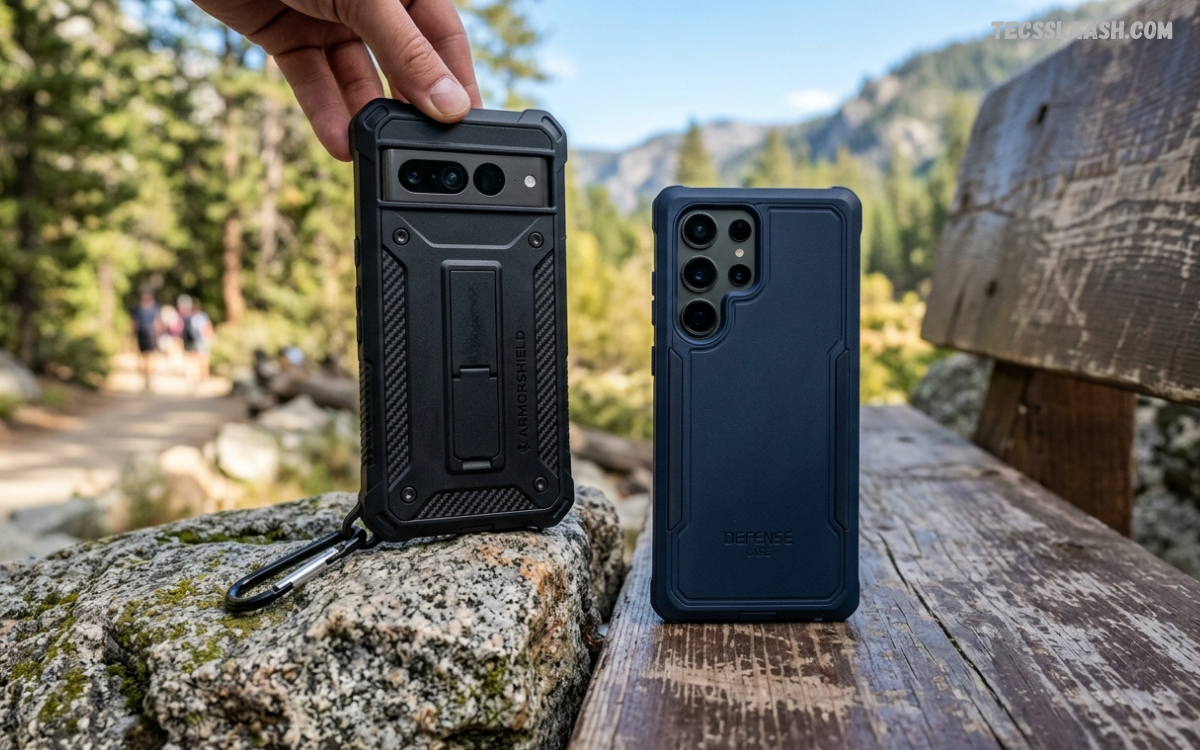
Choosing the right phone case is an important step toward protecting a smartphone from everyday damage. Modern phones are powerful, expensive devices that can easily suffer scratches, cracks, dents, or other damage when dropped or handled carelessly.
A quality case should offer more than a strong appearance. It should combine reliable materials, precise fitting, comfortable handling, and protection around vulnerable areas such as the screen, corners, camera, and buttons.
What Are Durable Phone Cases?
Durable phone cases are protective covers designed to withstand regular use, accidental drops, scratches, pressure, and other common forms of physical impact. They are generally made from materials such as TPU, polycarbonate, silicone, reinforced plastic, or combinations of multiple materials.
Unlike basic decorative covers, durable phone cases focus heavily on protection and long-term performance. Many designs use reinforced corners, raised edges, shock-absorbing layers, and strong outer shells to protect important parts of a smartphone.
Why Phone Protection Matters
Smartphones are frequently exposed to situations that can cause accidental damage. A phone may slip from a desk, fall from a pocket, hit a hard surface, or become scratched while sharing space with keys and other objects. A reliable case can help reduce the effect of these everyday accidents and provide additional confidence during normal use.
Replacing a damaged smartphone can be expensive, especially when the device contains important photographs, documents, applications, and personal information. Durable phone cases can help protect the physical device and potentially reduce repair costs caused by everyday accidents.
Key Features of a Durable Phone Case
A strong phone case usually includes several protective features that work together. Reinforced corners can absorb impact during drops, while raised bezels can help keep the screen and camera from directly touching flat surfaces.
Another important feature is accurate construction around the phone’s controls and ports. Buttons should remain easy to press, charging ports should remain accessible, and speakers should not be unnecessarily blocked. A durable case should protect without making basic smartphone functions difficult or uncomfortable.
Best Materials for Phone Cases
TPU is one of the most popular materials used in protective phone cases because it offers flexibility and impact resistance. It can absorb some force during accidental drops while remaining relatively lightweight. TPU cases are also available in many designs, making them suitable for users who want a balance between protection and convenience.
Polycarbonate is another common material used for protective cases. It is a hard plastic that can provide a strong outer layer against scratches and impacts. Some manufacturers combine polycarbonate with TPU to create dual-layer designs, using flexible material for shock absorption and harder material for structural support.
Dual-Layer Phone Case Protection
Dual-layer cases combine two different protective materials to create a more comprehensive design. A flexible inner layer can help absorb impact, while a rigid outer shell can provide structural strength and resistance against scratches.
The main advantage of dual-layer construction is the combination of flexibility and strength. Instead of relying on one material to handle every type of impact, each layer can perform a different protective function.
Shock-Absorbing Phone Cases
Shock absorption is an important consideration when selecting a protective case. Materials with flexible properties can help distribute impact energy instead of allowing the entire force to reach the phone directly. Reinforced corners are particularly useful because corners often receive significant force during accidental drops.
A shock-absorbing design does not make a smartphone indestructible. However, it can provide an additional protective barrier between the phone and the surface it contacts. For users who frequently carry their phones outdoors, travel regularly, or use their devices in active environments, impact-focused protection can be especially useful.
Raised Edges for Screen Protection
A raised bezel around the display can help prevent direct contact between the screen and a flat surface. When a phone is placed face down, the slightly elevated edge may keep the display away from tables, desks, and other surfaces.
Camera protection is equally important because modern smartphones often have large camera modules that extend from the rear panel. A case with a raised camera surround can provide additional separation between the lenses and surfaces.
Corner Protection
The corners of a smartphone can be particularly vulnerable during accidental drops. Protective cases often use thicker or reinforced corner sections to help manage impact in these areas. Some designs incorporate specialized structures that increase material thickness around the corners without making the entire case equally bulky.
Strong corner protection can be especially useful for people who frequently carry their phones in pockets, backpacks, or bags. Accidental falls can happen during everyday activities, and reinforced corners provide another layer of defense.
Slim Versus Rugged Phone Cases
Slim cases are designed to provide basic protection while maintaining the original shape and portability of a smartphone. They are generally easier to place inside pockets and bags and may provide enough protection for users who mainly want resistance against scratches and minor impacts. Their lightweight construction also preserves the phone’s comfortable feel.
Rugged cases focus more heavily on impact resistance and long-term durability. They may include thicker materials, reinforced corners, textured surfaces, and multiple protective layers. Although rugged models can provide stronger protection, they may add noticeable weight and thickness, making them less suitable for users who prefer a minimal design.
How to Choose the Right Case
The best phone case depends on how and where the smartphone is used. Someone who mainly uses a phone at home or in an office may prefer a slim protective model, while someone who spends considerable time outdoors may benefit from stronger impact protection.
Users should also consider phone model compatibility, material quality, grip, button responsiveness, camera clearance, and charging-port access. A case that looks strong but fits poorly may not provide reliable protection.
Durable Phone Cases for Everyday Use
Everyday phone protection does not always require the largest or thickest case available. A well-designed case can provide practical protection while remaining comfortable for regular handling. Features such as raised edges, reinforced corners, flexible construction, and a textured surface can make a significant difference during normal use.
A durable everyday case should also be easy to clean and comfortable to hold. Smooth surfaces can become slippery, while extremely textured materials may feel uncomfortable after extended use. Finding a balance between grip, protection, appearance, and convenience can create a better experience for daily smartphone users.
Phone Cases for Outdoor Activities
Outdoor environments can expose smartphones to more challenging conditions than typical indoor use. Phones may be exposed to accidental drops, rough surfaces, dust, moisture, and frequent handling. A protective case with reinforced construction can provide additional support for users who regularly carry their devices during outdoor activities.
For outdoor use, users should pay particular attention to grip and edge protection. A case with a textured exterior may be easier to hold securely, while reinforced corners can provide additional impact resistance. If exposure to water or dust is a concern, users should also check the case’s specific protection claims rather than assuming every rugged case is waterproof.
Water-Resistant and Protective Cases
Some protective phone cases are designed with features that help reduce exposure to moisture. However, water resistance varies considerably between products, and users should carefully review the manufacturer’s specifications.
Users who regularly encounter rain, splashes, or humid environments should select protection based on their actual needs. A case with appropriate sealing can provide additional protection when supported by reliable specifications.
Grip and Handling
A protective case should make a smartphone easier and safer to handle. Slippery surfaces can increase the chance of accidental drops, while textured materials can provide additional friction between the hand and the phone. Many durable phone cases therefore use textured sides or patterned surfaces to improve everyday grip.
Comfort should remain part of the decision-making process. A case can be extremely strong but still unpleasant to use if it has sharp edges, excessive thickness, or an uncomfortable texture. The ideal design provides reliable protection while allowing users to hold, type, photograph, and operate the phone naturally.
Wireless Charging Compatibility
Wireless charging has become a common feature on many modern smartphones. A case should therefore be checked for charging compatibility before purchase, particularly if it uses multiple protective layers or additional accessories.
A well-designed case should provide enough protection without unnecessarily interfering with everyday charging. Users should verify compatibility with their specific wireless charging system rather than relying only on general product descriptions.
Camera Protection
Smartphone cameras are among the most important and expensive components to protect. Modern camera modules can extend beyond the rear surface, making the lenses more exposed to scratches and direct contact. A case with a raised camera frame can help create a protective barrier around the camera area.
Camera protection should not interfere with photography. The case opening should align accurately with the lenses, flash, microphone, and other sensors. Poorly designed openings can cause unwanted obstructions or reduce convenience.
Button and Port Accessibility
A good protective case should preserve access to essential phone functions. Power and volume buttons should remain responsive, while charging ports and speakers should have properly aligned openings. Poor construction around these areas can make everyday operation frustrating even when the case provides strong physical protection.
Some high-quality cases use covered buttons that transfer pressure effectively while protecting the controls from dust and minor impacts. Others use precise cutouts that leave the original buttons exposed. Both designs can work well when manufactured accurately, so users should prioritize fit and responsiveness rather than one specific style.
Read Also: Protective Phone Cases: A Complete Guide to Choosing the Right Case
Durability and Long-Term Use
Durability is not simply about surviving one major drop. A genuinely useful case should maintain its protective properties through months of regular handling. Materials should resist excessive cracking, deformation, peeling, and deterioration caused by everyday use.
Regular cleaning can also help maintain a case’s appearance and grip. Dust and oils from hands can accumulate on protective materials over time. Following the manufacturer’s cleaning recommendations helps prevent unnecessary material damage.
Transparent Durable Phone Cases
Transparent cases allow users to display the original color and design of their smartphones while adding protective coverage. They can be a practical option for users who want a balance between appearance and protection. Many transparent designs use flexible materials that fit closely around the device.
One consideration with transparent materials is long-term appearance. Some materials may become discolored or develop a different appearance over extended use, depending on construction and exposure. Users who prioritize a consistently clear appearance should consider the material specifications and care recommendations before making a purchase.
Stylish Protective Phone Cases
Protection does not require sacrificing personal style. Modern durable phone cases are available in many colors, textures, finishes, and designs. Users can choose minimalist covers, textured models, transparent cases, patterned options, or rugged designs while still prioritizing practical protection.
The best choice combines appearance with useful protective features. A visually attractive case may not provide adequate protection if it lacks reinforced corners or raised edges. Similarly, an extremely rugged design may not suit someone who values a lightweight appearance. Comparing both style and functionality creates a more balanced purchase.
Common Mistakes When Buying a Phone Case
One common mistake is choosing a case based only on appearance. A case may look attractive but provide limited protection around the corners, camera, or screen. Buyers should examine construction details, material type, edge height, and phone compatibility instead of relying entirely on photographs or visual style.
Another mistake is assuming that thicker automatically means better. Excessive thickness can add unnecessary weight and make a phone difficult to handle. Protection should be appropriate for the user’s lifestyle rather than based solely on size.
How to Maintain a Phone Case
Regular maintenance can help keep a protective case in good condition. Removing the case occasionally allows users to clean dust and debris that may collect between the case and smartphone. This is particularly important because trapped particles can sometimes contribute to scratches on the phone’s exterior.
Cleaning methods should follow the case manufacturer’s recommendations. In general, users should avoid harsh chemicals unless the manufacturer specifically approves them. A soft cloth and suitable cleaning method can often remove everyday dirt without damaging the material. Careful maintenance helps preserve both appearance and functionality.
Are Expensive Phone Cases Better?
Price alone does not determine whether a phone case is durable. Some affordable cases can provide useful everyday protection, while expensive models may include additional materials, specialized construction, or premium finishes.
Important factors include material quality, structural design, precise fitting, corner protection, raised edges, grip, and long-term durability. Reviews and manufacturer specifications can help users evaluate these features.
How to Find Durable Phone Cases Online
When shopping online, begin by confirming the exact smartphone model and version. Similar phone models can have different dimensions, camera layouts, or button positions, so selecting the wrong version can result in poor protection.
It is also useful to examine material information, protective features, customer feedback, and product photographs. Reviews can reveal practical details about grip, fit, thickness, and long-term performance that may not appear in product descriptions.
Frequently Asked Questions
What makes a phone case durable?
A durable phone case generally uses strong or shock-absorbing materials, reinforced corners, raised edges, and precise construction. These features work together to provide better resistance against common impacts, scratches, and everyday wear.
Are rugged phone cases better than slim cases?
Rugged cases generally provide stronger impact protection, while slim cases prioritize portability and a lightweight design. The better option depends on the user’s lifestyle, handling habits, and preferred balance between protection and convenience.
Which material is best for a durable phone case?
TPU and polycarbonate are popular choices because they provide different protective benefits. TPU offers flexibility and shock absorption, while polycarbonate provides a harder structural layer. Many protective cases combine both materials.
Do durable phone cases protect screens?
Cases with raised bezels can help keep the display from directly contacting flat surfaces. However, a case does not provide complete screen protection, so users may consider additional display protection when appropriate.
Can a durable case protect a phone camera?
A case with a raised camera surround can help reduce direct contact between camera lenses and surfaces. Proper camera alignment is important because poorly designed openings can interfere with photography.
Do thick phone cases affect wireless charging?
Some thick or multi-layer cases can affect wireless charging depending on the phone and charger. Users should check whether the specific case supports their charging system before purchasing.
How often should a phone case be replaced?
Replacement depends on the condition of the case. Visible cracks, severe deformation, weakened corners, or damaged protective sections can indicate that it is time for a new case.
Are transparent cases durable?
Many transparent cases can provide good everyday protection, especially when constructed from flexible or reinforced materials. Their long-term appearance depends on material quality, usage, and exposure to environmental conditions.
How can I choose the right phone case?
Start by confirming the exact phone model, then compare material, corner protection, raised edges, grip, thickness, camera protection, button access, and charging compatibility. Choose features that match your daily usage.
Are durable phone cases worth buying?
For most smartphone users, a protective case can be a practical investment because it adds a layer of physical protection against common accidents. The best value comes from selecting a case that matches the phone, lifestyle, and required protection level.
Conclusion
Durable phone cases provide a practical way to add another layer of protection to modern smartphones. The best designs combine impact resistance, reinforced corners, raised edges, reliable materials, comfortable grip, and accurate phone compatibility.
A strong case should also remain convenient for everyday activities such as charging, photography, typing, and carrying. Instead of selecting a case based only on thickness or appearance, consider its materials, construction, protective features, and long-term usability.

