


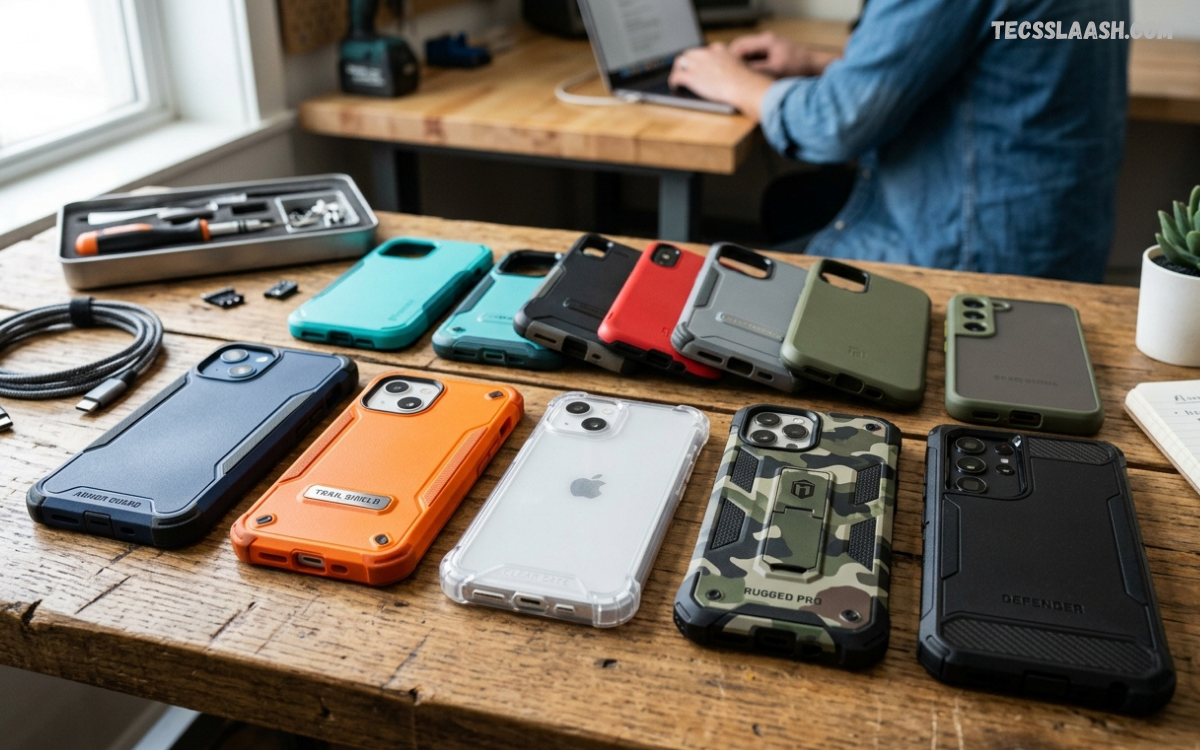
A smartphone is an important part of everyday life, used for communication, photography, entertainment, work, banking, navigation, and countless other activities. Because phones are carried frequently, they can easily face scratches, drops, dust, and accidental impacts.
Choosing the right case involves more than selecting an attractive design. Material quality, shock absorption, grip, camera protection, screen protection, wireless charging compatibility, and overall durability can affect the experience.
Why Protective Phone Cases Matter
Modern smartphones often feature premium glass panels, slim frames, advanced cameras, and large displays. These features improve the appearance and functionality of a device but can also make accidental drops expensive to repair. Protective phone cases create a protective layer around vulnerable areas and help reduce the effect of everyday impacts.
A good case can also protect a phone from scratches caused by keys, coins, rough surfaces, and other objects inside a bag or pocket. While no case can guarantee complete protection from every type of accident, a properly designed case can provide valuable additional defense during normal daily use.
Key Benefits of Protective Phone Cases
One of the biggest benefits of protective phone cases is impact resistance. Many cases use flexible materials, reinforced corners, raised edges, or multiple protective layers to help absorb and distribute impact energy. These features can reduce the chance of direct contact between the phone and the ground during an accidental fall.
Protection is not limited to drops. A quality case can help prevent surface scratches, minor bumps, dust exposure, and wear around the edges of a smartphone. Some designs also include raised camera and display bezels, helping keep these sensitive components away from flat surfaces when the phone is placed down.
Types of Protective Phone Cases
Protective phone cases are available in many designs, allowing users to select protection based on their lifestyle. Slim cases focus on maintaining the original feel of a smartphone, while rugged cases prioritize stronger impact resistance. Hybrid cases combine different materials to create a balance between protection, appearance, and usability.
Other popular options include wallet cases, bumper cases, clear cases, leather-style cases, waterproof cases, and cases with built-in stands. Each design has different advantages. Understanding these differences makes it easier to select a case that provides suitable protection without adding features that are unnecessary for everyday use.
Silicone Phone Cases
Silicone cases are popular because they are flexible, lightweight, and comfortable to hold. Their soft surface can provide additional grip, making a phone less likely to slide from a hand or smooth surface. Silicone can also absorb some impact during minor accidental drops.
These cases are available in many colors and styles, making them suitable for users who want practical protection with a simple appearance. However, silicone cases can attract dust and lint depending on their surface finish, so regular cleaning may be useful for maintaining a neat appearance.
TPU Phone Cases
Thermoplastic polyurethane, commonly called TPU, is widely used in smartphone case manufacturing. TPU offers a useful combination of flexibility, durability, grip, and impact resistance. Its flexible structure allows manufacturers to create cases that fit tightly around different phone shapes.
TPU cases are often suitable for everyday users who want protection without the weight associated with some heavy-duty designs. Many hybrid cases also use TPU around the edges because the material can help absorb impacts while maintaining a relatively slim profile.
Polycarbonate Phone Cases
Polycarbonate is a hard plastic material frequently used in smartphone accessories. It provides rigidity and can help protect the rear panel of a phone from scratches and everyday contact with hard surfaces. Polycarbonate is also useful for creating slim cases with precise openings for ports, cameras, and buttons.
Hard-shell cases can provide a clean and lightweight appearance, but they may not offer the same flexibility as softer materials. For stronger protection, manufacturers often combine polycarbonate with TPU or another impact-absorbing material to create a multi-layer design.
Rugged Phone Cases
Rugged cases are designed for users who regularly expose their phones to challenging environments. They commonly feature reinforced corners, thick edges, textured grips, and multiple layers of protective material. Some models are designed to meet specific drop-testing standards.
These cases can be useful for outdoor activities, travel, construction environments, sports, and other situations where accidental drops are more likely. The main trade-off is size and weight, as stronger protection generally requires additional material around the device.
Slim Protective Phone Cases
Slim cases are designed for users who want protection while preserving the original shape and portability of a smartphone. Their lightweight construction makes them easy to carry and can help maintain compatibility with pockets, bags, wireless chargers, and other accessories.
Although slim cases may not provide the same level of protection as rugged models, many modern designs include raised edges and reinforced corners. For users who primarily want protection from scratches, minor bumps, and occasional drops, a slim case can be a practical choice.
Clear Protective Phone Cases
Clear cases allow users to display the original color and design of their smartphones while adding an additional protective layer. They are especially popular among people who prefer a minimalist appearance but still want protection against everyday scratches and impacts.
Clear cases are available in flexible and rigid materials, with some combining both. When choosing a transparent case, users should consider resistance to yellowing, surface scratches, grip, and overall durability. A high-quality transparent material can help maintain a cleaner appearance for longer.
Camera Protection
Smartphone cameras are among the most valuable and delicate components on modern devices. Camera modules can extend from the rear surface, making them vulnerable to scratches when a phone is placed on a table or another hard surface. A case with a raised camera edge can provide additional separation from the surface.
Some protective phone cases include dedicated camera covers or reinforced sections around individual lenses. These designs can be useful for people who frequently place their phones on rough surfaces. However, the camera area should remain unobstructed so image quality and flash performance are not affected.
Screen Edge Protection
A protective case can also help protect the front display by extending slightly above the screen. This raised lip creates a small buffer between the display and a flat surface when the phone is placed face down. It can also help reduce contact with objects inside pockets or bags.
Screen-edge protection works best when combined with a suitable screen protector. The case and protector should be compatible because an overly tight case can sometimes lift a poorly fitted protector. Checking compatibility before purchasing accessories can prevent installation and usability problems.
Shock Absorption Technology
Impact absorption is an important feature when evaluating protective phone cases. During a drop, the case material and structural design can help distribute some of the force rather than allowing the impact to concentrate on one vulnerable point. Reinforced corners are particularly important because corners often experience significant impact.
Some cases use multiple materials to improve impact management. A softer inner layer can cushion the device, while a harder exterior can resist scratches and provide structural support. This combination can offer stronger everyday protection than a single-material design.
Grip and Handling
A case should not only protect a smartphone after it falls; it should also help reduce the chance of dropping the phone in the first place. Textured sides, non-slip finishes, and contoured edges can provide a more secure grip during everyday use. This can be especially helpful when using a large smartphone with one hand.
Grip preferences vary from person to person. Some users prefer smooth materials that slide easily into pockets, while others prefer textured surfaces that provide greater friction. The ideal balance depends on how the phone is carried and used throughout the day.
Wireless Charging Compatibility
Wireless charging has become a convenient feature on many smartphones. However, extremely thick cases, metal components, or poorly positioned accessories can interfere with charging performance. Users who rely on wireless charging should verify that a protective case supports the charging system used by their device.
Magnetic accessories also require careful consideration. Some cases are specifically designed with magnetic components that support compatible chargers and accessories. Checking the phone model and accessory requirements before purchasing can help avoid charging or alignment issues.
MagSafe-Compatible Cases
Certain smartphones support magnetic accessory systems that allow compatible chargers, stands, wallets, and other accessories to attach to the rear of the device. Cases designed for these systems include appropriately positioned magnetic components while maintaining phone protection.
If magnetic accessories are part of your daily setup, selecting a compatible case can provide a smoother experience. A properly designed case should maintain secure attachment while still protecting the phone around its corners, sides, rear panel, and camera area.
Waterproof and Water-Resistant Cases
Water exposure can cause serious problems for electronic devices, particularly when a phone is used near pools, beaches, rain, or other wet environments. Waterproof-style cases are designed to provide an additional barrier against moisture, although their level of protection depends on the specific product and its rating.
Users should check the manufacturer’s water-resistance claims rather than assuming every sealed-looking case provides the same protection. Ports, buttons, seams, and openings require careful attention. Following the case manufacturer’s instructions is also important for maintaining its protective performance.
Wallet Phone Cases
Wallet cases combine smartphone protection with storage for items such as cards or identification. Their folding design can cover both the rear and display areas when closed, providing an additional layer of protection during transport.
The extra storage can make a wallet case convenient for everyday use, especially for people who prefer carrying fewer separate items. However, wallet cases can be thicker than standard designs. Users should consider pocket space, handling comfort, and wireless charging compatibility before choosing this style.
Factors to Consider Before Buying
The first factor to consider is the level of protection required. Someone who mainly uses a phone at home may prefer a slim case, while a person who works outdoors may benefit from a rugged design. Matching case strength to daily activities prevents unnecessary bulk while still providing useful protection.
Phone model compatibility is equally important. Cases are specifically shaped for individual devices, and even phones with similar dimensions may have different camera layouts, button positions, or port locations. Always verify the exact model before purchasing to ensure a secure fit and correct access to every feature.
Read Also: Mobile Phone Cases: Complete Guide to Choosing the Right Protection
Case Thickness and Weight
Thicker cases generally provide more room for protective structures, but they can make a smartphone heavier and less comfortable to carry. A bulky case may also make it harder to use certain stands, mounts, pockets, or charging accessories. Protection should therefore be balanced with everyday convenience.
Slimmer designs are easier to carry and can preserve more of the phone’s original feel. However, extremely thin cases may provide limited impact protection. A balanced case with reinforced corners and raised edges can provide a practical middle ground for many users.
Button and Port Accessibility
A well-designed case should provide precise access to charging ports, speakers, microphones, and buttons. Poorly positioned openings can make accessories difficult to connect or reduce the comfort of pressing physical controls. Accurate manufacturing is therefore an important sign of a quality case.
Covered buttons can also be beneficial when the case uses responsive button covers. These covers can protect controls from dust and minor impacts while maintaining normal functionality. Before buying, users should check reviews or product specifications for information about button responsiveness and port compatibility.
Cleaning and Maintaining a Phone Case
Regular cleaning helps maintain both the appearance and performance of a phone case. Dust, oils, and debris can accumulate between the case and smartphone, potentially causing surface marks over time. Removing the case periodically and cleaning both surfaces can help keep the device in better condition.
Cleaning methods depend on the case material. Many silicone and TPU cases can be cleaned with mild soap and water, while specialized materials may require different care. Users should follow manufacturer recommendations and allow the case to dry completely before putting it back on the phone.
When Should You Replace a Phone Case?
A case should be inspected regularly for cracks, stretched edges, damaged corners, loose sections, or other signs of deterioration. A damaged case may no longer fit securely around the smartphone, reducing its ability to provide the intended protection.
Replacement may also be appropriate when a phone is upgraded to a different model. Even if the dimensions appear similar, differences in cameras, buttons, ports, and wireless charging systems can prevent an older case from fitting correctly. A properly fitted case is essential for effective everyday protection.
Protective Phone Cases for Everyday Users
For normal daily use, a balanced case is often the most practical option. It should provide reliable corner protection, raised edges, good grip, and easy access to ports and buttons without becoming excessively thick. TPU, silicone, and hybrid materials are common choices for this purpose.
Everyday users can also consider design and personal style. A case is an accessory that remains visible whenever the phone is used, so appearance can matter alongside protection. Clear, minimalist, textured, colorful, and patterned options allow users to combine functionality with personal preference.
Protective Phone Cases for Travel
Travel can expose smartphones to additional risks, including crowded environments, packed luggage, accidental drops, and contact with other objects. A durable case with reinforced corners and raised edges can provide useful protection during transportation and daily sightseeing.
A travel-friendly case should also maintain easy access to charging ports and cameras. If wireless charging or magnetic accessories are used during a trip, compatibility should be checked before departure. Choosing one reliable case can make smartphone protection simpler throughout the journey.
Common Mistakes When Choosing a Phone Case
One common mistake is selecting a case based only on appearance. An attractive design may not provide sufficient corner reinforcement, camera protection, grip, or raised edges. Users should examine the construction and protective features rather than relying entirely on photographs or color options.
Another mistake is buying a case for the wrong phone model. Smartphone names can sometimes include several generations or variants with similar dimensions. Checking the exact model number and camera arrangement helps ensure that the case fits correctly and provides access to all necessary functions.
How to Choose the Best Protective Phone Cases
Start by identifying the main risks your phone faces. If scratches are the primary concern, a slim case may be enough. If frequent drops are a concern, look for reinforced corners, impact-absorbing materials, and raised edges around the display and camera.
Next, consider comfort and accessory compatibility. The best protective phone cases should fit securely without making normal phone use frustrating. Check wireless charging support, magnetic compatibility, button access, grip, thickness, and overall construction before making a final decision.
Frequently Asked Questions
Are protective phone cases worth buying?
Yes, protective phone cases can provide an additional layer between a smartphone and everyday hazards such as scratches, bumps, and accidental drops. The level of protection depends on the case design, materials, and construction.
What material is best for a protective phone case?
TPU, silicone, polycarbonate, and hybrid materials are commonly used for phone cases. Hybrid designs can combine flexibility and impact resistance, while the best choice ultimately depends on the desired balance between protection, weight, grip, and appearance.
Do protective cases prevent screen damage?
A case can help reduce screen damage by providing raised edges around the display, but it cannot guarantee that the screen will remain undamaged during every drop. A compatible screen protector can provide additional front-display protection.
Are rugged cases better than slim cases?
Rugged cases generally provide stronger impact protection but can add more weight and thickness. Slim cases are easier to carry and may be suitable for users who mainly need protection against scratches, minor bumps, and occasional accidents.
Can a phone case protect the camera?
Cases with raised camera surrounds can help reduce direct contact between camera lenses and surfaces. Some designs provide additional reinforcement around the camera module, offering extra protection against scratches and everyday impacts.
Do phone cases affect wireless charging?
Some cases can interfere with wireless charging, particularly designs that are very thick or contain unsuitable materials. Users who use wireless charging should choose a case specifically advertised as compatible with their charging system.
How often should a phone case be cleaned?
Cleaning frequency depends on how often the phone is used and the environment. Periodic cleaning can remove dust, oils, and debris that collect between the phone and case, helping maintain a cleaner device and accessory.
When should I replace my phone case?
Consider replacing a case when it becomes cracked, stretched, loose, or significantly damaged. A case that no longer fits securely may not provide the same level of protection as when it was new.
Can one case fit different phone models?
Cases are generally designed for specific phone models because camera layouts, dimensions, buttons, and ports can differ. Even phones with similar sizes may require different cases, so model compatibility should always be checked.
What makes a good protective phone case?
A good case should provide a secure fit, effective corner protection, raised edges, comfortable grip, durable materials, and easy access to buttons and ports. Compatibility with wireless charging and other accessories can also be important.
Conclusion
Protective phone cases are a simple and practical smartphone accessory that can help reduce damage from everyday accidents. From slim silicone designs to heavy-duty rugged models, different cases offer different levels of protection, comfort, style, and functionality.
The right choice depends on the phone model, lifestyle, environment, and personal preferences. A quality case should fit securely, protect vulnerable areas, provide comfortable handling, and remain compatible with important accessories.

